What Is a Robotic Coffee Bar and How Does It Work?
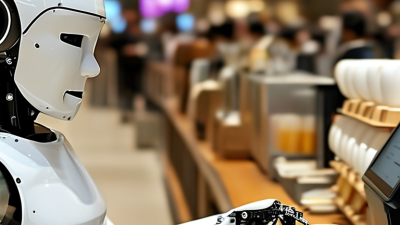
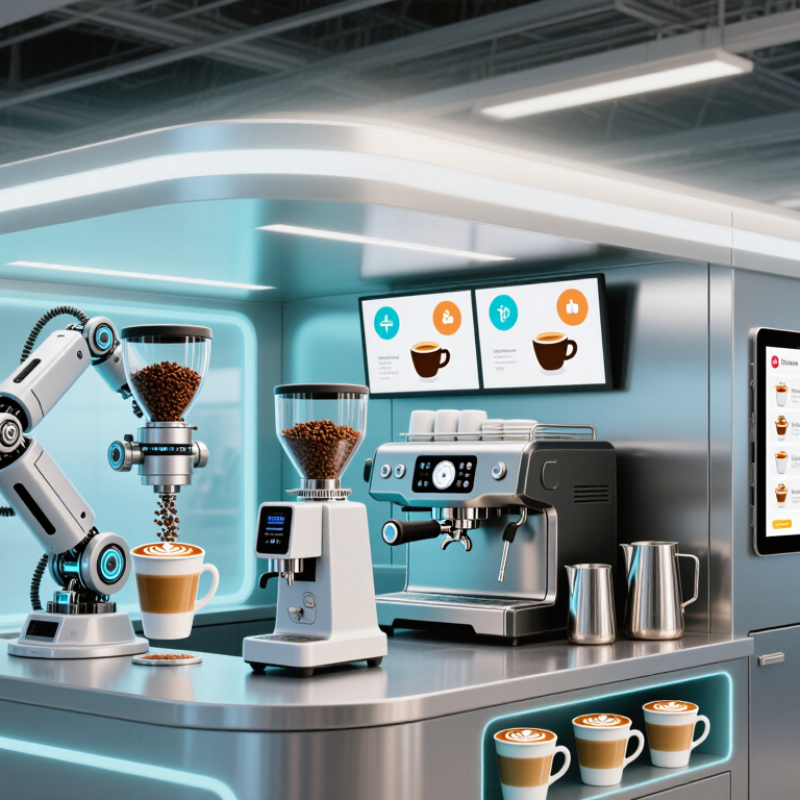
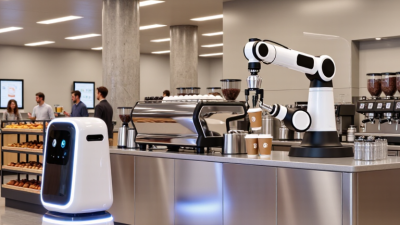
A Robotic Coffee Bar is a compact café system that combines robotic arms, automated brewing equipment, digital ordering, and cashless payment. Customers select a drink on a touchscreen or mobile app. The machine then grinds measured beans, heats water, steams milk, and places the finished cup in a collection bay. Some models can prepare a latte in less than two minutes. The scene feels futuristic, but the workflow is surprisingly practical.
Market data explains the interest. The National Coffee Association’s 2024 National Coffee Data Trends report found that 67% of American adults had consumed coffee during the previous day. Demand remains strong, while cafés continue facing labor, speed, and consistency pressures. The International Federation of Robotics reported more than 205,000 professional service robots sold globally in 2023. Food-service automation is still a small part of that market, but the direction is clear. World Coffee Portal’s Project Café USA 2024 also identifies technology and operational efficiency as important themes in modern coffee retail.
Henry Hu, founder of Café X, described the company’s purpose this way: “We’re not trying to replace baristas; we’re trying to make coffee more convenient.” That distinction matters. A Robotic Coffee Bar can repeat recipes accurately, record each transaction, and operate in airports, offices, or hospitals with limited space. It cannot fully reproduce human hospitality. Not yet.
Cleaning remains critical. Milk residue, grinder calibration, software faults, and awkward customer interactions can expose weaknesses quickly. The technology is impressive, but not perfect. This article examines how a Robotic Coffee Bar works, where it creates value, and why human oversight still matters.
Definition and Core Components of a Robotic Coffee Bar
A robotic coffee bar is an automated beverage station that stores ingredients, prepares drinks, and manages orders with limited human intervention. It is not simply a robot arm beside an espresso machine. The system combines software, sensors, pumps, grinders, heating units, refrigeration, and cleaning controls. The National Coffee Association’s Fall 2024 National Coffee Data Trends report found that 67% of American adults drank coffee the previous day. That demand helps explain interest in consistent, compact service formats.
Its core components usually include an ordering interface, ingredient modules, a robotic actuator, and a beverage-control system. The interface receives drink preferences and payment information. Sensors check cup position, liquid volume, temperature, and machine status. A grinder doses beans, while an espresso module controls pressure and extraction time. Pumps move milk or water through measured pathways. The actuator places cups, adds ingredients, and transfers drinks to the pickup area. International Federation of Robotics data reported 541,302 industrial robot installations worldwide in 2023, showing the wider automation infrastructure behind such systems. Still, coffee service is less predictable than factory assembly. Milk foam changes, grinders drift, and cleaning routines can interrupt production. A poorly calibrated sensor may create a neat-looking but weak drink. Human inspection remains useful, especially for sanitation, maintenance, and unusual orders. Efficiency is possible, but it is not automatic.
How Customers Place Orders and Customize Their Drinks
A robotic coffee bar lets customers build drinks through a touchscreen, mobile page, or counter kiosk. The screen displays cup sizes, milk options, syrups, temperature, ice, and extra shots. Customers can review allergens and prices before paying. Small choices matter. The National Coffee Association’s Spring 2024 report found that 67% of American adults drank coffee the previous day. That demand creates pressure for faster, more consistent service.
After payment, the system sends a digital recipe to the machine. A dispenser measures coffee, milk, flavoring, and ice according to the selected settings. Robotic arms may move the cup between brewing, mixing, sealing, and pickup areas. Customers usually receive an order number or screen notification. Staff still monitor ingredients, cleaning, payment issues, and unusual errors. Automation does not remove responsibility.
Customization feels simple, but the process is not perfect. A drink may taste different when milk temperature, grind size, or syrup timing changes. McKinsey’s 2021 personalization research reported that 71% of consumers expect personalized interactions. A robotic bar answers that expectation with repeatable digital recipes. Yet customers may need clear guidance when choices become confusing. A visible “less sweet” option could be more useful than ten hidden settings. Hands-on testing remains important, especially during busy periods when queues expose weak interface design.
| Workflow Stage | Customer Action | Automated System Response | Typical Details |
|---|---|---|---|
| 1. Menu Access | The customer opens a digital menu on a touchscreen, kiosk, mobile interface, or self-service terminal. | The ordering interface displays available beverages, sizes, ingredients, prices, allergen information, and customization options. | Menus commonly include espresso-based drinks, brewed coffee, tea, chilled beverages, and simple food items. |
| 2. Beverage Selection | The customer chooses a drink category and selects a specific beverage. | The system assigns a recipe and checks whether the required ingredients and equipment are available. | A recipe may specify coffee dose, water volume, milk quantity, temperature, and dispensing order. |
| 3. Size Selection | The customer selects a cup size offered by the station. | The control software adjusts liquid volumes, ingredient ratios, cup placement, and dispensing commands. | Larger servings generally require more water, milk, or ice while maintaining the selected recipe proportions. |
| 4. Milk and Dairy Choice | The customer chooses dairy milk or an available plant-based alternative and may select a milk quantity. | The system routes the selected liquid through the appropriate dispenser and applies the programmed volume. | Availability depends on the machine configuration, storage capacity, refrigeration, and cleaning requirements. |
| 5. Strength and Flavor Customization | The customer adjusts options such as espresso shots, sweetness, flavored syrup, or decaffeinated coffee when available. | The recipe engine recalculates ingredient quantities and sends updated instructions to the dispensing modules. | Customization is limited to ingredients that are installed, stocked, and supported by the station's software. |
| 6. Temperature and Ice Options | The customer selects a hot, iced, or chilled preparation and may choose an ice level. | The system changes the preparation sequence, such as adding ice, chilling the drink, or dispensing hot liquid into a suitable cup. | Hot beverage systems require temperature controls, while iced systems require ice storage or a connected ice dispenser. |
| 7. Order Review | The customer reviews the drink name, size, ingredients, modifiers, price, and allergen notice before confirming. | The system validates the order and identifies conflicts, unavailable ingredients, or required substitutions. | A review screen helps reduce errors caused by incorrect size, milk, sweetener, or temperature selections. |
| 8. Payment | The customer pays using an accepted digital payment method or another supported payment option. | The payment service authorizes the transaction and releases the order to the beverage preparation queue. | The exact payment methods vary by location and may include contactless cards, mobile wallets, or online payment. |
| 9. Cup and Ingredient Preparation | The customer waits while the order is prepared. | The station identifies the correct cup, dispenses ingredients, and coordinates pumps, valves, grinders, brewers, heaters, and mixers. | Sensors can help detect cup placement, ingredient levels, door position, temperature, and equipment status. |
| 10. Coffee Extraction or Brewing | No additional action is normally required unless the system requests confirmation or reports a problem. | The machine brews coffee or extracts espresso according to programmed time, volume, pressure, and temperature parameters. | The method depends on the equipment design and may use pre-ground coffee, freshly ground beans, or a combination of both. |
| 11. Mixing and Finishing | The customer waits for final assembly of the beverage. | Milk, water, syrups, sweeteners, foam, toppings, or ice are added in the programmed sequence. | The finishing sequence is recipe-dependent and can be modified when the customer changes drink preferences. |
| 12. Pickup Notification | The customer follows the order number, screen message, light signal, or notification to the collection area. | The system marks the order as ready and displays or communicates the corresponding pickup identifier. | Some stations use a dedicated pickup shelf or enclosed collection window to separate ordering from retrieval. |
| 13. Quality and Safety Checks | The customer checks the label or screen details and collects the completed drink. | Software and hardware checks may pause production if a cup is missing, an ingredient is empty, or a temperature is outside the configured range. | Automated checks support consistency, but staff may still be needed for inspection, replenishment, cleaning, and service recovery. |
| 14. Cleaning and Maintenance | No direct action is usually required, although customers may report spills or equipment issues. | The system can record usage, issue cleaning reminders, monitor consumables, and restrict functions when maintenance is required. | Human oversight remains important for sanitation, waste removal, ingredient replenishment, calibration, and equipment maintenance. |
How Robotic Systems Prepare and Serve Coffee
A robotic coffee bar combines sensors, software, grinders, brewers, and serving mechanisms in one compact station. Its main task is simple: prepare a repeatable drink with limited human handling. After a customer selects a recipe, the system checks cup position, ingredient levels, and equipment status. An integrated grinder measures beans for each order. The brewer then controls water temperature, pressure, and contact time. Small digital scales can verify the dose and liquid output. A short pause matters. It helps prevent rushed extraction.
Milk-based drinks require more coordinated movement. The machine places a cup beneath a dispensing nozzle, adds espresso, and introduces heated milk or an alternative mixture. Some systems create foam by controlling air, temperature, and pouring speed. A robotic arm may move the cup between stations. It can also add a lid and place the drink in a collection area. Sensors watch for spills, blocked nozzles, or an incorrectly positioned cup. These checks support safer and cleaner service.
Automation improves consistency, but it is not perfect. Bean age, humidity, and grinder wear can change extraction quality. Foam may also vary during busy periods. Staff still need to clean contact surfaces, refill ingredients, and recalibrate equipment. I would not treat a programmed recipe as a guarantee of excellent coffee. Human inspection remains valuable, especially when a drink tastes thin or unusually bitter. The best systems combine precise automation with practical oversight, rather than removing people from the process entirely.
Key Technologies Behind Automated Coffee Bars
What Is a Robotic Coffee Bar and How Does It Work?
Key Technologies Behind Automated Coffee Bars
A robotic coffee bar combines mechanical movement, software control, and carefully measured brewing. Customers place orders through a touchscreen or mobile interface. The system sends instructions to an industrial controller. A robotic arm then moves cups, activates the grinder, and positions each drink beneath the brewer. Timing matters. A few seconds can change extraction quality.
Sensors guide nearly every step. Weight sensors measure coffee and liquid portions. Temperature probes monitor water and milk. Machine vision checks cup position and detects spills or missing ingredients. Some systems use network connections to record equipment status and alert staff about low supplies. This data supports maintenance, but it is not automatically perfect. A dirty lens or unstable scale can create inaccurate results.
The brewing module usually includes a grinder, dosing unit, pump, and programmable brewer. Software adjusts variables such as grind size, water volume, pressure, and extraction time. Refrigerated milk systems may add controlled steaming or chilling functions. Sanitation technology is equally important. Automated rinsing cycles, sealed ingredient paths, and cleaning reminders help reduce contamination risks. However, human inspection remains necessary, especially around milk lines and waste containers. A robotic bar can repeat a recipe consistently, yet it cannot always understand unusual conditions. A technician still needs practical judgment when equipment behaves strangely.
Benefits, Limitations, and Common Applications
A robotic coffee bar combines automated dosing, grinding, brewing, payment, and cleaning systems. A customer selects a drink on a screen. The machine measures beans, tamps grounds, controls water temperature, and delivers the cup through a small service window. Sensors monitor ingredients and flag faults. Staff may refill supplies or handle maintenance remotely.
The benefits are practical. Robotic stations can produce consistent portions during busy periods. They also reduce repetitive pouring, lifting, and cleaning tasks. The International Federation of Robotics reported about 205,000 professional service robots sold worldwide in 2023. That growth suggests stronger acceptance of automation in customer-facing work. The National Coffee Association’s 2024 report found that 67% of Americans drank coffee the previous day. High demand makes compact stations useful in offices, hospitals, transport hubs, campuses, and hotels.
Limitations remain obvious. A robot cannot easily judge a changing queue or calm an unhappy customer. Milk texture, cup placement, and ingredient freshness can still cause errors. Power failures and software faults may stop every order at once. Equipment also requires sanitation checks, calibration, and trained support. A quiet machine is not automatically a better café. Some customers want conversation, customization, or visible human care. That expectation can be underestimated. Small operators may also find installation and maintenance costs difficult to justify, especially when daily volume is uncertain.
What Is a Robotic Coffee Bar and How Does It Work?
A robotic coffee bar combines automated ordering, ingredient dosing, brewing, milk preparation, and beverage handoff. The workflow below shows typical preparation-time ranges for common coffee-service tasks; actual times vary by recipe, equipment, and queue design.
Benefits
Automation can improve consistency, reduce repetitive manual work, support service during extended hours, and collect order data digitally.
Limitations
Robotic systems require maintenance, cleaning, ingredient replenishment, safety controls, and human support for exceptions or equipment faults.
Common Applications
Typical locations include offices, airports, hospitals, universities, hotels, transportation hubs, and other high-footfall environments.
Reference note: The chart uses practical preparation-time ranges commonly associated with espresso beverage workflows. It is an operational illustration rather than a universal performance guarantee.
Related Posts
-
10 Best Robot Cafe Solutions for Global Buyers
-
Revolutionizing Coffee Experience with Innovative Robot Coffee Kiosks for Global Buyers
-
China Best Robotic Coffee Bar Supplier and Manufacturer
-
7 Best Robot Cafe Solutions for Global Buyers in 2026
-
2026 Best Robot Coffee Vending Machine for Global Buyers?
-
Exploring the Unique Features and Applications of the Best Robotic Barista Coffee Machines: A How-to Guide