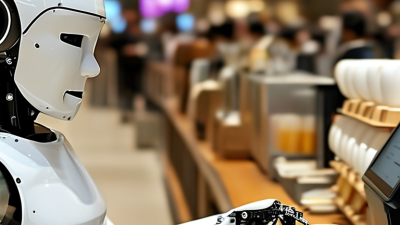
China Best Robotic Coffee Bar Supplier and Manufacturer
Choosing the China Best Robotic Coffee Bar Supplier and Manufacturer requires more than comparing prices or attractive product images. A dependable partner should combine engineering experience, beverage expertise, and consistent production control. The right Robotic Coffee Bar can grind beans, manage brewing, steam milk, and serve drinks with impressive accuracy. It should also create a clean, welcoming experience for customers.
Professional manufacturers understand the details behind reliable operation. They test brewing temperatures, cup placement, ingredient storage, cleaning cycles, and emergency stops. Stainless steel surfaces, food-grade components, and accessible maintenance points support daily hygiene. Clear software interfaces help staff monitor orders and adjust recipes. Custom branding, counter dimensions, payment systems, and menu settings can also support different business models.
Real experience matters. A supplier may provide factory visits, sample testing, installation guidance, operator training, and responsive after-sales support. Certifications and traceable quality procedures add confidence, but paperwork alone cannot replace practical testing. No supplier is perfect. Some demonstrations look smoother than real service environments. Buyers should examine peak-hour performance, cleaning time, spare-part availability, and technical response before making a decision. A reliable China-based manufacturer should communicate limits honestly, not promise effortless automation. With careful evaluation, businesses can select a Robotic Coffee Bar that fits their location, menu, budget, and long-term operating goals. That balance builds trust.
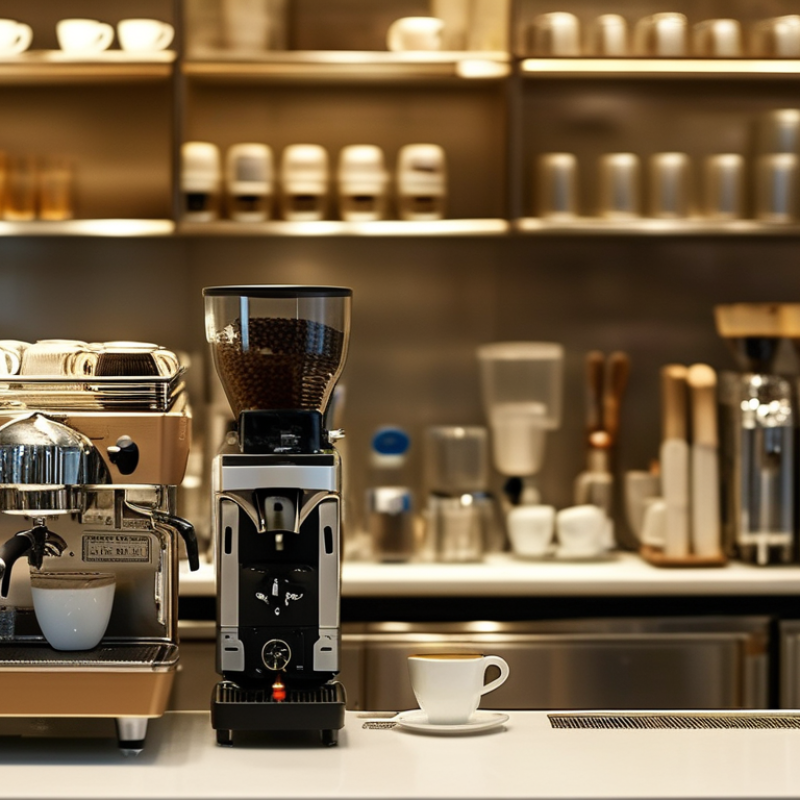
Robotic Coffee Bar: Definition and Core Features
China Best Robotic Coffee Bar Supplier and Manufacturer
Robotic Coffee Bar: Definition and Core Features
A robotic coffee bar is an automated beverage station that combines mechanical motion, software control, and professional brewing equipment. It can grind beans, measure ingredients, extract coffee, steam milk, and serve drinks with limited human intervention. Sensors monitor cup placement, liquid levels, temperature, and equipment status. This helps maintain repeatable results during busy periods.
It is not magic.
A well-designed system should offer a clear touch interface, adjustable recipes, automatic cleaning prompts, and remote performance monitoring. Its robotic arm also needs precise movement around grinders, brewers, cups, and waste containers. Reliable manufacturers test these movements repeatedly before delivery, including emergency stops and power recovery. From practical observation, smooth workflow matters more than impressive arm movement. Customers notice waiting time, drink temperature, and cleanliness first.
However, automation does not remove every operational challenge. Milk texture can change with ingredient temperature, and sensors may need regular calibration. Staff still require training for refilling materials, handling alerts, and completing sanitation checks. This point is easy to underestimate. A dependable robotic coffee bar should therefore combine durable components, transparent maintenance procedures, and responsive technical support. Its value comes from stable daily operation, not simply from looking futuristic.
China Best Robotic Coffee Bar Supplier and Manufacturer
Robotic Coffee Bar: Definition and Core Features
A robotic coffee bar integrates automated grinding, dosing, brewing, milk preparation, dispensing, and cleaning into one workflow. The chart shows representative operating times for common automated functions. Actual timing varies according to the recipe, equipment configuration, beverage size, and cleaning cycle.
How Robotic Coffee Bars Operate
China Best Robotic Coffee Bar Supplier and Manufacturer
A robotic coffee bar operates as a compact beverage workstation. Customers select drinks through a touch screen or ordering system. The controller checks ingredients, cup position, and machine status before brewing. Fresh beans move into a grinder, where dose and grind size can be adjusted. The brewer controls water temperature, pressure, and extraction time. Milk-based drinks use measured dispensing and controlled heating. It looks simple outside. Inside, timing matters.
Sensors detect empty cups, low ingredients, blocked outlets, and unusual temperatures. After each drink, automated rinsing helps reduce residue inside key components. Operators still need to refill supplies, inspect seals, and clean contact surfaces daily. Remote diagnostics can report faults, but they cannot replace careful maintenance. Small errors may affect taste. That is an important limitation.
For a professional supplier and manufacturer, reliable operation begins before installation. The system should support stable calibration, clear cleaning procedures, accessible spare parts, and practical staff training. A well-designed bar can handle repeated orders with consistent portion control. However, real locations differ in power supply, customer flow, and available space. Testing the equipment on site is wiser than trusting specifications alone. One weak setting can slow the whole service.
China Best Robotic Coffee Bar Supplier and Manufacturer - How Robotic Coffee Bars Operate
| Operating Stage | Core Equipment or Module | How It Operates | Key Technical Data | Quality and Safety Considerations |
|---|---|---|---|---|
| 1. Order Entry | Touchscreen kiosk, mobile ordering interface, or point-of-sale terminal | The customer selects a beverage, customizes options such as size or milk type, and completes payment before production begins. | Common payment options: card, contactless, QR-code, or mobile wallet | Payment systems should use encrypted communication and should not store unnecessary customer payment data. |
| 2. Order Scheduling | Control software and beverage workflow controller | The controller converts the selected recipe into a sequence of dispensing, brewing, heating, mixing, and presentation commands. | Typical control method: recipe-based sequencing with sensor feedback and fault monitoring | Each recipe should define ingredient limits, operating conditions, cleaning status, and equipment availability. |
| 3. Ingredient Verification | Ingredient containers, level sensors, barcode or inventory monitoring system | The system checks whether coffee, milk, water, cups, lids, and other consumables are available before starting the order. | Typical monitored conditions: container level, temperature, expiry date, and component availability | Perishable ingredients require temperature control and a documented first-in, first-out stock rotation process. |
| 4. Water Treatment | Water filter, pump, reservoir, or plumbed water connection | Water is filtered and delivered to the brewing system at a controlled pressure and flow rate. | Espresso brewing pressure is commonly targeted near 9 bar at the coffee puck | Filter replacement, water hardness control, leak detection, and backflow prevention are important for reliability and hygiene. |
| 5. Coffee Grinding | Burr grinder and dosing mechanism | Whole coffee beans are ground when required, and a measured dose is delivered to the brewing unit. | Adjustable variables: grind size, dose mass, and grinding time | Grinder calibration should be checked regularly because bean type, humidity, and wear can affect extraction consistency. |
| 6. Espresso Brewing | Automatic brew group, portafilter system, or compact espresso module | Hot water passes through the measured coffee dose to produce espresso, after which the used coffee grounds are removed or collected. | Common brewing water range: approximately 90–96°C; extraction time is recipe-dependent | The brew path should be designed for easy rinsing, residue removal, and routine inspection of seals and valves. |
| 7. Milk Preparation | Refrigerated milk module, milk pump, steam system, or automatic foaming unit | The system dispenses milk and may heat, aerate, or foam it according to the selected beverage recipe. | Common serving target for heated milk: approximately 55–65°C | Milk-contact parts require frequent cleaning and temperature monitoring to limit microbial growth and cross-contamination. |
| 8. Syrup and Ingredient Dispensing | Peristaltic pumps, dosing pumps, powder dispensers, or liquid ingredient valves | Flavorings, chocolate, sweeteners, or other recipe components are dispensed in programmed quantities. | Controlled variables: dose volume, pump duration, ingredient sequence, and container level | Food-contact tubing and nozzles should be compatible with the ingredients and removable for cleaning or replacement. |
| 9. Cup and Lid Handling | Cup dispenser, positioning platform, lid dispenser, and cup-presence sensor | The machine places or presents the correct cup, aligns it beneath the dispensing outlet, and applies or releases a lid when configured to do so. | Safety checks may include cup presence, cup position, lid availability, and spill detection | Mechanical contact with the drinking surface should be minimized, and disposable components should be stored in a clean, enclosed area. |
| 10. Robotic Transfer or Presentation | Robotic arm, linear actuator, conveyor, or automated pickup compartment | After preparation, the finished drink is transferred to a collection area or presented through an automated service window. | Typical control features: position sensors, collision detection, speed limits, and emergency stop circuits | The service zone should be physically separated from moving mechanisms and designed to prevent customer access during motion. |
| 11. Order Confirmation | Display screen, order number system, indicator light, or notification interface | The system confirms that the beverage is ready and links it to the correct order number or customer notification. | Status states commonly include: received, preparing, ready, collected, and faulted | Clear status messages reduce collection errors and allow staff to identify incomplete or interrupted orders. |
| 12. Cleaning and Rinsing | Automatic rinse circuit, cleaning-fluid dosing system, waste tank, and drain system | The machine flushes selected fluid paths and collects wastewater or spent grounds according to a programmed schedule. | Cleaning frequency depends on beverage volume, ingredient type, local regulations, and equipment design | Automated cleaning does not replace manual inspection, milk-system sanitation, waste removal, or documented hygiene procedures. |
| 13. Waste Management | Spent-ground container, wastewater tank, drip tray, and waste-level sensors | Used coffee grounds, rinse water, and overflow are collected and monitored so the system can request emptying or service. | Typical monitored conditions: full container, high water level, blocked drain, and leakage | Waste containers should be easy to remove, clean, and seal during transport to reduce odor and contamination risks. |
| 14. Remote Monitoring | IoT gateway, cloud dashboard, temperature sensors, and equipment diagnostics | Operational data and fault codes can be sent to authorized operators for inventory planning, maintenance, and service response. | Useful data points: order count, ingredient levels, temperature, error codes, cleaning status, and uptime | Remote access should use role-based permissions, secure authentication, software updates, and protected network connections. |
| 15. Safety Control | Door switches, emergency stop button, thermal protection, current protection, and presence sensors | The system stops or limits operation when a panel is opened, excessive temperature is detected, or an unsafe movement condition occurs. | Common protective functions: emergency stop, over-temperature cutoff, overload protection, and guarded moving parts | Electrical, mechanical, food-contact, and workplace-safety requirements should be assessed according to the installation market and applicable regulations. |
Note: Technical values are representative operating targets commonly used in automated coffee preparation. Actual settings vary according to the recipe, equipment configuration, ingredient specifications, local food-safety requirements, and site conditions.
Key Technologies Used in Robotic Coffee Bars
A robotic coffee bar combines mechanical precision, beverage control, and real-time sensing. Its robotic arm moves cups, operates equipment, and delivers drinks through repeatable paths. Vision cameras identify cup positions and detect unexpected objects. This reduces collisions during busy service periods.
Temperature control is equally important. Digital probes monitor water and milk temperatures, while PID controllers adjust heating power in small increments. Flow meters measure extraction volume, and pressure sensors help maintain stable brewing conditions.
Grinders can use programmable dosing systems for more consistent coffee grounds. Small differences still matter.
The control system connects every module through an industrial controller. It records brewing data, cleaning cycles, and equipment alarms. Operators can review this information during maintenance or quality checks. Sensors also monitor cup presence, liquid levels, door status, and motor movement.
Practical testing is essential. A machine may perform well in a factory, yet behave differently in a crowded café with humidity, vibration, and rushed staff. Manufacturers should test full workflows, not isolated components.
Easy-to-clean surfaces, removable contact parts, and clear service access support reliable daily operation. Remote diagnostics can reduce downtime, but they cannot replace skilled inspection. Some failures remain difficult to predict. That weakness deserves honest evaluation before installation.
Choosing a Reliable Robotic Coffee Bar Supplier
Selecting a robotic coffee bar supplier requires more than comparing prices. Examine the manufacturer’s production experience, engineering team, and quality control process. Ask for factory videos, equipment specifications, and recent project references. A dependable supplier should explain how its robotic arm handles grinding, brewing, milk preparation, and cup delivery. Clear answers matter.
Request performance data under real operating conditions. Check drink preparation time, daily capacity, cleaning requirements, and energy consumption. Food-contact components should use suitable materials and support practical sanitation procedures. Electrical systems must meet the regulations of your target market. Certification documents should be current and traceable. Avoid vague promises.
Service quality often determines long-term value. Confirm installation support, operator training, software updates, warranty coverage, and spare-parts availability. Ask how quickly technical problems receive a response. A remote diagnosis process can reduce downtime, but it cannot replace local support in every situation. No robotic system is perfect. Sensors may need adjustment, and menus may require repeated testing. A small pilot installation can expose these weaknesses before a larger investment. Review the supplier’s maintenance records, observe a live demonstration, and test several drinks during different service periods. That evidence is more useful than polished brochures.
Applications, Benefits, and Future Trends
Robotic coffee bars are serving offices, hotels, airports, campuses, and busy retail spaces. They can prepare espresso drinks with measured recipes and consistent timing. In practical installations, sensors monitor ingredients, cup placement, and cleaning needs. This helps operators reduce repetitive work while maintaining a predictable customer experience. However, automation does not remove responsibility. Equipment still needs trained supervision, sanitation checks, and reliable technical support from an experienced supplier and manufacturer.
The main benefits include faster service, lower waste, and better use of limited counter space. Digital ordering can also record popular drinks and peak periods. These insights support smarter staffing and inventory planning. Future systems may use improved vision sensors, energy-saving heating, and more precise ingredient monitoring. Artificial intelligence could adjust workflows, but it may also create new maintenance challenges. Not every site needs maximum automation. Careful testing matters.
Tips: Check cleaning access before purchase. Request service response details. Test drinks during busy periods. Confirm local safety requirements. Review data protection practices for connected systems. Choose modular equipment when possible, because replacement parts and software updates can affect long-term value. A small pilot often reveals problems that demonstrations hide. Fresh ideas are useful, but dependable daily operation matters more.
Related Posts
-
10 Best Robot Cafe Solutions for Global Buyers
-
What is a Robot Coffee Kiosk and How Does It Work?
-
Top Strategies for Maximizing Efficiency with Coffee Robot Machines in Your Business
-
2026 Best Robot Coffee Vending Machine for Global Buyers?
-
What Makes the Best Robot Barista a Game Changer in Coffee Shops
-
Maximizing Profitability with Robot Coffee Shops Through Effective Maintenance Strategies