Top 10 Tips for Sourcing Alloy Galvanized Rectangular Pipe?
In the construction and manufacturing sectors, the demand for Alloy Galvanized rectangular pipe is surging. Recent market studies indicate a significant increase in its usage, attributed to its unique properties. Alloy Galvanized rectangular pipes offer excellent corrosion resistance, structural strength, and aesthetic appeal. According to data from the Steel Construction Institute, the global market for galvanized pipes is projected to grow by over 5% annually, highlighting their importance in various applications.
Sourcing the right Alloy Galvanized rectangular pipe can be challenging. Quality varies significantly among manufacturers. A report by the International Steel Association notes that inconsistent product specifications can lead to project delays and increased costs. Understanding the nuances of alloy composition and galvanization techniques is essential. Many buyers overlook vital details, which can impact the longevity of their structures.
Reflecting on these factors is crucial for any procurement process. Reliable suppliers provide not just materials but also expertise and support. Missteps in selection can have long-term repercussions. Investing time in understanding product offerings and supplier capabilities is imperative for success in sourcing Alloy Galvanized rectangular pipe.
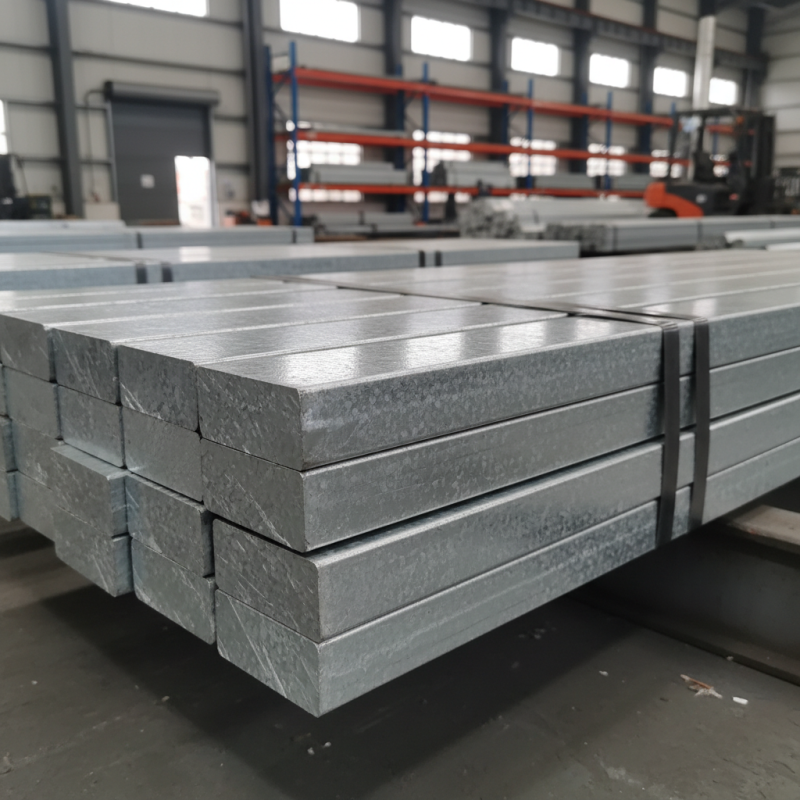
Understanding Alloy Galvanized Rectangular Pipes and Their Applications
Alloy galvanized rectangular pipes are increasingly recognized for their strength and durability. These pipes undergo a coating process that enhances their resistance to corrosion. This makes them excellent choices for various applications, from construction to industrial projects. Their rectangular shape provides structural stability, making them ideal for frames and supports.
In addition to their robust properties, alloy galvanized pipes enjoy versatility. They can be used for plumbing, manufacturing, and even automotive applications. However, sourcing them can be tricky. Buyers often face challenges related to material quality and supplier reliability. It's essential to evaluate suppliers based on their experience and technical knowledge. This ensures that the pipes meet industry standards and performance expectations.
Improper sourcing can lead to failures, resulting in costly downtimes. Researching suppliers thoroughly is crucial. Look for certifications that demonstrate quality assurance. Many buyers overlook these details, risking project success. Understanding the specific needs of your project can guide you in selecting the right pipe. Quality matters, so prioritize sourcing from reputable suppliers when considering alloy galvanized rectangular pipes.
Key Factors to Consider When Sourcing Alloy Galvanized Pipes
When sourcing alloy galvanized rectangular pipes, key factors come into play. Start by evaluating the material specifications. Check the alloy composition and the thickness of the galvanization. These elements significantly affect the pipe's durability and resistance to corrosion. Inquire about the manufacturing process as well. Techniques like hot-dip galvanization usually yield better quality than others.
Another consideration is the supplier's reputation. Research their history in the industry. Look for reviews or case studies that highlight their reliability. The source's production capacity also matters. Can they supply large orders? Are they consistent with quality? Make sure to ask about warranties and certifications. These documents attest to the product's compliance with industry standards.
Finally, assess the pricing structure. Understand what drives the costs. Sometimes, lower prices might signal inferior quality. Always balance cost with quality. Seek out multiple quotes to make informed decisions. Testing samples before placing large orders can also be beneficial. Red flags can appear when there are discrepancies in dimensions or finish quality.
Top 10 Tips for Sourcing Alloy Galvanized Rectangular Pipe
| Tip Number | Tip Description | Key Factors | Potential Challenges |
| 1 | Identify the exact specifications needed for your project | Material grade, dimensions, and weight | Miscommunication about specifications |
| 2 | Research potential suppliers | Supplier reputation, product quality | Lack of reliable information |
| 3 | Request samples before making large orders | Quality assurance | Delivery delays |
| 4 | Understand the galvanization process | Types of galvanization, performance attributes | Misunderstanding product longevity |
| 5 | Check compliance with industry standards | ASTM, ISO standards | Non-compliance risks |
| 6 | Evaluate the total cost of ownership | Purchase price, maintenance, and lifecycle costs | Underestimating total costs |
| 7 | Inquire about warranty and after-sales support | Warranty terms, support services | Limited support options |
| 8 | Consider logistics and delivery timelines | Shipping times, delivery methods | Unexpected delays |
| 9 | Negotiate favorable terms and conditions | Payment terms, order quantities | Unfavorable negotiation outcomes |
| 10 | Build long-term relationships with suppliers | Trust, reliability, collaboration | Dependency risks on single supplier |
Identifying Reliable Suppliers for Alloy Galvanized Rectangular Pipes
Finding reliable suppliers for alloy galvanized rectangular pipes can be challenging. Start by assessing their experience in the industry. Suppliers with a proven track record often demonstrate higher quality. Look for those who provide detailed specifications about their products. Transparency in materials used shows they prioritize quality.
Networking at industry events can offer valuable insights. Engaging with manufacturers directly allows you to gauge their expertise. Ask for references from past clients to understand their reliability. Visit their facilities if possible. This step can expose issues, such as subpar production processes.
Consider suppliers who offer comprehensive warranties. A solid warranty indicates confidence in product durability. Verify that the supplier complies with relevant standards. Certifications can be a good sign of their commitment to quality. At the same time, be cautious of overly aggressive pricing. Low costs can sometimes mask inferior quality. Building a relationship with a trusted supplier is a long-term investment. Be open to reassessing your choices.
Evaluating Quality Standards and Certifications for Pipe Sourcing
When sourcing alloy galvanized rectangular pipes, understanding quality standards and certifications becomes essential. The American Society for Testing and Materials (ASTM) has stringent guidelines that manufacturers must follow. Reports indicate that pipes meeting these standards have a failure rate of less than 1% in real-world applications. This highlights the importance of compliance in ensuring both safety and reliability.
Evaluating certifications such as ISO 9001 can also guide sourcing decisions. This internationally recognized standard focuses on quality management. A study revealed that ISO-certified manufacturers report a 30% increase in customer satisfaction rates. Look for firms that display these credentials prominently. It reflects their commitment to quality and continuous improvement.
Tip: Check for welding standards. Adherence to guidelines like AWS D1.1 ensures structural integrity. Poor welding can lead to serious failures. Additionally, always inquire about third-party testing. This adds an extra layer of verification. Not all manufacturers engage in comprehensive quality checks, leading to unexpected reliability issues.
Cost Considerations and Budgeting Tips for Procurement of Pipes
When budgeting for alloy galvanized rectangular pipes, careful planning is essential. Start by determining your project requirements. Calculate the length, width, and thickness needed for your application. This will help estimate the quantity of pipes required, which directly impacts the overall cost.
Consider the different sourcing options available. Local suppliers may offer competitive prices, but international manufacturers may provide cost savings. Be aware of shipping costs and customs fees. These costs can quickly add up and affect your budget. It’s also wise to get quotes from various suppliers to compare prices.
Keep in mind that while low prices are tempting, quality should not be compromised. Inadequate materials can lead to costly repairs or replacements later. Evaluating the supplier’s reliability and product specifications is crucial. You might find yourself questioning whether you have factored in all potential hidden costs. Reflect on your choices throughout the procurement process to ensure a successful project outcome.