Top Friction And Wear Tester Tools for Accurate Testing?
In the realm of materials testing, Friction And Wear Testers play a pivotal role. These tools are essential for assessing performance under tribological conditions. According to a report by the Materials Testing Association, friction and wear account for nearly 40% of mechanical failures in industrial settings. This statistic underscores the need for rigorous testing methodologies.
Dr. Emily Carter, a leading expert in tribology, states, "Accurate testing of friction and wear properties is crucial for product longevity." Her insights reflect the industry's shift toward precision-driven testing. Friction And Wear Testers help companies enhance material selection, optimize designs, and improve overall reliability.
However, challenges remain. Not all testers offer the same level of accuracy or reproducibility. Some machines can be costly and require extensive training. Therefore, selecting the right tester is critical for effective analysis. Investing in quality tools can mitigate future operational problems. The future depends on reliable friction and wear data to shape innovations.
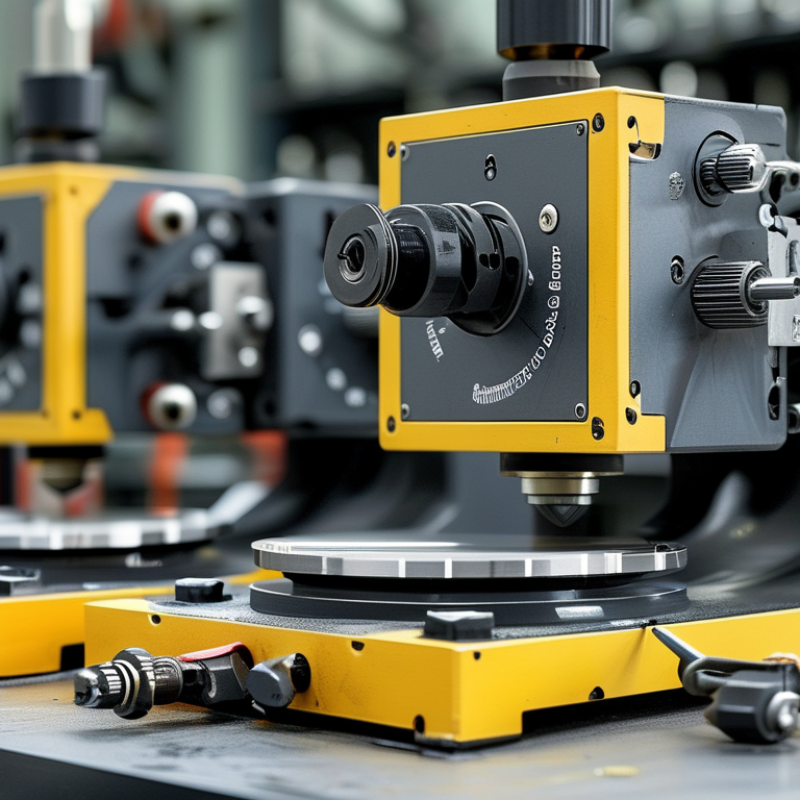
Top Friction Tester Tools: Overview and Applications in Industry
Friction testers play a vital role in various industries. They help measure the frictional performance of materials. Accurate data on friction helps in selecting the right materials for applications. This is crucial in automotive, manufacturing, and aerospace fields. Understanding material behavior under different loads and speeds is essential.
Different friction tester tools exist, each with unique capabilities. Some measure static and dynamic friction, while others assess the wear characteristics of materials. When choosing a tool, consider the specific requirements of your application. Details such as load capacity and testing speed are important. Users often find that the calibration process can be challenging. Regular maintenance and accuracy checks are necessary for reliable results.
Despite technological advancements, imperfections exist in these tools. Not all tests capture real-world scenarios. For example, environmental factors can influence friction outcomes. Industry professionals must be aware of these limitations. Adapting testing processes to reflect actual conditions can enhance reliability. When used correctly, friction testers provide crucial insights for material selection and performance evaluation.
Key Parameters in Friction and Wear Testing: What You Need to Know
When it comes to friction and wear testing, understanding key parameters is essential. Friction coefficient, wear rate, and surface roughness are vital metrics. According to recent industry data, even a small change in the friction coefficient can lead to significant differences in wear performance. For instance, a friction coefficient variation of just 0.1 can affect the lifespan of components by 50%, underscoring the need for accurate measurement.
Measuring these parameters requires precision tools. Advanced testers can simulate real-world conditions. They should assess different materials under varying loads and speeds. Often, wear tests might reveal that materials perform well in theory but fail in practice. This gap between expected and actual performance can stem from uncontrolled testing environments.
Tips for Effective Testing: Ensure your testing conditions closely match operational environments. Monitor temperature and humidity. Using consistent sample preparation techniques helps minimize variability. Regularly calibrate your testing equipment to maintain accuracy. Be ready to adjust test parameters as needed based on initial findings; flexibility can lead to better insights.
Comparison of Mechanical vs. Tribological Testing Methods
When it comes to assessing friction and wear, the choice of testing method is crucial. Mechanical testing often focuses on how materials perform under applied loads. It measures parameters like tensile strength or compression resistance. This can provide valuable insights, but it might not simulate real-world conditions accurately.
On the other hand, tribological testing evaluates surface interactions under varying conditions of motion. It analyzes wear rates, friction coefficients, and lubrication effectiveness. Reports suggest that tribological testing can be more predictive of long-term performance. For example, studies show that components subjected to tribological evaluations can last 30% longer than those tested mechanically under similar conditions.
Tips: Always consider the specific application when choosing a test method. Not all methods will yield relevant results for every material. Relying on solely mechanical tests can lead to misleading conclusions. Additionally, it's vital to maintain and calibrate your testing equipment regularly. This ensures optimal performance and reliable data.
In the end, understanding the differences between these testing approaches is essential. The future of material performance assessment lies in integrating both methods. Leveraging the strengths of each will lead to better, more informed engineering decisions.
Impact of Material Properties on Friction and Wear Measurements
When assessing friction and wear, the properties of materials play a crucial role. Different surfaces interact uniquely under stress or sliding conditions. Factors like hardness, surface finish, and temperature affect wear rates directly. Engineers often struggle with these variables. Selecting suitable testing tools becomes imperative.
Tips: Always consider material compatibility in experiments. Test multiple conditions to find the best results.
Material hardness influences friction levels significantly. Softer materials tend to wear faster, leading to inaccurate measurements. Understanding the microstructure can help identify potential issues. Not all tests yield clear data, and sometimes unexpected results arise. Continuous analysis is vital.
Tips: Document test conditions thoroughly for better tracking. Review results frequently for unforeseen patterns.
Emerging Technologies in Friction Testing: Trends and Innovations
Emerging technologies in friction testing are reshaping how we understand wear and tear. Traditional methods are being complemented by innovative approaches. New sensor technologies are enhancing precision in measuring friction coefficients. These sensors provide real-time data, allowing for immediate analysis of material performance.
Machine learning is another key trend. It analyzes vast amounts of testing data to predict friction behavior under various conditions. This application is still in its early stages but shows promise. However, the integration of machine learning can be complex, requiring specialists to interpret the results accurately.
3D printing also plays a role in creating test samples. It allows for rapid prototyping of materials with specific surface textures. This innovation leads to more relevant testing scenarios. Still, quality control remains a challenge. Not all printed materials perform consistently, prompting further investigation into their reliability for friction testing. These advancements highlight the need for continuous improvement in testing methodologies.