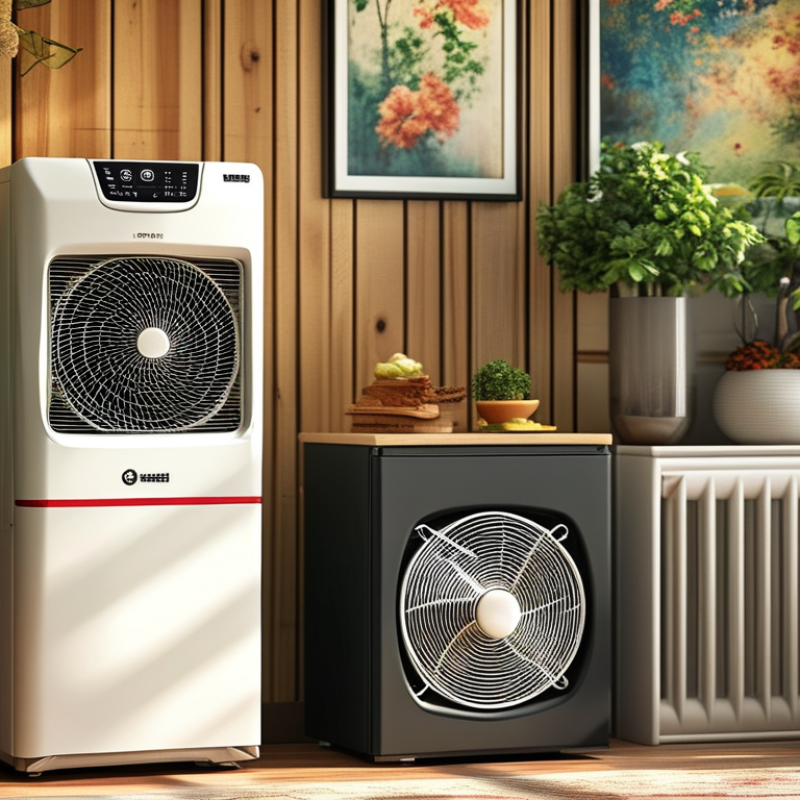
How to Choose the Best Cooling Equipment for Your Needs?
Choosing the right Cooling Equipment is essential for comfort and efficiency. With various options available, the decision can feel overwhelming. Different environments require specific cooling solutions, making it critical to understand your needs.
A well-functioning air conditioning unit can transform a sweltering summer into a cool retreat. Alternatively, evaporative coolers may be more suitable in dry climates. Assessing factors like size, energy efficiency, and installation costs is vital. Not all solutions are perfect, and some might not meet expectations.
Doing thorough research can help avoid investing in inadequate equipment. Consulting with experts or reading reliable reviews adds depth to your decision-making process. It’s important to explore and reflect on your choices. The right cooling equipment should enhance your space, not complicate it.
Understanding Your Cooling Needs and Environment
Understanding your cooling needs is crucial before selecting equipment. The environment plays a significant role in determining what will work best. According to the U.S. Department of Energy, buildings account for 38% of the nation's energy use. This includes cooling, which can be optimized by understanding both your space and regional climate. For instance, areas with high humidity may require dehumidifying units in addition to cooling. Understanding local weather patterns can guide your choice.
It's essential to evaluate your specific cooling needs. The American Society of Heating, Refrigerating and Air-Conditioning Engineers suggests measuring square footage and insulation quality. A well-insulated space can be cooled efficiently, using smaller, less energy-consuming systems. A common misstep is overestimating cooling requirements, which can lead to higher energy bills and unnecessary wear on equipment.
While advanced systems may promise superior performance, they are not always necessary for every environment. Research indicates that simple solutions often suffice. Regular maintenance also plays a critical role in efficiency. Neglecting it can result in decreased performance and increased costs. Reflecting on past decisions can lead to better choices in the future.
Types of Cooling Equipment Available on the Market
When selecting cooling equipment, it’s essential to consider the various types available. Air conditioning units remain one of the most common choices for both residential and commercial spaces. According to the U.S. Department of Energy, approximately 87% of U.S. households use some form of air conditioning. Portable air conditioners offer flexibility and ease of use, while central air systems provide efficient cooling for larger spaces.
Evaporative coolers, also known as swamp coolers, are an alternative option, especially in dry climates. They can be up to 75% more energy efficient than traditional air conditioners. However, they do function best with low humidity levels, which might limit their effectiveness in some regions. Understanding your environment is key.
Refrigeration systems are vital for industrial sectors, playing a crucial role in food preservation and pharmaceuticals. The global refrigeration equipment market is projected to reach $210 billion by 2025. Yet, these systems require strict maintenance and can impact power consumption heavily if not managed properly. Reflecting on energy efficiency and long-term costs can guide better choices in cooling solutions.
Assessing Energy Efficiency and Operating Costs
When selecting cooling equipment, energy efficiency and operating costs play a pivotal role. An efficient system can drastically lower electricity bills. Look for models with high EER or SEER. These ratings indicate how much cooling you get for every watt consumed.
Operating costs extend beyond electricity. Consider maintenance expenses too. Some units require regular services, which can add up. Weigh these costs against initial purchase prices. A cheaper model may lead to higher long-term expenses.
Every choice comes with trade-offs. A powerful air conditioner may cool a large space quickly. However, it could consume more energy. Additionally, smaller units may struggle, leading to discomfort during peak heat. Strive for balance; think about your space and needs. Always conduct a thorough assessment before making a decision.
Key Features to Consider When Selecting Cooling Devices
When selecting cooling equipment, several key features demand attention. Energy efficiency is crucial. According to the U.S. Department of Energy, energy-efficient cooling systems can reduce electricity use by 20-50%. Evaluating the Seasonal Energy Efficiency Ratio (SEER) and Energy Efficiency Ratio (EER) can guide users in choosing systems suitable for their specific settings. A higher SEER rating often correlates with better performance, yet it may also involve higher upfront costs.
Size and capacity also play vital roles. A unit that's too small may struggle to cool effectively. Conversely, an oversized unit can lead to higher energy bills due to frequent cycling. The Air Conditioning Contractors of America (ACCA) suggests using a Manual J calculation to accurately determine the required cooling capacity. Additionally, consider noise levels, especially for residential applications. Decibel ratings can vary significantly, influencing comfort in living spaces.
Durability and maintenance requirements are also essential. Research indicates that systems requiring less frequent maintenance yield longer lifespans. Look for units with easy-to-replace filters and accessible components. Manufacturers might tout longevity, but real-world applications often reveal inconsistencies. Regular servicing is vital, regardless of claims. A cooling system's effectiveness is closely tied to its upkeep, making a reliable maintenance plan essential for optimal performance.
Maintenance and Longevity of Cooling Equipment
Proper maintenance is crucial for the longevity of cooling equipment. Regularly inspect filters and clean them monthly. Dirty filters can lead to inefficient cooling and higher energy costs. Pay attention to the condenser coils too. These should be cleaned at least once a season. Neglect leads to poor performance and shortened equipment lifespan.
Another important aspect is monitoring refrigerant levels. Low refrigerant can cause the system to overwork, resulting in wear and tear. Look for signs of leaks or unusual noises. These could indicate underlying issues. Timely repairs are essential, as they prevent bigger problems down the road.
Annual professional maintenance checks are beneficial. Technicians can spot potential issues early. They can also ensure that the entire system runs efficiently. It may seem like an added cost, but it saves money in the long run. Neglecting these details often leads to costly replacements. Regular upkeep fosters reliability and extends the life of your cooling equipment.
Cooling Equipment Maintenance and Longevity