How to Choose the Best 5-axis Gantry Machining Center?
Choosing a 5-axis Gantry Machining Center can significantly impact your production capabilities. These advanced machines merge speed and precision. However, selecting the right model involves careful consideration. There are many factors to weigh before making a final decision.
Experience in machining is crucial. It helps you understand the specific needs of your projects. For example, consider the types of materials you will be machining. Not all 5-axis Gantry Machining Centers can handle every material efficiently. In addition, you need to assess the machining volume and workspace requirements.
Researching different brands provides insights into their reliability. User reviews can reveal potential issues that manufacturers may not mention. Some machines may excel in specific applications but underperform in others. It's wise to reflect on what features are truly essential for your business. Ultimately, selecting the correct 5-axis Gantry Machining Center requires a blend of knowledge, research, and a bit of intuition.
Understanding the Basics of 5-axis Gantry Machining Centers
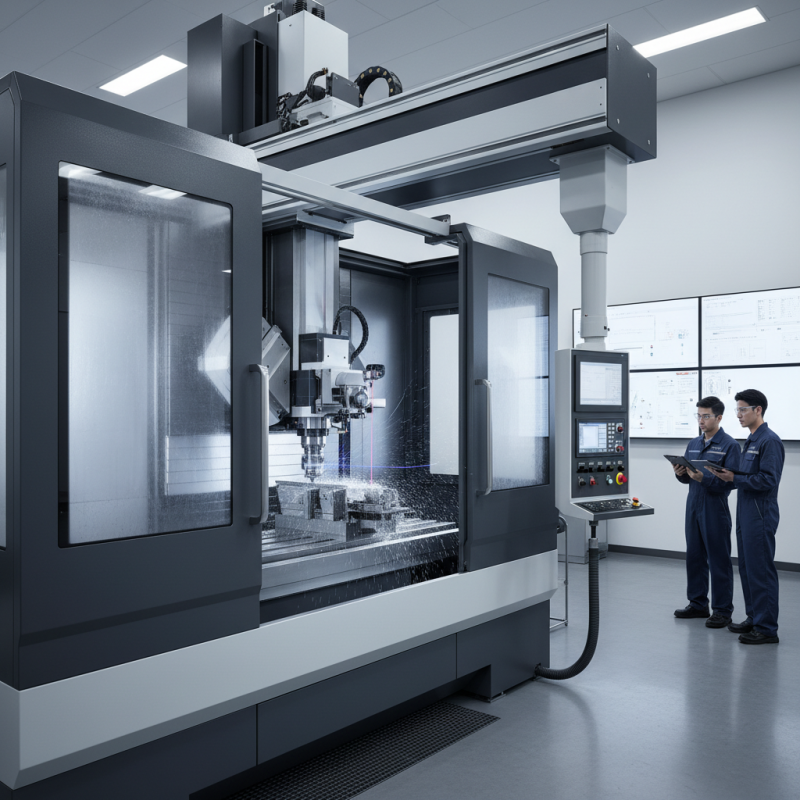
When selecting a 5-axis gantry machining center, a clear understanding of its basics is crucial. These machines offer multidimensional capabilities, allowing for intricate geometries. According to industry data, 5-axis machining can enhance productivity by up to 30% compared to traditional methods. This improvement stems from the reduction in setup times and the enhanced flexibility in machining complex parts.
A notable aspect of 5-axis gantry systems is their ability to maintain precision over larger workpieces. The gantry design supports significant weight without compromising stability. However, it’s essential to consider the machine's rigidity and overall construction. Not all models provide the same level of reliability. Some manufacturers report challenges with thermal deformation. Regular maintenance is necessary to ensure consistent performance.
Additionally, understanding the software that operates these machines is key. Advanced control systems facilitate better programming of intricate designs. This can significantly reduce the learning curve. Yet, operators may find the initial setup time daunting. Choosing a machine with user-friendly software can mitigate this issue. Overall, ensuring that the selected machine aligns with production needs involves careful research and consideration of these fundamental elements.
Key Factors to Consider When Choosing a 5-axis Gantry Machining Center
Choosing the best 5-axis gantry machining center involves careful consideration of several factors. One key aspect is the machine's work envelope. Larger work envelopes provide flexibility for various parts. According to a recent industry report, larger machines (over 2 meters in travel) increase production efficiency by up to 30%. This is crucial for shops handling oversized components.
Another factor is the machine's spindle speed and capability. High spindle speeds enable faster machining and better surface finishes. Research indicates that spindles rated above 15,000 RPM significantly reduce cycle times. However, some users may face challenges in cooling and tool wear at this speed. Additionally, the rigidity of the machine structure is vital. A weak structure leads to vibration and inaccuracy, reducing the overall quality of machined parts.
Consider the control system as well. An intuitive, easy-to-use interface enhances productivity. Operators can often struggle with complex systems and face a learning curve. Investing in staff training is necessary to ensure efficient operation. These reflections highlight that choosing the right machine is not just about specifications but also about understanding the practical challenges and operational needs of your shop.
Evaluating the Performance Specifications of Machining Centers
When selecting a 5-axis gantry machining center, the performance specifications are crucial. Start by examining the machine's rigidity and stability. A robust frame reduces vibrations. This leads to improved precision. Check the feed rate as well. A higher feed rate can mean better productivity, but be cautious. Too high can compromise quality.
Next, consider the tooling and compatibility. Look for a center that supports different types of tooling. This flexibility allows for diverse applications. The spindle speed is another key factor. Higher speeds can increase efficiency. However, they also generate heat. Overheating can affect material quality.
Evaluate the control system as well. A user-friendly interface can enhance operation. An advanced control system allows for complex machining. But it might be challenging for new users. Pay attention to maintenance requirements, too. Easier maintenance can lead to less downtime. Still, some manufacturers may overlook this aspect. Balance performance with long-term usability.
How to Choose the Best 5-axis Gantry Machining Center?
| Specification | Details |
| Travel Range (X/Y/Z) | 2000 mm / 1500 mm / 1000 mm |
| Spindle Power | 20 HP |
| Max Speed | 24000 RPM |
| Tool Capacity | 30 Tools |
| Weight Capacity | 1500 kg |
| Accuracy | ±0.005 mm |
| Control System | CNC with 3D Capability |
| Cooling System | Through Spindle Coolant |
| Dimensions (L x W x H) | 4000 mm x 3000 mm x 2500 mm |
Comparing Different Brands and Models of Gantry Machining Centers
When selecting a 5-axis gantry machining center, comparing brands and models is crucial. The market offers varied options suited for different projects. Many industry reports highlight that factors like precision, build quality, and support greatly influence the decision. For instance, studies show that models with a higher rigidity often result in better precision. Rigid machines reduce vibration, enhancing accuracy during operation.
Additionally, examining the control systems is vital. User-friendly interfaces can minimize training time and improve workflow efficiency. Data indicates that 60% of operators prefer systems that allow for easy programming and adjustment. Not all gantry machining centers provide this feature, which can hinder productivity. It's essential to weigh these factors against your specific needs and production volume.
However, recognizing the limitations is also important. Not every brand excels across all metrics. Some may prioritize speed over precision, which could lead to trade-offs. This reflective approach is necessary. Understanding that no single model meets every requirement enables better-informed choices. Research feedback from operators to gauge the real-world performance of various models. Review comparisons are a great source of unbiased insights.
Assessing Cost versus Features in 5-axis Gantry Machining Options
When choosing a 5-axis gantry machining center, balancing cost and features is crucial. Many options are available, each with unique advantages. Assess the specific needs of your machining projects. Consider the types of materials you'll work with and the precision required. This evaluation helps align your budget with the features you need.
Tips for selecting the right machine include evaluating the total cost of ownership. It goes beyond the initial investment. Maintenance, tooling, and operating costs can add up. Sometimes, a cheaper model may require more frequent repairs, offsetting savings. Understand your production volume and cycle times. These factors influence which features are necessary.
Another aspect to consider is the support and training offered by the manufacturer. Investing in a machine with strong customer service may enhance your operation's efficiency. Research user reviews and industry feedback. This insight can reveal hidden costs and benefits. The goal is to find an option that meets your production needs while remaining financially viable in the long run.