Top Camera Lens Types for Professional Photography in China?
In the world of professional photography, understanding the right Camera Lens can significantly influence the outcome of your work. China, with its stunning landscapes and vibrant culture, demands lenses that capture every detail well. A quality lens enhances colors, sharpness, and depth, making each photograph tell a story.
Different Camera Lens types cater to various photography styles. For landscapes, wide-angle lenses offer expansive views. Portrait photographers, on the other hand, often prefer prime lenses for their sharpness and beautiful bokeh effect. Yet, choosing the right lens is not always straightforward. Photographers may find themselves torn between options, each with unique advantages and drawbacks.
While expertise and experience play crucial roles, learning often comes from trial and error. Not every shot will be perfect. Lenses can underperform in low light or struggle with distortion in certain settings. The journey to mastering Camera Lenses is a continuous process of experimentation and reflection. Understanding your needs and preferences is essential for growth in this craft.
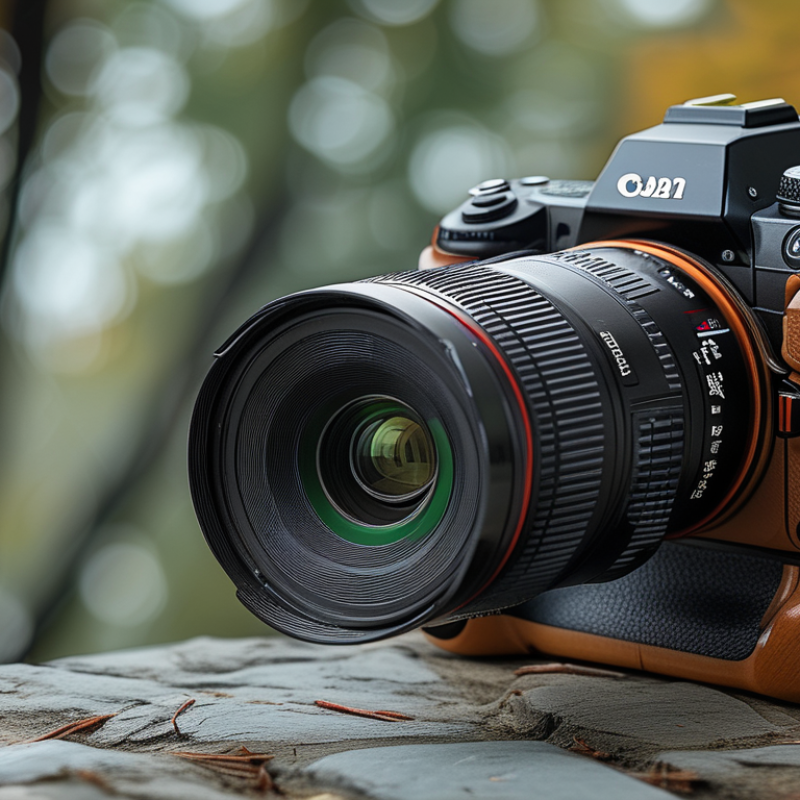
Overview of Professional Photography in China
Professional photography in China has been gaining traction. The country's diverse landscapes and rich culture provide endless opportunities for stunning visuals. Photographers are increasingly embracing both traditional techniques and modern technology. Urban scenes, vast mountains, and serene rivers inspire many artists in this vibrant field.
Many professionals focus on specific genres, such as portrait, landscape, and street photography. Each genre has its unique challenges. For instance, portrait photographers must capture emotions within a fraction of a second. Landscape photographers often deal with unpredictable weather conditions. Learning to adapt is crucial.
Aspiring photographers face a steep learning curve. The competition is fierce. They must invest time in mastering their craft. Online courses and workshops offer guidance, yet practical experience is invaluable. Networking within the community enhances growth. Engagement with fellow photographers fosters learning. Embracing imperfections leads to improvement. Every shot taken, whether successful or not, contributes to refining one's skills.
Common Camera Lens Types Used by Professionals
Professional photographers in China commonly use various camera lens types to enhance their work. Prime lenses are popular for their sharpness and ability to produce stunning images. They have a fixed focal length, which encourages thoughtful composition. Many professionals appreciate the simplicity of prime lenses. A 50mm lens, for example, is ideal for portrait photography.
Zoom lenses offer versatility and convenience for capturing diverse scenes. They allow photographers to adjust focal lengths instantly, making them suitable for events or travel photography. However, the quality may vary at extreme focal lengths. Understanding each lens's strengths helps in making informed choices.
Wide-angle lenses are favored for landscapes and architecture. They create a sense of depth and can capture more in a single frame. However, they can sometimes distort images, which requires careful framing. Many professionals reflect on these trade-offs in their work. Each lens type presents unique challenges and learning opportunities, emphasizing the art of photography.
Top Camera Lens Types for Professional Photography in China
Prime Lenses: Advantages and Best Uses in Professional Photography
Prime lenses are a favorite among professional photographers in China. These lenses offer a fixed focal length, which leads to better image quality. With a wider aperture, they allow more light to enter, making them perfect for low-light conditions. This results in clearer, sharper images with beautiful bokeh effects.
When choosing a prime lens, consider your photography style. For portraits, an 85mm lens can provide flattering results. For street photography, a 35mm might be more suitable. Understanding these nuances is vital for capturing stunning images.
Tips: Always practice with different focal lengths. This helps in developing a feel for how each lens affects composition. Experiment with apertures to see how depth of field changes your photos. Be patient; perfecting your craft takes time. Reflect on your work regularly to identify areas for improvement. Keeping an open mind will lead to growth as an artist.
Zoom Lenses: Versatility and Selection for Various Scenarios
In professional photography, zoom lenses offer remarkable versatility. They allow photographers to adapt to different subjects and settings without changing gear. A recent report from the International Photography Industry Association highlights that 70% of professionals prefer zoom lenses for their ability to handle various shooting conditions. This flexibility is crucial in capturing everything from landscapes to intimate portraits.
However, zoom lenses come with their challenges. Many struggle with consistent image quality across the zoom range. Some photographers find that certain focal lengths do not perform as well, leading to softer images. According to studies, about 40% of professional photographers note that prime lenses still outperform zooms in sharpness and detail for specific applications. This aspect has prompted many to consider a dual-lens approach, combining the best of both worlds.
Moreover, weight and size can be significant drawbacks. High-quality zoom lenses tend to be bulkier. Carrying multiple lenses becomes cumbersome during long shoots. Industry surveys indicate that convenience often leads professionals to compromise on image quality. Despite these issues, the adaptability of zoom lenses continues to attract photographers in China’s evolving market, fueling ongoing discussions about image quality versus versatility.
Specialized Lenses: Macro, Tilt-Shift, and Other Unique Options
When it comes to specialized lenses in professional photography, macro and tilt-shift lenses stand out. Macro lenses excel at capturing tiny subjects in stunning detail. They often have a 1:1 magnification ratio, allowing photographers to get incredibly close. This lens type is perfect for capturing intricate textures in nature, like the delicate details of a flower petal. However, macro photography can be challenging. Achieving the right focus at such close distances can be tricky.
Tilt-shift lenses offer unique capabilities for controlling perspective and depth of field. These lenses are excellent for architectural photography. They help correct distortions and create a more natural representation of buildings. Photographers can adjust the plane of focus, leading to creative outcomes. Yet, mastering tilt-shift techniques takes time and practice. Many photographers initially struggle with the adjustments, which can be frustrating.
Other unique lenses, like fisheye and anamorphic, provide different creative options. Fisheye lenses create a wide, spherical effect. This lens can dramatically alter landscapes or interior shots. Anamorphic lenses, often used in cinema, give a unique aspect ratio and beautiful lens flares. Experimenting with these lenses can lead to innovative results. However, they also come with their own set of challenges. Understanding these lenses is crucial for maximizing their potential.
Top Camera Lens Types for Professional Photography in China
| Lens Type | Focal Length Range | Aperture Range | Best For | Price Range (CNY) |
| Macro Lens | 60-105 mm | f/2.8 - f/5.6 | Close-up Photography | 1500 - 5000 |
| Tilt-Shift Lens | 24-90 mm | f/3.5 - f/4.5 | Architectural Photography | 4000 - 12000 |
| Fisheye Lens | 8-16 mm | f/3.5 - f/4.5 | Creative and Landscape Photography | 2000 - 8000 |
| Cinematic Lens | 18-200 mm | f/2.8 - f/4 | Video Production | 5000 - 15000 |
| Super Telephoto Lens | 200-800 mm | f/2.8 - f/4 | Wildlife and Sports Photography | 8000 - 30000 |