Why Choose Wpc Decking Boards for Your Outdoor Projects?
When it comes to outdoor projects, choosing the right materials is crucial. Wpc Decking Boards have become a popular choice for homeowners and builders alike. This innovative product combines wood fiber and plastic to create a durable, low-maintenance decking option.
Wpc Decking Boards offer a range of benefits. They resist fading, splintering, and mold, making them ideal for any climate. Many users appreciate their aesthetic appeal and variety of colors. However, it’s important to consider the installation process and potential long-term costs. While Wpc Decking may seem like a perfect solution, it might not be the best fit for everyone's needs.
Understanding the unique properties of Wpc Decking Boards is essential. They can provide a beautiful outdoor space, but they also present challenges. Researching and consulting with experts can help you make informed decisions. It’s worth reflecting on your specific requirements and environment before finalizing your choice.
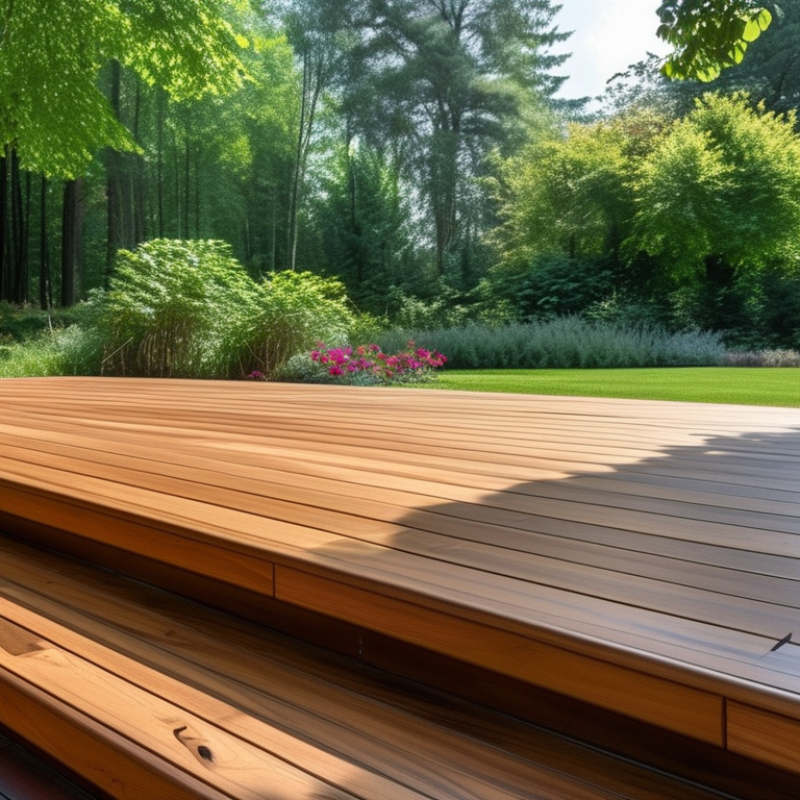
Benefits of Using WPC Decking Boards in Outdoor Projects
WPC decking boards have gained popularity for outdoor projects due to their durability and low maintenance. Composed of wood fiber and plastic, these boards resist rot and insect damage. According to a 2022 industry report, WPC decks can last up to 25 years with proper care, significantly outpacing traditional wood decking. This longevity makes them a cost-effective solution for homeowners and builders alike.
Additionally, WPC decking is environmentally friendly. Many products are made from recycled materials, aiding in reducing waste. A study found that using WPC can reduce the carbon footprint of outdoor projects by up to 50%. This aspect is increasingly appealing as sustainability becomes a priority for many consumers.
However, some users report that WPC can heat up under intense sunlight, making it uncomfortable for bare feet. Manufacturers are addressing this concern with advanced formulations. Even with this drawback, the benefits often outweigh the negatives. The ease of installation and variety of styles available make WPC decking an excellent choice for enhancing outdoor spaces.
Durability and Weather Resistance of WPC Decking Materials
When considering materials for outdoor projects, durability is a key factor. WPC decking boards offer impressive strength and longevity. They are engineered to withstand harsh weather conditions, making them a reliable choice for various climates. Unlike traditional wood, WPC does not warp, crack, or splinter over time. This resistance enhances safety and reduces maintenance efforts.
Weather resistance is another strong point for WPC materials. They can endure rain, sun, and snow without deteriorating. Their unique composition helps prevent color fading and surface damage. This durability means homeowners can enjoy their outdoor spaces without frequent repairs or replacements. However, while WPC is robust, it’s essential to consider installation methods. Incorrect installation can lead to future issues, so taking time to learn proper techniques is crucial.
Moreover, environmental factors can influence the performance of decking materials. WPC boards may face challenges in extreme conditions. Excessive heat or moisture can affect their appearance and feel. Regular inspection can help identify any problems early on. Understanding these aspects will lead to a more successful and satisfying outdoor experience.
Environmental Impact and Sustainability of WPC Decking Solutions
WPC (Wood-Plastic Composite) decking boards are gaining traction in outdoor projects due to their environmental benefits. According to a recent report by the Environmental Protection Agency (EPA), WPC materials significantly reduce reliance on virgin wood. This shift helps combat deforestation and reduces carbon footprints. WPC boards contain recycled materials, which cuts down on waste. It’s an innovative choice for sustainability-conscious consumers.
Research indicates that WPC decking can last longer than traditional wood. The durability translates to less frequent replacements and lower overall consumption of resources. A study by the Forest Products Laboratory found that composites resist rot, splinters, and insects better than wood. Yet, despite their benefits, WPC boards have been criticized for their manufacturing processes and potential environmental impacts. This sparks a conversation about balancing convenience with long-term sustainability.
Tip:
Consider choosing WPC boards with high recycled content to maximize environmental benefits.
Creating with WPC is not without challenges. The products can be more expensive upfront. However, their longevity saves money over time. Opting for these solutions promotes a greener future, yet consumers must stay informed. Understanding the lifecycle impacts of materials remains essential for making responsible choices.
Tip:
Always research the sources of your WPC materials. Sustainability certifications can guide you towards the best options.
Cost Analysis: WPC Decking vs. Traditional Wood Options
When considering outdoor projects, cost is a major factor. WPC decking boards are known for durability and low maintenance. They often come at a higher initial price than traditional wood options. However, their long-term savings can outweigh the upfront costs. WPC boards resist stains, rot, and insects, reducing the need for repairs and replacements.
Traditional wood requires frequent sealing and treatment, adding to its overall cost. Maintenance can become a chore, especially in harsh weather. WPC’s resistance to fading and warping means fewer headaches for homeowners. The longevity of WPC can lead to lower lifetime costs compared to wood.
Despite these advantages, it's important to consider individual project needs. Some may prefer the natural look of wood, which can be hard to replicate with WPC. There are trade-offs in aesthetics and environmental impact. Not all WPC products are created equal, and quality can vary greatly. It's essential to research options thoroughly to ensure you make an informed decision.
Maintenance Requirements for Longevity of WPC Decking Boards
WPC decking boards offer an appealing blend of aesthetics and durability for outdoor projects. However, to ensure their longevity, proper maintenance is crucial. Regular cleaning is essential. Use a soft broom or a vacuum to remove dirt and debris. For stubborn stains, a gentle cleanser with a hose can work wonders. Be careful to avoid harsh chemicals that can harm the boards.
Seasonal inspections can help identify wear or damage early. Look for any signs of fading or scratches. Addressing these issues promptly can prevent more significant problems down the line. Additionally, avoid placing heavy objects directly on the boards for extended periods. This can lead to dents and warp over time. Consider using pads or mats to protect the surface.
While WPC decking is resistant to decay and insects, it is not entirely immune. Regular upkeep is necessary to preserve its look and performance. Take time to inspect and clean the area around the boards. Overlooking these steps can lead to unexpected deterioration and a shortened lifespan. Balancing convenience with care is key to enjoying your outdoor space for years to come.
Why Choose WPC Decking Boards for Your Outdoor Projects? - Maintenance Requirements for Longevity of WPC Decking Boards
| Aspect | Description | Maintenance Frequency | Expected Lifespan |
| Material Composition | WPC is made from a blend of wood fibers and plastic. | Annually | 25-30 years |
| Weather Resistance | Resistant to moisture, UV rays, and insects. | Twice a year | 20-25 years |
| Cleaning | Mild soap and water recommended. | As needed | N/A |
| Scratch Resistance | Good scratch resistance compared to wood. | Inspect quarterly | 15-20 years |
| Color Fading | May fade slightly over time; choose UV-resistant options. | Annually | 20-25 years |