Top Vision Inspection Workstation Tips for Efficient Quality Control?
In the ever-evolving field of quality control, the Vision Inspection Workstation plays a critical role. According to John Smith, a well-respected industry expert, "The efficiency of a Vision Inspection Workstation directly impacts product quality." This statement emphasizes the importance of optimizing these workstations for optimal results.
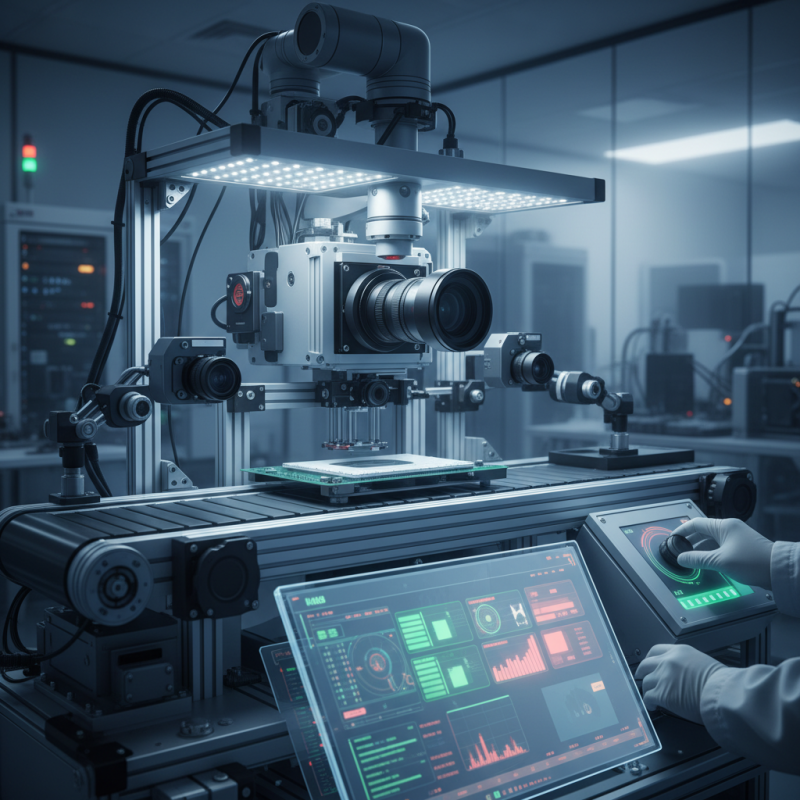
Efficient quality control starts with understanding the essential components of a Vision Inspection Workstation. From lighting conditions to camera resolution, every detail can influence inspection outcomes. Many organizations overlook simple adjustments that could enhance performance. For instance, inadequate lighting can lead to misidentified defects.
Companies often rush to implement complex systems, but ignoring foundational elements can lead to costly mistakes. Professionals must focus on basic setups, ensuring that every tool within the Vision Inspection Workstation is calibrated correctly. Striving for perfection isn’t always the goal; sometimes, it’s about refining existing processes for better quality outcomes. In this article, we'll explore key tips to enhance the functionality of your Vision Inspection Workstation.
Best Practices for Setting Up a Vision Inspection Workstation
Setting up an effective vision inspection workstation is crucial for quality control in manufacturing. A well-organized workspace can enhance productivity and accuracy. According to a report by the International Society for Quality in Manufacturing, around 80% of inspection errors occur due to poor workstation setup. This statistic highlights the importance of a systematic approach to workstation design.
A functional layout is essential. Place the camera and lighting systems at optimal angles to reduce blind spots. Ensure that all necessary tools are within reach to minimize movement. Many operators report that a distance of less than 2 feet from inspection tools increases efficiency. Lighting should be adjustable to accommodate different materials and textures. For instance, using varied light sources can significantly impact defect visibility.
Training is equally vital. Operators need to understand how to adjust settings based on their inspection parameters. It's not uncommon for users to overlook basic functions, which can lead to inconsistent results. Regular training sessions can address common mistakes. Industry studies reveal that companies investing in training see a 40% improvement in inspection accuracy. A space dedicated to ongoing education can reinforce best practices and stimulate problem-solving among team members.
Top Vision Inspection Workstation Tips for Efficient Quality Control
This chart displays the impact of various factors on quality control efficiency within vision inspection workstations. Effective lighting, high camera quality, proper software calibration, comprehensive operator training, and optimal inspection speed are crucial for enhancing overall quality control performance.
Essential Equipment for Optimal Vision Inspection Performance
Optimal vision inspection performance requires the right equipment. High-resolution cameras are essential. Research indicates that up to 85% of defects can be detected with advanced imaging technology. These systems can integrate with artificial intelligence, enhancing flaw detection rates.
Proper lighting is crucial for clear image capture. LED lighting can highlight subtle imperfections. Studies show that 70% of inspection errors happen due to inadequate lighting. Inspectors often overlook the importance of lighting adjustments. Over-reliance on fixed settings can lead to missed defects.
Ergonomic workstations also play a key role. Operator comfort can influence efficiency. A recent survey reveals that uncomfortable setups can reduce productivity by 25%. Inspectors need to be mindful of their position during inspections. Regular breaks can minimize fatigue and maintain focus.
Ergonomics and Layout Ideas to Enhance Workflow Efficiency
Effective layout and ergonomics in vision inspection workstations play a crucial role in enhancing workflow efficiency. Studies indicate that well-designed workspaces can improve productivity by up to 25%. Ergonomic setups reduce physical strain, leading to fewer errors. In fact, poor workstation design can contribute to a 50% increase in ergonomic-related injuries. It's vital to assess the height and angle of inspection surfaces to accommodate a range of users.
Optimizing the layout can minimize unnecessary movement. Positioning tools and materials within arm's reach can save valuable time. A 2019 report by the National Institute for Occupational Safety and Health highlighted that streamlining movement cuts inspection times significantly. Consider using task-oriented zones. This organization can help inspectors focus better and work more efficiently. However, remember that even with the best designs, it’s essential to regularly review the workstation’s effectiveness.
Trial and error are often part of the process. Some setups may not work as intended. Gathering feedback from users can help identify pain points and areas for improvement. A workspace should evolve based on real-world use and constant input. In doing so, facilities can create a more sustainable and efficient quality control environment.
Common Mistakes to Avoid in Vision Inspection Processes
In vision inspection processes, avoiding common pitfalls is crucial. A frequent mistake is overlooking the calibration of equipment. Failing to calibrate regularly can lead to inconsistent results. Operators might assume that the machine is functioning correctly. However, small deviations can accumulate, leading to significant quality issues.
Another mistake involves inadequate training for personnel. Skilled operators are essential for accurate inspections. Relying on untrained staff can introduce errors. They may misinterpret results or overlook defects. It's vital to provide comprehensive training sessions and updates.
Furthermore, neglecting regular maintenance of inspection equipment often leads to reduced efficiency. Machines can wear down, affecting performance. Regular checks and preventive maintenance can enhance reliability. Ignoring these aspects invites risks that could compromise the entire quality control process. Recognizing these shortcomings is the first step toward improving inspection outcomes.
Tips for Regular Maintenance and Calibration of Inspection Systems
Regular maintenance of inspection systems ensures optimal performance. Inspecting components like cameras and sensors can prevent downtimes. Checking the alignment and cleanliness enhances accuracy. Dust or smudges can lead to faulty readings.
Calibration is equally crucial in maintaining system reliability. Frequent adjustments may be needed due to environmental changes. Temperature and humidity fluctuations can affect measurements. It's wise to establish a routine for calibration checks. Documenting these procedures enhances accountability.
Operators should be aware of potential issues. A slight misalignment can cause significant errors. Engaging team members in maintenance practices fosters a culture of quality. Regular training sessions ensure everyone understands the importance of these tasks. This approach helps in addressing problems proactively.