What Is a Vertical Concrete Mixer and How Does It Work?
In the construction industry, understanding equipment is crucial. A prominent figure, John Smith, an expert in concrete technology, says, "The Vertical Concrete Mixer is revolutionizing our approach to mixing." This statement highlights the growing significance of this machinery.
A Vertical Concrete Mixer is designed for efficiency and precision. It ensures consistent mixing for various concrete applications. Unlike traditional mixers, its vertical design allows for better material flow. This unique structure increases productivity while reducing energy usage. Moreover, it minimizes manual labor, thus enhancing safety on construction sites.
Yet, the use of a Vertical Concrete Mixer is not without challenges. Operators must be well-trained to manage these machines effectively. The initial investment can also be higher than that of conventional mixers. Nonetheless, the long-term benefits often outweigh these initial hurdles, making it a worthy consideration for modern construction projects. Understanding these aspects is key to maximizing the potential of a Vertical Concrete Mixer.
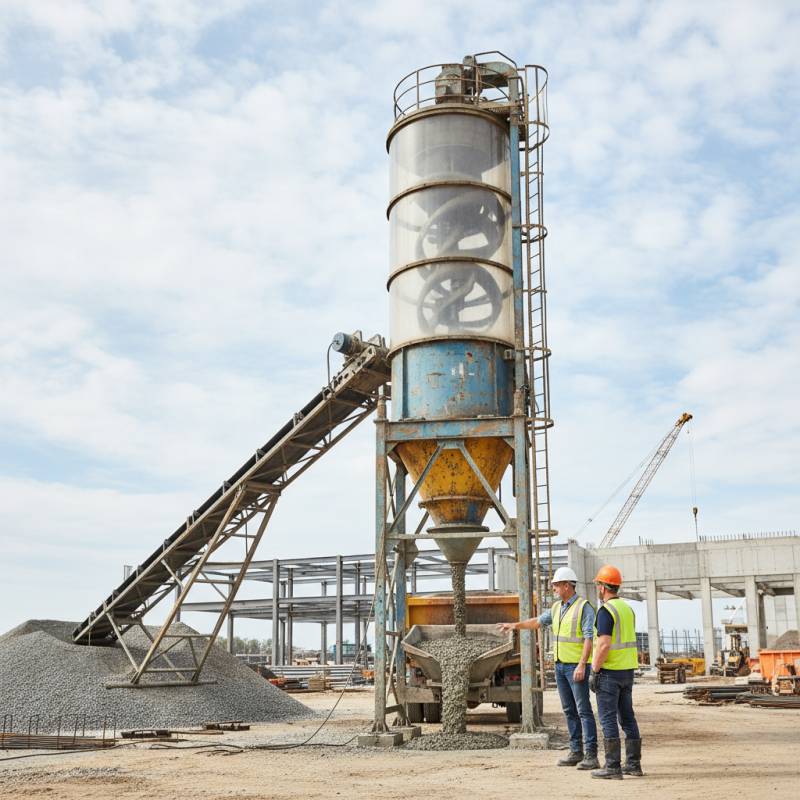
What Is a Vertical Concrete Mixer?
A vertical concrete mixer is a specialized machine designed to mix concrete in an efficient manner. Unlike traditional horizontal mixers, these vertical systems have a distinct design that allows for better integration of materials. In a vertical mixer, ingredients are blended in a chamber that stands upright. This design ensures that materials are thoroughly mixed while minimizing clumping. The vertical orientation also reduces the risk of material spillage.
The operation of a vertical concrete mixer involves several key components. The mixing blades are positioned vertically, allowing them to rotate within the chamber efficiently. As the blades turn, they lift and drop the materials, facilitating an even distribution. The combination of gravity and mechanical action helps achieve a homogeneous mixture. This type of mixer often requires less energy compared to its horizontal counterparts, making it a more sustainable option on construction sites.
Challenges can arise during the mixing process. For instance, incorrect material ratios can lead to poor concrete quality. It's crucial to strictly monitor the mixing time and consistency. Improper maintenance can also hinder performance. Regular checks and adjustments are necessary to ensure optimal mixing conditions. Despite its advantages, users must remain vigilant about quality control to maximize the benefits of a vertical concrete mixer.
Key Components of a Vertical Concrete Mixer
A vertical concrete mixer is a specialized piece of equipment used for mixing concrete. Its design features a vertical drum that allows for efficient mixing. Key components include the mixing drum, paddle blades, and motor. The mixing drum is where all the ingredients come together. Paddle blades ensure even mixing by lifting and folding materials.
The motor is crucial for driving the mixing action. It provides the necessary power to turn the drum and blades at optimal speeds. This mixing system is known for its ability to produce a homogeneous mix quickly. However, operating a vertical mixer demands attention. If the mix is too dry or too wet, it affects the final product.
**Tip:** Regularly check the mixing consistency during operation. If you observe clumping or uneven texture, pause the process for adjustments. It’s essential to maintain the gear and motor for longevity. Consider scheduling routine maintenance to avoid unexpected downtimes. Keeping the mixer clean is also vital. Build-up can impact its performance and affect the quality of your concrete mix.
What Is a Vertical Concrete Mixer and How Does It Work? - Key Components of a Vertical Concrete Mixer
| Component | Description | Function | Material |
| Mixing Drum | The cylindrical part where ingredients are mixed. | Provides a versatile mixing area for various materials. | Steel or reinforced concrete. |
| Drive System | Includes motor and transmission for mixing power. | Converts electrical energy into mechanical energy to rotate drum. | Metal gears and electric motor. |
| Mixing Blades | Blades attached inside the drum for thorough mixing. | Ensures consistent mixing of materials. | High-strength steel or alloy. |
| Chassis | Base structure supporting all components. | Stability and support during operation. | Heavy-duty steel. |
| Control Panel | Interface for operating the mixer. | Allows user to control mixing speed and duration. | Plastic or metal housing. |
How Does a Vertical Concrete Mixer Operate?
A vertical concrete mixer is designed for efficient mixing of concrete. It operates through a unique mechanism that maximizes the blending process. The paddle blades rotate vertically in a cylindrical drum, ensuring all materials are combined thoroughly. This design minimizes energy consumption compared to traditional mixers, as reported by the American Concrete Institute, which estimates energy savings of up to 30% in specific applications.
The operating principles of a vertical concrete mixer involve gravity and centrifugal forces. As the drum rotates, the materials move upward and then cascade down, ensuring uniform distribution. This mixing method is particularly effective for producing high-quality concrete with consistent texture. A study published in the Journal of Engineering found that vertical mixers can reduce mixing time by 20% while improving the homogeneity of the concrete produced.
Tip: Regular maintenance is crucial for optimal performance. Ensure that the paddles are free from wear, as damaged elements affect mixing efficiency. It's also wise to calibrate the mixer periodically. This practice can prevent over-mixing, which might weaken the final product. In addition, monitor the loading process. Overloading can lead to uneven mixing and a compromised concrete quality.
Advantages of Using Vertical Concrete Mixers
Vertical concrete mixers offer several notable advantages for construction projects. Their design promotes quicker and more efficient mixing. This efficient mixing can help save time on site, a critical factor in construction schedules. The vertical orientation allows for better mixing of materials, resulting in a more homogeneous product. This uniformity also improves the quality of the concrete used.
Another key advantage is the reduced space requirement. Vertical mixers occupy less floor area compared to traditional horizontal models. This space-saving design is especially beneficial in crowded work sites. It also allows for easier integration into existing workflows. However, operators may find the vertical design less familiar and may need more training to use them effectively.
Vertical mixers are generally easier to maintain. Their simple construction often leads to less wear over time. This can reduce downtime for repairs and lead to overall cost savings. Despite these advantages, it's crucial for operators to be aware of their unique challenges. Ensuring proper loading techniques and consistent material flow can be tricky and may require adjustments. An understanding of these aspects is essential for maximizing the potential of vertical mixers.
Applications of Vertical Concrete Mixers in Construction
Vertical concrete mixers are becoming increasingly vital in the construction sector. Their unique design allows for efficient mixing of concrete, particularly in projects demanding high precision and consistency. According to a report from the Portland Cement Association, the global demand for concrete is projected to reach 4.5 billion metric tons by 2025. Vertical mixers can significantly contribute to meeting this demand by optimizing the mixing process.
In construction, these mixers are often employed in developing high-strength concrete needed for infrastructure projects. Their ability to mix large volumes uniformly results in better concrete consistency. This is crucial for high-rise buildings and bridges where structural integrity is paramount. However, the reliance on these mixers can sometimes lead to overconfidence in the mixing process. Construction teams should always verify concrete quality through testing, as inconsistent batches can lead to serious structural issues.
Furthermore, vertical concrete mixers find applications in precast concrete production. They streamline the process of manufacturing components like beams and slabs. Efficiency in production is a double-edged sword, though. Increased output can sometimes compromise quality if not closely monitored. A 2023 industry report indicates that over 30% of construction projects suffer from quality-related issues, highlighting the need for vigilance even with advanced equipment like vertical mixers.
Applications of Vertical Concrete Mixers in Construction