How to Use a Plaster Saw Effectively for Home Renovation?
Home renovation projects can be daunting, especially when it comes to cutting through plaster. The right tools make all the difference. A "Plaster Saw" is essential for achieving clean lines and precise cuts in plaster walls. According to renovation expert Tom Sullivan, “A good plaster saw can be a game changer in any renovation.” This tool allows for better control and reduces mess during your project.
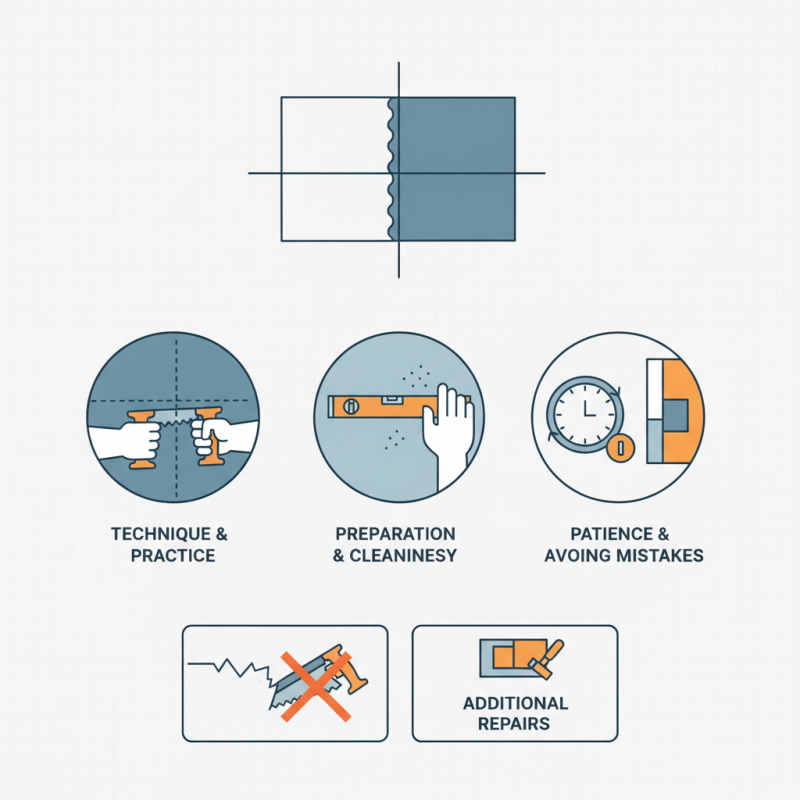
Mastering the use of a plaster saw requires practice. It’s not just about the tool; it’s about technique. Many DIYers struggle with the initial learning curve. A steady hand and patience are crucial. It's easy to make mistakes, such as cutting too deep or not following the line accurately. These errors can lead to additional repairs, which can be frustrating.
While using a plaster saw can seem straightforward, attention to detail matters. Preparation is key. Clean your workspace and ensure you have a stable surface. Familiarize yourself with the saw before diving into your project. Avoid rushing. Take your time to achieve the best results. With the right approach, the plaster saw will become your best ally in home renovation.
Understanding the Basics of a Plaster Saw for Home Renovation
When it comes to home renovation, understanding a plaster saw is essential. A plaster saw is a tool specifically designed for cutting through plaster materials. It features a serrated blade, making it suitable for both drywall and plaster. This saw is easy to handle and provides control during cutting. However, beginners may find it challenging to achieve clean cuts.
When using a plaster saw, ensure you maintain a steady hand. Jagged edges often result from unsteady pressure. Start by marking the area you wish to cut. Make short, deliberate strokes rather than long swipes. This approach reduces the risk of mistakes and gives you more accurate control.
Tips: Always wear eye protection. Dust and debris can fly off during cutting. Clean your workspace regularly to avoid accidents. Sometimes, it’s easy to overlook proper technique when rushing a project. Remember, taking your time leads to better results.
How to Use a Plaster Saw Effectively for Home Renovation?
| Aspect | Details |
| What is a Plaster Saw? | A specialized hand saw designed for cutting plasterboard and drywall. |
| Typical Sizes | Available in various lengths, usually between 12 to 24 inches. |
| Blade Type | Typically features a serrated edge for better cutting performance. |
| Safety Measures | Always wear safety goggles and a mask to protect against dust. |
| Best Practices | Make smooth, even cuts and support the material properly while cutting. |
| Common Projects | Installing drywall, cutting openings for outlets, and repairing damaged walls. |
| Maintenance Tips | Keep the blade clean and store the saw in a dry place to prevent rust. |
Choosing the Right Plaster Saw for Your Renovation Needs
Choosing the right plaster saw is crucial for your renovation project. A plaster saw needs to fit the specific tasks you plan to undertake. According to the National Home Builders Association (NHBA), improper equipment can hinder the quality of your work. Approximately 45% of DIYers report dissatisfaction due to tool choices.
When selecting a plaster saw, consider blade type, size, and features. For intricate cuts, a finer blade is essential. If you need speed, a larger blade can help. The right choice can enhance precision and efficiency. Data from the Home Improvement Research Institute shows that professionals prefer specialized tools for their versatility.
A well-chosen plaster saw can make your project easier and more enjoyable.
Many users underestimate the importance of comfort. A handle that feels right can prevent fatigue. If a saw is uncomfortable, it can hinder your progress. You may find yourself making more mistakes or needing breaks. These factors lead to wasted time and resources. Reflecting on your selection process will help you avoid common pitfalls.
Focus on what you need before making a purchase to ensure a smooth renovation experience.
Safety Precautions When Using a Plaster Saw
Using a plaster saw requires awareness of safety precautions to prevent accidents. Always wear protective gear, including goggles and gloves. Dust and debris can irritate the eyes and skin. Additionally, a mask can guard against inhaling harmful particles.
Before starting, check your workspace. Ensure there are no flammable materials nearby. The area should be well-lit and free from clutter. A clean environment can significantly reduce hazards. Also, keep your hands steady and avoid sudden movements. Taking your time is crucial to prevent mistakes and injuries.
Make sure your plaster saw is functioning correctly. Regular maintenance can prevent malfunctions during use. If something feels off, don’t ignore the signs. It’s essential to pause and reassess the situation. Sometimes, the enthusiasm to get the job done can lead to oversight. Prioritize safety over speed.
Step-by-Step Guide to Using a Plaster Saw Effectively
Using a plaster saw effectively requires attention to detail and a methodical approach. Begin by gathering your tools. Ensure you have a sturdy ladder, safety goggles, and a dust mask. Position your ladder firmly. You will need to reach higher areas. Wear protective gear to avoid inhaling dust.
Start your cuts on a marked line. This will help maintain accuracy. Use smooth, steady motions while sawing. Don't rush—taking your time prevents mistakes. Be prepared for some resistance. Adjust your angle if necessary. If the cut isn’t clean, reassess your technique. It’s common to encounter rough edges.
Take breaks if you feel fatigued. Fatigue can lead to careless mistakes. Evaluate your progress regularly. This helps identify areas needing improvement. If the plaster crumbles, consider adjusting the thickness of your cuts. Practice makes perfect, and each project teaches valuable lessons. Embrace these moments of reflection to enhance your skills.
Maintenance Tips for Longevity of Your Plaster Saw
Proper maintenance of your plaster saw is crucial to ensure it performs well over time. Regularly cleaning the saw blade is essential. Dust and plaster residue can build up, affecting its cutting efficiency. A study from the Home Renovation Industry suggests that tools properly maintained can last up to 30% longer than those neglected. This statistic highlights the importance of routine checks and cleaning for your plaster saw.
Inspecting the blade for any signs of wear is equally important. Replace any dull or damaged blades promptly. Using a sharp blade ensures clean cuts, minimizing the need for extensive finishing work. Moreover, lubricating moving parts prevents rust and corrosion. According to industry reports, tools lacking lubrication can lose up to 25% of their effectiveness. It's also worth noting that improper storage can lead to damage. Keep your plaster saw in a dry, safe place to extend its lifespan.
Despite these tips, many users often overlook basic maintenance. Some may forget to clean their tools after each use. Others may not see immediate results from maintenance and become disheartened. However, taking small, consistent actions can significantly enhance your plaster saw’s longevity. Recognizing these areas for improvement is the first step toward ensuring your tools remain reliable throughout your renovation projects.
Plaster Saw Usage and Maintenance Tips