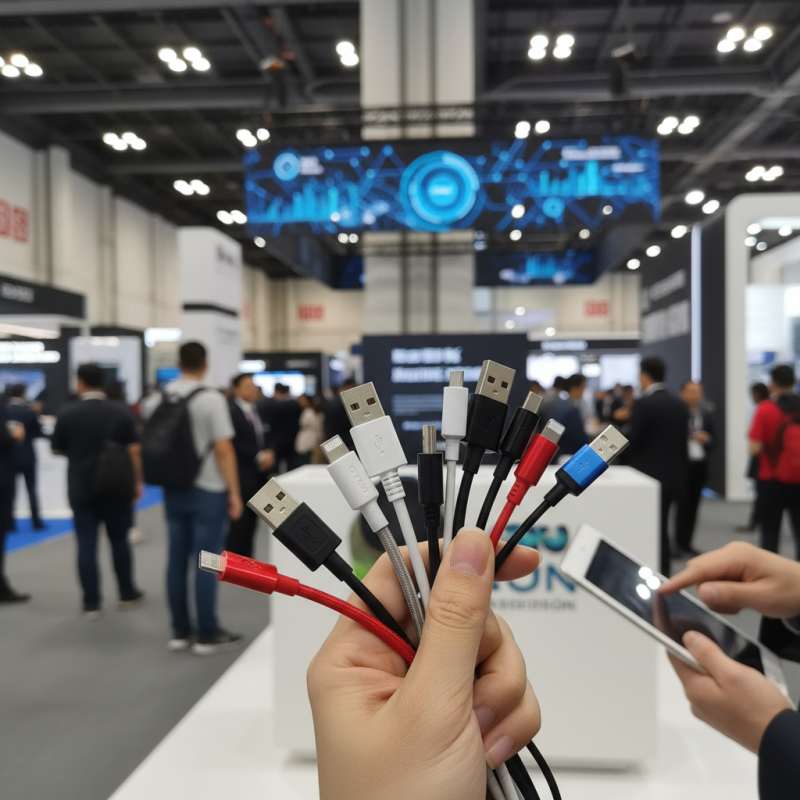
USB Cable Tips for Sourcing at the 139th Canton Fair?
As sourcing at the 139th Canton Fair approaches, attention turns to the vital USB Cable industry. Experts like John Doe, a renowned industry analyst, emphasize, "Quality in USB cables is crucial for performance." Buyers must recognize the importance of sourcing cables that meet specific standards, such as ISO and CE certifications.
The Canton Fair, set to take place in April 2026, is a significant event for many manufacturers and buyers. With innovative features like AI search and smart navigation, sourcing can be more efficient. Suppliers will showcase their latest USB cable designs and technologies, offering diverse options for purchasers.
However, challenges remain. Many buyers overlook the importance of compatibility and testing. In a world where technology rapidly evolves, it’s essential to understand that not all USB cables perform equally. Ensuring the right fit is key for success in this competitive market.
Understanding the Importance of USB Cables in the Market
In today's increasingly digital landscape, USB cables play a crucial role. They enable connections between devices. This connectivity is vital for charging, data transfer, and media sharing. Without reliable USB cables, our devices would struggle to communicate effectively.
When sourcing USB cables at the 139th Canton Fair, keep these tips in mind. First, assess the cable's quality. Look for sturdy connectors and durable materials. Poorly made cables can fail quickly. Check for compliance with industry standards. Quality assurance is key in maintaining customer satisfaction.
Next, consider the variety. USB cables come in different types and lengths. Identify which types are in demand in your market. Do consumers prefer USB-C or Micro USB? Understanding these preferences can guide your sourcing decisions. Don’t overlook the packaging. Attractive packaging can enhance product appeal. Sometimes, a small detail can make a big difference in sales. Reflect on these factors to improve your sourcing strategy.
USB Cable Tips for Sourcing at the 139th Canton Fair
| Cable Type | Length (meters) | Material | Price Range (USD) | Certification |
| USB Type-C | 1.0 | Nylon Braided | 2.00 - 5.00 | CE, FCC |
| Micro USB | 1.5 | PVC | 1.00 - 3.00 | RoHS |
| USB 2.0 | 2.0 | TPE | 2.50 - 4.50 | ISO 9001 |
| USB 3.0 | 3.0 | Aluminum | 3.00 - 6.00 | UL |
| USB-C to USB-A | 1.2 | Braided Nylon | 2.00 - 5.00 | CE, RoHS |
Key USB Cable Specifications to Consider When Sourcing
When sourcing USB cables at the 139th Canton Fair, there are key specifications to consider. First, look at the type of USB connectors. Many devices use USB-A, USB-B, or USB-C. Knowing which type is essential for compatibility. Next is the cable length. Common lengths range from 1 meter to 3 meters. A longer cable can be convenient but may affect charging speed and data transfer rates.
Another important factor is the cable’s gauge. Thicker cables generally provide better performance. A gauge of 28 AWG is common for power, while 24 AWG is better for data. Additionally, check for certifications. Certified cables ensure safety and compliance with standards. This is crucial for preventing issues like overheating or short-circuiting.
Finally, consider the material and flexibility of the cables. Good quality cables should have durable exterior materials for protection. A more flexible design is often easier to use in tight spaces. Weak spots tend to develop at connectors if not reinforced. Pay attention to these details to avoid costly mistakes. Investing time in understanding these factors can significantly impact your sourcing experience.
Identifying Reliable Suppliers at the Canton Fair
When sourcing USB cables at the 139th Canton Fair, finding reliable suppliers is essential. Many suppliers may appear trustworthy, but not all deliver quality products. Look for vendors who display certifications and quality assurances. Check if they have experience in the industry. This can indicate their stability and reliability.
Engaging in conversations with suppliers is key. Ask them specific questions about their manufacturing processes and quality control measures. Observe how they respond. A confident, knowledgeable supplier is often a good sign. Be cautious of those who cannot provide clear answers. Trust your instincts; if something feels off, it might be worth investigating further.
Inspect samples carefully. Take the time to examine the materials and craftsmanship. Do not settle for less than what you need. Pay attention to details like cable sturdiness and connector quality. It's crucial to ensure that the products meet your standards. Remember, the right supplier can make a significant difference in your sourcing experience. Stay alert, and be prepared to walk away if you feel disappointed.
Effective Negotiation Strategies for USB Cable Deals
Negotiating for USB cables at trade shows like the 139th Canton Fair requires strategy. Many buyers overlook crucial aspects of supplier negotiation. Research shows that over 70% of manufacturers have set prices. This situation limits room for negotiation.
Effective negotiation starts with understanding market trends. Recent industry reports state that the global USB cable market is projected to reach $7.5 billion by 2026, growing at a CAGR of 10.2%. Knowing these figures can empower you in discussions. It highlights the cable's increasing demand and your potential leverage.
Buyers should also consider minimum order quantities. Many manufacturers have strict MOQs that can feel limiting. Flexibility is key in negotiations. Don't hesitate to propose smaller units, especially for new suppliers. Building relationships can lead to better terms in the long run. Keep communication transparent. It’s common for misunderstandings to arise, leading to unexpected costs. Remember, negotiation is an art. Aim for a deal that benefits both parties while remaining realistic about potential challenges.
Trends and Innovations in USB Cable Technology at the Fair
At the 139th Canton Fair, USB cable technology shows significant trends and innovations. Data from industry reports reveal that the global market for USB cables is expected to grow at a compound annual growth rate (CAGR) of 12.5% from 2023 to 2028. Such growth stems from increasing device connectivity demands. Many manufacturers now focus on faster charging speeds. Cables with power delivery (PD) capability are becoming more popular.
The evolving USB technology landscape features cables supporting up to 240 watts. This enables faster charging for laptops and other devices. Interestingly, consumer preferences are shifting. Many buyers now prioritize durability and flexibility over mere aesthetics. Sustainable materials are also gaining traction. Some companies are exploring biodegradable plastics as an alternative. However, achieving a balance between sustainability and performance remains a challenge for manufacturers.
Additionally, the introduction of USB4 has implications for data transfer rates. The standard supports speeds of up to 40 Gbps. However, compatibility issues arise with existing USB devices. This highlights a need for better consumer education. Not all buyers understand these differences. Overall, the trend towards innovation is clear, but there are barriers to overcome in the market.