Why Choose UHF Mobile Computers for 2026 Canton Fair?
The 2026 Canton Fair is set to revolutionize how businesses interact with technology. With its massive 1.55 million square meters of exhibition space, the event will showcase advanced manufacturing and smart navigation. Deploying UHF MOBILE COMPUTERs can enhance exhibitors’ capabilities. A recent report from the International Data Corporation (IDC) noted that utilizing UHF mobile computers can reduce operational costs by up to 30%.
“Efficiency is key in today’s logistics environment,” says Jack Thompson, a logistics technology expert. He emphasizes the importance of UHF mobile computers in streamlining supply chain processes. Equipped with sophisticated AI features, attendees can quickly identify suppliers based on specific qualifications like ISO and CE certifications, ensuring their needs are met efficiently.
As businesses prepare for this significant event, they must reflect on their current technology. Relying solely on traditional methods may hinder their performance. Adopting UHF mobile computers can allow for precise path planning within the fair, improving transition times. However, not all organizations will adapt quickly enough. The challenge lies not just in technology adoption, but in fully embracing the efficiencies they bring.
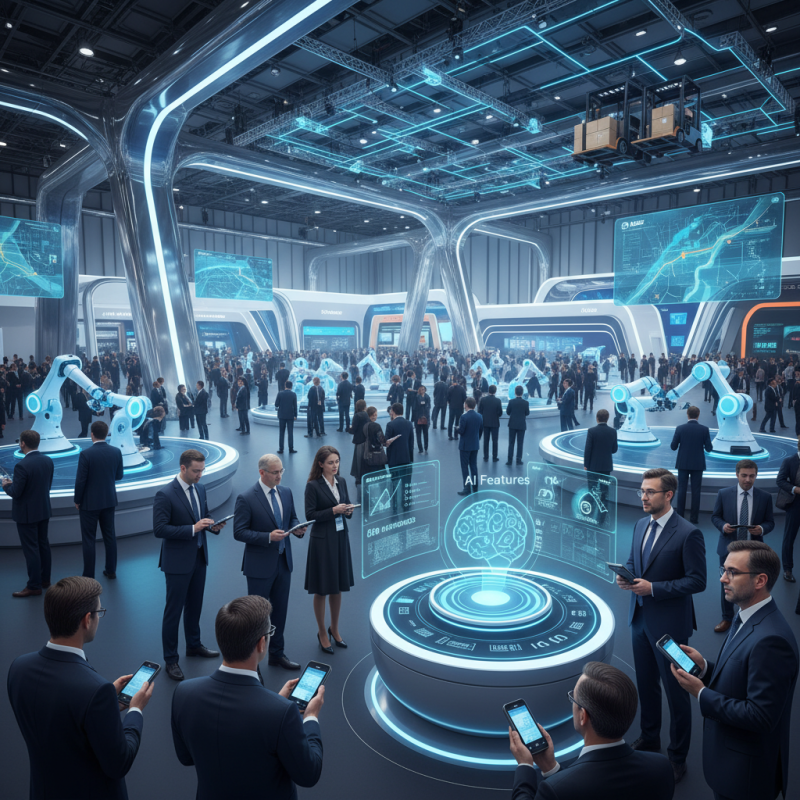
Advantages of UHF Mobile Computers at Trade Shows
UHF mobile computers are game-changers at trade shows, especially for the 2026 Canton Fair. Their ability to accurately scan and read tags over long ranges is invaluable. This technology allows exhibitors to track inventory instantly. It helps to minimize errors during transactions, which can enhance customer satisfaction.
Another key advantage is their portability. These devices are lightweight and easy to carry. Users can move freely between booths, collecting data on the go. They also connect seamlessly to networks, facilitating real-time updates. However, not all users are familiar with operating these devices. Some may struggle initially with the interface, leading to slower processes. Training might be necessary, which could take time and resources.
The rugged design of UHF mobile computers allows them to withstand the hustle and bustle of trade shows. They are built to endure drops and spills. Yet, they can also be difficult to maintain. Proper care is essential to ensure longevity. Users often overlook this, leading to operational hiccups. Reflections on these challenges can lead to better practices in deployment.
Key Features of UHF Mobile Computers for Event Efficiency
As the 2026 Canton Fair approaches, UHF mobile computers stand out for their efficiency. These devices enhance event management significantly. They streamline inventory tracking and improve communication among staff. The ease of use allows teams to focus on customer engagement.
Key features include real-time data processing. This allows for quick updates on stock and sales. Users can easily scan barcodes with high accuracy. Moreover, these devices are often lightweight and portable. They fit comfortably in hand, making them ideal for busy environments.
Another notable aspect is battery life. Long-lasting batteries ensure continuous operation throughout the event. However, some users may find charging stations difficult to locate. Additionally, integrating these devices with existing systems can be complex. Users should be prepared for a learning curve. Overall, UHF mobile computers serve as a powerful tool for optimizing event efficiency.
Impact of UHF Technology on Inventory Management at the Fair
As the 2026 Canton Fair approaches, effective inventory management becomes crucial. UHF mobile computers offer a solution for managing large volumes of products efficiently. These devices excel in scanning barcodes from various distances, which can greatly speed up the inventory process. Imagine staff members quickly locating and tracking items amidst bustling crowds. This technology enables real-time data updates, ensuring accurate stock levels are maintained.
However, implementing UHF technology is not without its challenges. There may be issues with connectivity in crowded environments. Signals can be disrupted if too many devices are in use simultaneously. Staff training is essential to maximize the benefits of these systems. A lack of understanding could lead to errors in scanning or data entry.
Despite these potential drawbacks, the advantages of UHF technology in inventory management are significant. It can help businesses avoid overstocking or stockouts. Better inventory control leads to smoother operations. With the right preparation and training, the 2026 Canton Fair can leverage UHF mobile computers to enhance overall efficiency.
Impact of UHF Technology on Inventory Management at the 2026 Canton Fair
The chart above illustrates the impact of UHF technology on various aspects of inventory management during the 2026 Canton Fair, showing the number of items scanned, sorted, packed, and shipped, highlighting the efficiency gains facilitated by UHF mobile computers.
Real-World Applications of UHF Mobile Computers in Trade Events
Trade events like the Canton Fair are bustling spaces filled with opportunities. UHF mobile computers play a crucial role in enhancing efficiency. With their ability to scan and process data quickly, exhibitors can manage inventory seamlessly. Imagine receiving real-time updates on stock levels while interacting with potential clients. This allows businesses to make informed decisions on the spot.
In addition to inventory management, UHF mobile computers facilitate enhanced communication. Vendors can share updates with team members instantly. This connectivity is vital, especially in a crowded environment. Yet, reliance on technology also brings challenges. Battery life can be a concern during long events. Users must find time to recharge devices or face downtime.
Furthermore, data security is an aspect that requires focus. With sensitive information collected, proper measures for data protection are essential. Creating a balance between innovation and security is often easier said than done. A well-planned approach to using mobile computers can significantly impact success at trade shows, but it is essential to remember these potential pitfalls.
Future Trends of UHF Mobile Computing in Global Trade Fairs
As the 2026 Canton Fair approaches, UHF mobile computers will be pivotal. Data shows that UHF technology improves inventory accuracy by 20-30%. This is critical in a fast-paced environment like trade fairs. Efficient scanning can streamline processes. Delays due to poor inventory management are costly. Companies must rethink their strategies to avoid such pitfalls.
Future trends suggest a rise in UHF mobile computing. Reports indicate that this sector will grow by over 15% annually through 2027. The integration of AI and machine learning into these devices will enhance their functionality. User experience is projected to improve as interfaces become more intuitive. However, reliance on technology raises questions about vulnerability. Data breaches may increase if proper security measures aren’t adopted.
Trade fairs will increasingly depend on digital tools. Successful exhibitors will leverage UHF mobile computers to stand out. Yet, not all companies will adapt smoothly. Some may struggle with the transition, highlighting a gap in tech adoption. This is an area for growth and reflection. Embracing change is not always easy, but it is necessary for thriving in global trade.
Why Choose UHF Mobile Computers for 2026 Canton Fair? - Future Trends of UHF Mobile Computing in Global Trade Fairs
| Feature | Importance | Expected Impact | User Adoption Rate (%) |
| Real-Time Inventory Management | Enhances stock accuracy and visibility | Reduce stock-outs and overstock situations | 85% |
| Quick Data Capture | Speeds up processing time and transaction efficiency | Increase in customer satisfaction and sales | 78% |
| Enhanced Connectivity | Facilitates communication across platforms | Streamlined operations and data integration | 90% |
| Durability in Field Use | Reduces maintenance costs | Longer lifespan of devices | 88% |
| User-Friendly Interface | Lower training costs and quicker user onboarding | Higher operational efficiency | 92% |