Top 10 Vacuum Brazing Furnace Features Buyers Must Know?
In the competitive world of manufacturing, the importance of a high-quality Vacuum Brazing Furnace cannot be overstated. Industry expert Dr. Jane Smith once stated, "Investing in the right furnace is crucial for achieving optimal results." Her insight reflects the reality that choosing the correct features can directly impact production efficiency and quality.
Understanding the top features of a Vacuum Brazing Furnace is vital for buyers. When selecting a furnace, consider the size, temperature control, and vacuum levels. Each of these factors plays a significant role in the brazing process. For instance, precise temperature control ensures uniform heating, which is essential for material integrity.
Manufacturers must evaluate their specific needs and challenges. The wrong choice could lead to inefficiencies or even project failures. The market is filled with options, but knowing what to prioritize can simplify the decision-making process. Relying on expert guidance and industry standards is essential for making informed choices.
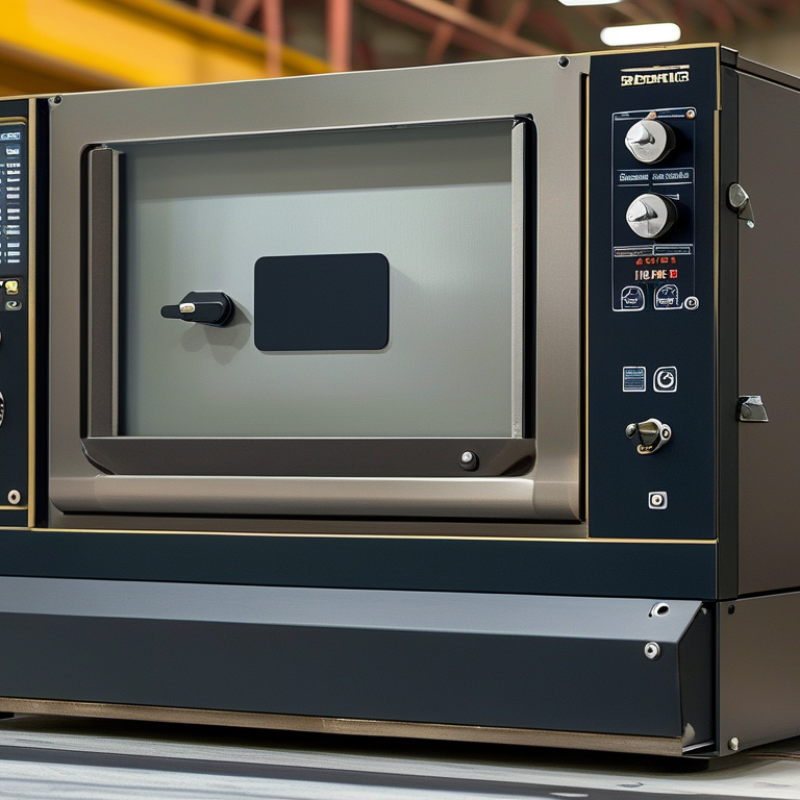
Key Specifications to Consider in Vacuum Brazing Furnaces
When selecting a vacuum brazing furnace, key specifications play a critical role. Temperature control is vital. Many furnaces operate between 900°C and 1100°C. Precise temperature management ensures consistent results, reducing production errors. Furthermore, vacuum integrity should always be evaluated. A minimum level of 10^-3 Torr is essential to prevent oxidation during brazing.
The furnace capacity is another important consideration. Capacities range from small units handling a few kilograms to larger systems capable of over a ton. Buyers must assess their production needs carefully. Additionally, consider the energy efficiency of the furnace. Data shows that energy-efficient models reduce operational costs by approximately 20%.
Tips: Evaluate your production scale before purchasing. A mismatch in capacity can lead to inefficiencies. Regular maintenance checks enhance furnace longevity. Consider monitoring systems that provide real-time data on temperature and vacuum levels. This proactive approach can highlight areas needing improvement.
Top 10 Vacuum Brazing Furnace Features Buyers Must Know
The Importance of Temperature Control in Efficient Brazing Processes
Temperature control is crucial in vacuum brazing processes. Precise temperature regulation ensures that the brazing filler material flows correctly. It also facilitates proper adhesion and strengthens the bond between metals. With temperature variances, defects like cracks or weak joints can occur. Maintaining a stable temperature is a necessity.
The complexity of temperature management requires specialized expertise. Many factors affect heat distribution within a furnace. Variations in material thickness can lead to uneven heating. This can result in suboptimal outcomes. Regular calibration of temperature sensors can mitigate such issues. Operators must understand the nuances of their specific processes.
Investing in advanced temperature control systems can enhance overall efficiency. Ideally, these systems should provide real-time data and alerts. Monitoring temperature trends can reveal patterns that inform best practices. Achieving consistency in brazing is a goal worth pursuing. However, some manufacturers still overlook these details. Incomplete temperature regulation can lead to costly errors. Recognizing the importance of temperature control is a fundamental step toward successful brazing.
Vacuum Levels: Understanding Their Role in Achieving High-Quality Joints
Vacuum levels play a pivotal role in the vacuum brazing process. The quality of the joints produced is heavily influenced by the vacuum environment. A study by the National Institute of Standards and Technology (NIST) suggests that a vacuum level of 1 x 10^-6 Torr is optimal for achieving high-strength joints. At this level, contaminants are effectively removed, ensuring better metal-to-metal contact.
However, maintaining such vacuum levels can be a challenge. The equipment must be properly calibrated to prevent air leaks. Even a tiny leak can compromise the quality of joints, resulting in weak bonds. Research shows that improper vacuum levels can lead to a 20% decrease in joint strength. This emphasizes the need for meticulous monitoring and maintenance during production.
Additionally, the understanding of vacuum levels extends beyond just achieving a clean environment. Different materials require specific vacuum conditions for optimal results. For instance, aluminum alloys may need different vacuum settings compared to stainless steel. This specificity underscores the complexity of the process and the necessity for precision. Without proper attention to vacuum levels, manufacturers might face increased production costs and lower product reliability.
Top 10 Vacuum Brazing Furnace Features Buyers Must Know
| Feature | Description | Importance | Typical Vacuum Level (Torr) |
| Heating Method | Induction or resistance heating for uniform temperature. | Essential for consistent results. | 10-3 - 10-5 |
| Control System | Automated controls for precise monitoring. | Critical for reproducibility. | 10-3 - 10-6 |
| Material Compatibility | Capability to work with various metals. | Influences application range. | 10-4 - 10-6 |
| Chamber Size | Dimensions to accommodate various workpieces. | Affects production capacity. | 10-4 - 10-5 |
| Cooling System | Effective cooling to prevent overheating. | Helps maintain material integrity. | 10-5 - 10-7 |
| Vacuum Pump Quality | Reliable pumps for effective vacuum creation. | Critical for achieving desired vacuum levels. | 10-6 - 10-7 |
| Safety Features | Includes alarms and emergency shut-offs. | Vital for operator safety. | 10-5 - 10-6 |
| Energy Efficiency | Energy-saving designs and components. | Reduces operational costs. | 10-3 - 10-6 |
| Maintenance Requirements | Ease of maintenance and part replacement. | Important for uptime and longevity. | 10-4 - 10-5 |
| Cost of Ownership | Initial investment and operating expenses. | Affects profitability. | N/A |
Material Compatibility: Matching Furnaces with Various Base Metals
When selecting a vacuum brazing furnace, material compatibility is crucial. Different metals behave uniquely under high temperatures. Copper, aluminum, and steel require distinct approaches. For example, copper's thermal expansion rate can lead to issues if not matched with an appropriate furnace design. Understanding these differences is essential to avoid costly mistakes.
Furnaces should be compatible with the base metals being used. Not all furnaces achieve the same temperatures. Some may not maintain a uniform atmosphere suitable for specific alloys. This could affect bond strength and overall quality of the finished product. If you often switch between different metals, consider a versatile furnace. Lack of adaptability can hinder production efficiency.
Miscommunication about material requirements can lead to serious challenges. A furnace that excels in one area may fall short in another. Testing settings and parameters across different metals can be tedious. It's wise to assess the furnace's performance regularly. This kind of reflection helps ensure consistent quality in your brazing processes.
Energy Efficiency Standards: Impact on Operational Costs and Sustainability
Energy efficiency standards are increasingly shaping the operational landscape for vacuum brazing furnaces. These standards dictate how much energy a furnace consumes during its operation. Many manufacturers are adjusting their designs to align with these regulations. This shift is not just about compliance; it's about minimizing operational costs.
Lower energy consumption can lead to significant savings over time. A furnace that operates efficiently reduces electricity bills, thereby enhancing sustainability. Additionally, using less energy lowers the carbon footprint of manufacturing processes. Companies are recognizing this link between efficiency and responsibility.
Yet, energy-efficient designs might come with upfront costs that buyers should consider. Not all energy-efficient models are created equal. Some may offer lower performance or longer cycle times. This balance of cost and efficiency can be challenging. Buyers need to evaluate both immediate needs and long-term impacts.
Making informed decisions based on real data is vital. Investing in energy efficiency can lead to substantial operational benefits. Yet, constant reflection on these choices is essential for continuous improvement.