Top Ultrafiltration Systems at the 139th Canton Fair 2026?
The 139th Canton Fair in 2026 will showcase cutting-edge technologies and diverse industries. Among them, Ultrafiltration Systems stand out as essential components in water purification and industrial processing. The exhibition runs from April 15 to May 5, highlighting various sectors, including advanced manufacturing and healthcare.
Exhibitors will present innovative Ultrafiltration Systems that meet the highest standards. Visitors can explore products certified by ISO and CE, ensuring quality and reliability. The fair’s AI features will assist buyers in navigating the vast 1.55 million square meters of exhibits. Efficient path planning enhances the experience but raises questions about personal interaction and traditional networking.
Attention to detail, such as system capacity and energy efficiency, will be crucial. However, potential flaws in some Ultrafiltration Systems may prompt critical evaluation. The future lies in collaboration and continuous improvement, pushing the boundaries of technology. As the fair approaches, stakeholders must reflect on both achievements and areas needing development in Ultrafiltration Systems.
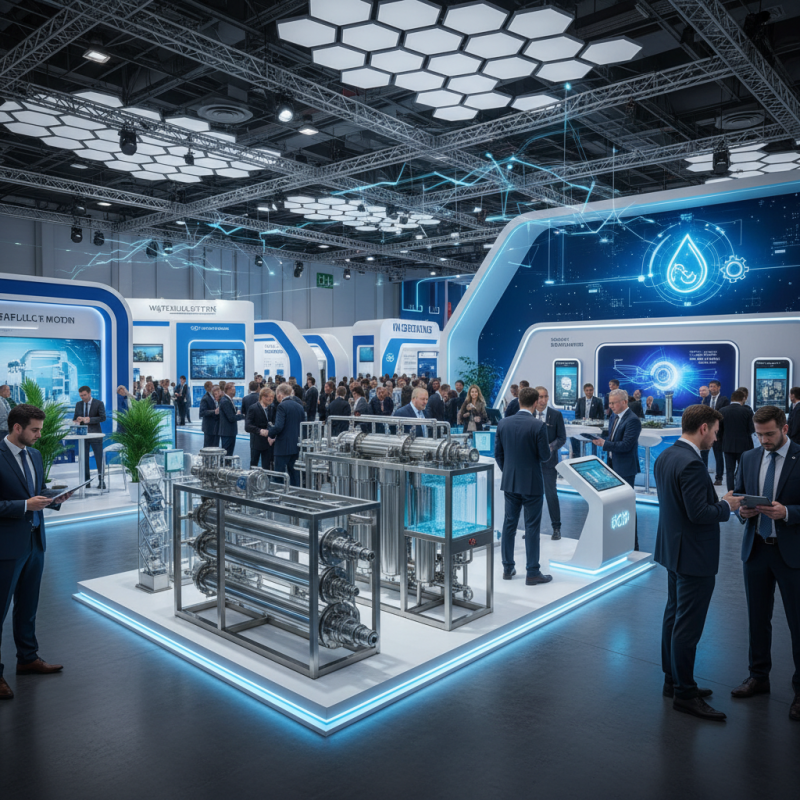
Top Ultrafiltration Systems at the 139th Canton Fair: Overview of Key Features
The 139th Canton Fair in 2026 showcases some of the most advanced ultrafiltration systems. These systems are essential in water treatment, offering high-quality filtration at efficient rates. Key features include compact designs, energy efficiency, and low maintenance requirements. According to industry reports, ultrafiltration membranes can achieve particle removal down to 0.01 microns. This capability is critical for producing clean drinking water.
Many exhibitors highlighted the use of innovative materials in their systems. Advances in polymer technology have made membranes more robust and effective. For example, some systems now incorporate hydrostatic pressure advancements. These advancements can improve flow rates by up to 30%. However, not all systems maintain such efficiencies under varying conditions. Water quality and temperature can impact performance, an area that requires further exploration.
Market trends suggest a growing need for ultrafiltration in industrial applications. As freshwater resources dwindle, companies look to these systems for sustainable solutions. However, the adoption rate varies significantly across regions. Some areas embrace this technology rapidly, while others lag behind. Understanding the nuances of local regulations can help drive better implementation. The need for customer education remains crucial.
Top Ultrafiltration Systems at the 139th Canton Fair 2026
This chart illustrates the filtration capacities of various top ultrafiltration systems showcased at the 139th Canton Fair in 2026. System D stands out with the highest capacity, making it a notable option for large-scale filtration needs.
Market Trends in Ultrafiltration Technology: Insights from Recent Data
Ultrafiltration technology has significantly evolved in recent years. Recent data indicates a growing demand for efficient water purification systems. This trend is especially notable in industrial applications. Companies are seeking solutions that not only enhance water quality but also conserve energy.
At the 139th Canton Fair in 2026, visitors can explore various ultrafiltration systems. These systems are designed to address increasingly strict environmental regulations. However, not all solutions are equally effective. There is a noticeable variability in performance. Some systems fail to meet the necessary standards.
An intriguing aspect is the integration of smart technology. Many ultrafiltration units now feature real-time monitoring. This aids in maintaining optimal performance. Yet, some users find the complexity overwhelming. Additionally, the cost of advanced systems can be a barrier for smaller businesses. Balancing cost and technology remains a challenge. Engaging with potential customers' concerns is essential for future developments.
Performance Comparisons: Leading Ultrafiltration Systems of 2026
The ultrafiltration market is evolving rapidly. At the 139th Canton Fair in 2026, several systems stand out. Performance comparisons indicate significant advancements. According to the latest industry report, high-efficiency ultrafiltration systems can reduce contaminants by up to 99%. This is critical for both industrial and residential applications.
One notable trend is the increased focus on energy efficiency. Systems now consume 30% less power than models from just a few years ago. However, not all systems meet performance expectations. R&D teams need to address reliability issues. Some units struggle with membrane fouling, which can compromise effectiveness. An analysis of user feedback reveals a demand for solutions that
minimize maintenance frequency while maintaining output quality.
Many ultrafiltration systems now boast a lifespan of 5-10 years, but many users report a decline in performance after 3 years. Concerns around replacement costs are growing. It's clear that while technology is advancing, operators need to be vigilant about choosing systems that provide sustainable performance and efficiency over time. The 2026 Canton Fair will likely shed more light on these emerging challenges and innovations.
Sustainability in Ultrafiltration: Eco-Friendly Innovations Presented
The 139th Canton Fair showcased remarkable ultrafiltration systems. These innovations highlight a shift towards sustainability in water treatment. Many companies presented eco-friendly solutions that caught the attention of visitors.
For instance, several systems utilize renewable energy sources. Solar or wind power reduces the carbon footprint during operation. Various designs also focus on minimizing waste. This could lead to a more circular economy in water management. However, there are challenges. Some technologies still remain costly for widespread adoption.
Moreover, not every product presented was flawless. Many systems had limitations in scalability. The diverse range of materials used raised questions about long-term durability. It’s essential to continue evaluating these innovations. Sustainability must become a core principle in future developments. Only then can we truly embrace eco-friendly practices in ultrafiltration.
Top Ultrafiltration Systems at the 139th Canton Fair 2026
| System Type | Membrane Material | Flux Rate (L/h/m²) | Energy Consumption (kWh/m³) | Application | Sustainability Features |
| Compact Ultrafiltration | Polyethersulfone | 60 | 1.2 | Water Treatment | Low energy, recyclable membranes |
| Modular UF System | PVDF | 75 | 1.5 | Industrial Wastewater | Modular design for easy upgrades |
| Integrated UF System | Ceramic | 50 | 0.8 | Food Processing | Long lifespan, low maintenance |
| High-Performance UF | Polymeric | 80 | 1.0 | Municipal Water | Low waste production, eco-design |
Future Directions: Advancements in Ultrafiltration Systems at the Fair
The 139th Canton Fair in 2026 showcased significant advancements in ultrafiltration systems. These innovations are crucial for water treatment and industrial applications. Ultrafiltration efficiently removes tiny particles and microorganisms, ensuring high-quality water supply. The fair highlighted various designs and technologies, sparking interest among attendees.
New materials used in ultrafiltration membranes were a focal point. Many vendors presented options that reduced fouling and improved life span. Some systems also achieved higher permeate flow rates. However, there were challenges, including integration with existing systems. The balance between cost-effectiveness and high efficiency remained a topic for discussion.
Moreover, sustainability also took center stage. Many solutions aimed at reducing energy consumption and chemical usage. While the advancements looked promising, questions arose about long-term maintenance. Participants expressed the need for continuous innovation in this vital field. The dialogues at the fair reflect a commitment to future enhancements in ultrafiltration technology.