
Top 10 Types of Wire for Thermal Spray Applications?
Thermal spray applications have gained popularity across various industries. Choosing the right Wire for Thermal Spray is key to achieving optimal results. This process involves coating surfaces with materials to enhance performance and durability.
Different types of wire for thermal spray exist, each serving a unique purpose. Selecting the appropriate wire can be challenging. Factors like material composition, coating thickness, and application technique must be considered.
Understanding these aspects is essential. Quality wires contribute to better adhesion and finish. Innovations in materials continue to improve performance. However, not all wires are created equal. It’s vital to explore various options and remain informed about advances in the field.
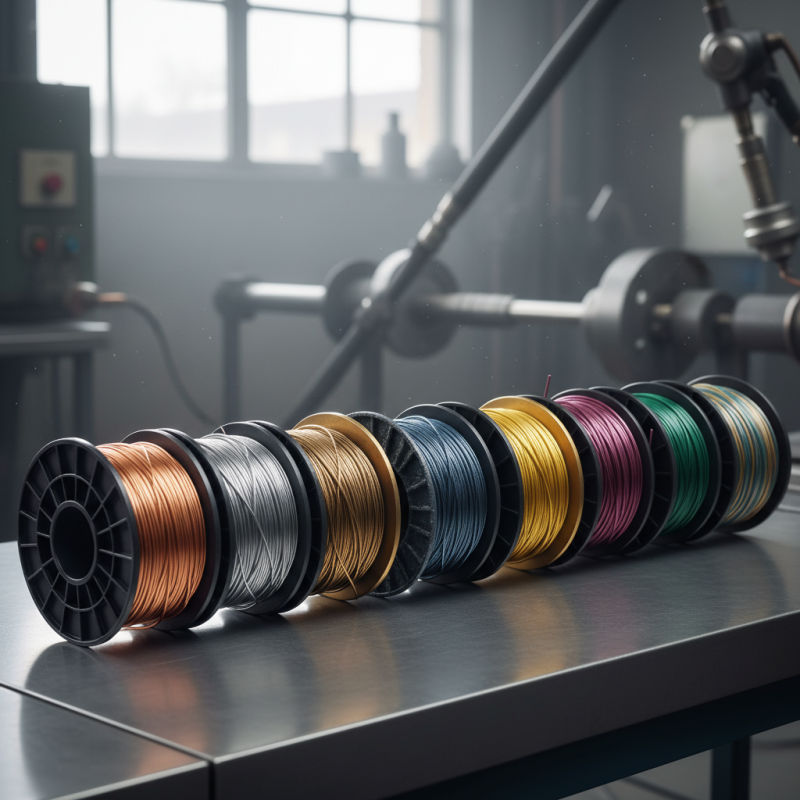
Types of Wire Used in Thermal Spray Processes for Surface Coatings
Thermal spray processes rely heavily on various types of wire for effective surface coatings. Commonly used wires include those made of metal alloys, ceramic materials, and polymers. Each type offers distinct advantages. For instance, metal wires are typically favored for their superior adhesion strength. Ceramic wires, on the other hand, excel in high-temperature resistance. According to industry reports, over 60% of thermal spray applications involve metal wire due to its versatility.
Another crucial aspect is the diameter of the wire. Typically, diameters range from 0.8 mm to 2 mm. Finer wire can lead to better surface finish and detail. However, finer wires also require careful handling to prevent breakage. Recent studies indicated that larger diameter wire can enhance deposition rates, but at the expense of coating quality. Many professionals in the field recommend a limited use of larger wires for intricate work.
The choice of wire also impacts operational costs and productivity. Industry trends suggest that automating the wire feeding process can double output efficiency. However, automation requires investments that not all companies can justify. Balancing cost, quality, and productivity remains a challenge in the decision-making process. Many operators reflect on the ongoing learning curve when selecting the appropriate wire type for specific applications.
Top 10 Types of Wire for Thermal Spray Applications
| Type of Wire | Material Composition | Key Properties | Common Applications |
|---|---|---|---|
| Nickel-Chromium Alloy | Nickel, Chromium | High corrosion resistance, good toughness | Aerospace, automotive components |
| Cobalt Alloy | Cobalt, Chromium | Excellent wear resistance, high-temperature stability | Cutting tools, industrial machinery |
| Aluminum Wire | Aluminum | Lightweight, good thermal conductivity | Electrical components, heat exchangers |
| Stainless Steel Wire | Iron, Carbon, Chromium, Nickel | Corrosion resistance, high strength | Marine, chemical processing industries |
| Zinc Wire | Zinc | Cathodic protection, low melting point | Corrosion protection, piping systems |
| Titanium Wire | Titanium | High strength-to-weight ratio, corrosion resistance | Aerospace, medical implants |
| Copper Wire | Copper | Excellent electrical conductivity, good ductility | Electrical applications, plumbing |
| Molybdenum Wire | Molybdenum | High melting point, great thermal stability | Aerospace, electronics |
| Inconel Wire | Nickel, Chromium, Iron | Heat resistance, oxidation resistance | Aerospace, chemical processing |
| Steel Wire | Iron, Carbon | Strength, durability | Construction, manufacturing |
Characteristics and Composition of Thermal Spray Wire Materials
The performance of thermal spray applications heavily relies on the wire materials used. Different compositions deliver unique properties ideal for specific scenarios. Typically, these wires can consist of metals, ceramics, or a combination of both. For instance, nickel-chromium wires offer excellent oxidation resistance, while cobalt-based wires are often noted for their wear resistance. In various studies, such as those from the Thermal Spray Association, nickel and cobalt coatings demonstrate durability, ensuring longevity in harsh operating environments.
The composition greatly influences the thermal spray wire's characteristics. For example, aluminum wires show strong adhesion to substrates. They provide corrosion resistance, crucial in industries like aerospace and marine. Additionally, ceramic wires are gaining attention due to their lightweight yet durable nature. However, adapting to various thermal spray processes can be challenging. Factors such as heat management and wire feed speed must be carefully controlled. A lack of precision in these areas may lead to defects in the coating, compromising performance.
Understanding these dynamics is vital for engineers. They must consider the specific application requirements. Even small variations in the wire composition can result in significant differences in performance. Industry reports indicate that a tailored approach to wire selection can enhance efficiency and reduce costs. Achieving the optimal balance between material properties and process compatibility remains a challenge in the field.
Comparison of Wire Diameter and Feed Rate in Thermal Spray Applications
When selecting wires for thermal spray applications, two factors stand out: wire diameter and feed rate. The diameter of the wire significantly affects the melting characteristics during the spraying process. Thicker wires tend to produce larger particles, which can enhance coating thickness but may also lead to uneven distribution. In contrast, thinner wires facilitate finer particles but may require more precise control to avoid clogging.
Feed rate is another critical parameter. It determines how quickly the wire is consumed during spraying. A high feed rate may increase productivity but risks compromising coating quality. A slower feed rate allows for better melting and adhesion, enhancing the overall effectiveness of the application. However, achieving the right balance is challenging. If the feed rate is too low, it can lead to increased wear on the equipment and downtime.
Understanding these dynamics is vital for successful thermal spray processes. The importance of experimentation cannot be overstated. Each application may require a unique combination of wire diameter and feed rate. Finding the right setup involves trial and error, often leading to insights and improvements. As with many industrial processes, the path to optimal performance is paved with both successes and failures.
Impact of Wire Quality on Coating Performance and Adhesion Strength
The quality of wire used in thermal spray applications significantly influences the coating’s performance and adhesion strength. High-quality wires contain fewer impurities. Impurities can lead to defects in the coating, reducing its durability. Proper wire selection not only enhances the coating's structural integrity but also improves its resistance to wear. A good wire should produce uniform droplets during spraying. This uniformity is crucial for achieving a consistent coating thickness.
Tips for choosing wire: Always examine the wire manufacturer’s specifications. Look for less than 0.5% impurities. Additionally, consider the melting point of the wire. A lower melting point may not adequately bond with some substrates. Understand your application’s environment too. Different environments demand different wire compositions to optimize adhesion.
Wires with adequate quality can be more expensive. However, investing in superior quality yields better results. Poor adhesive strength often results from subpar wire performance. It’s vital to assess the long-term effects of wire quality on the coatings applied. Regular equipment maintenance can also impact the final output, reinforcing the importance of thorough checks. Choose wisely to avoid disappointing results.
Top 10 Types of Wire for Thermal Spray Applications
This chart displays the adhesion strength for the top 10 types of wire used in thermal spray applications, highlighting how the quality of wire affects coating performance.
Applications and Industry Standards for Thermal Spray Wire Types
Thermal spray technology is crucial in various industries, including aerospace, automotive, and energy. Different types of wire are utilized for thermal spray applications, each adhering to specific industry standards. The wire materials can significantly impact the performance and durability of coated components. For instance, data from the Thermal Spray Society indicates that more than 60% of thermal spraying is done using wire. Stainless steel, aluminum, and ceramic wires are among the most common types used.
When selecting wire for thermal spraying, understanding the application's requirements is vital. For example, industries focusing on corrosion resistance prefer stainless steel wires due to their inherent properties. Meanwhile, ceramic wires are ideal for heat-resistant coatings in high-temperature applications. It's essential to consider factors like bond strength, wear resistance, and how the chosen wire might align with the material substrate.
Tips: Always review the latest industry standards and certifications related to thermal spray materials. Demonstrating a commitment to quality can make a significant difference in performance. Additionally, ensure proper training for your team on wire handling. This knowledge can prevent common errors, such as incorrect feed rates, which can affect coating quality and efficiency. Understanding the nuances of different wire types fosters reliability in the spraying process.