Top Quality Fiberglass Mat for Global Buyers How to Choose?
In today's competitive market, selecting the right Fiberglass Mat is crucial for both manufacturers and end-users. According to a recent industry report by MarketsandMarkets, the global fiberglass market is projected to reach $25.2 billion by 2027, with a significant focus on composite materials. This growth underscores the increasing importance of quality materials in construction, automotive, and aerospace sectors. The right Fiberglass Mat can enhance durability and performance in these applications.
Quality is paramount when choosing a Fiberglass Mat. As per a study by Transparency Market Research, 60% of industry leaders emphasize the necessity of high-quality raw materials for long-lasting products. However, not all fiberglass mats are created equal. Buyers must consider weight, thickness, and resin compatibility. A poor choice can lead to failures in production processes or end products, causing costly delays.
Understanding specific requirements is vital, and the selection process should not be hurried. Mistakes can arise from overlooking details like manufacturing standards or environmental factors. Reflecting on past choices can offer valuable insights. Ultimately, informed decision-making will lead to enhanced product quality and customer satisfaction.
Understanding Fiberglass Mat: Key Characteristics and Types
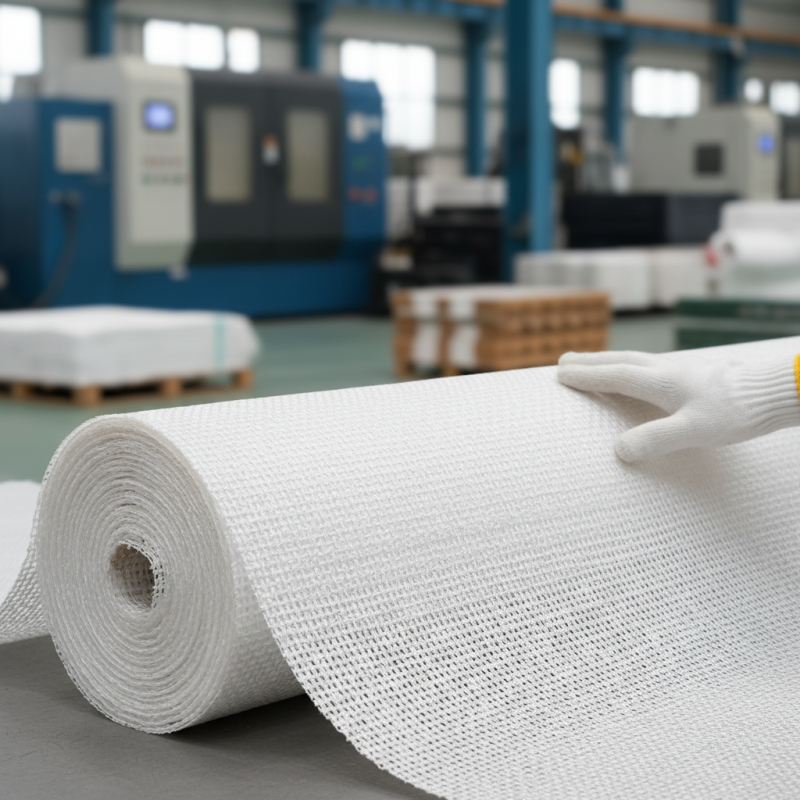
Fiberglass mat is essential in various industries, offering versatility and strength. Two main types exist: chopped strand mat and woven roving. Chopped strand mat consists of randomly oriented fibers, providing excellent coverage and quick lay-up time. It's primarily used in applications needing quick curing time and robust strength. Woven roving, on the other hand, features continuous fibers woven together. This type offers higher tensile strength and is suitable for structural components.
When selecting fiberglass mat, several key characteristics come into play. Weight and thickness significantly influence performance. Heavier mats generally offer better mechanical properties. However, they may require more resin, which could affect project costs. Another aspect to consider is the mat’s compatibility with resin types. Not all mats bond well with every resin. Researching compatibility ensures optimal performance and durability.
Potential buyers should also reflect on sourcing practices. Quality control varies across suppliers. It's vital to ensure that the manufacturer adheres to industry standards. Inconsistent quality can lead to project failures. Investigating supplier reputation might reveal crucial insights. Seeking detailed product specifications improves decision-making, but it requires effort and diligence.
Factors to Consider When Choosing Fiberglass Mat for Your Needs
When selecting fiberglass mats, understanding the factors that matter is essential. The composition of the mat affects its durability and strength. A high glass content typically indicates better quality. According to industry reports, fiberglass mats with over 30% glass content tend to perform better in demanding applications.
The thickness of the mat also plays a crucial role. Standard thickness ranges from 0.2 to 0.5 mm. Thicker mats provide additional strength but may not always be necessary for every application. It’s vital to align the mat’s specifications with your project needs, as excessive thickness can lead to unnecessary weight and cost.
Tips: Look for mats that offer a good balance between weight and strength. Consider the application environment. Warmer environments may require mats with heat-resistant properties. Additionally, be aware of environmental factors that could affect the mat's performance over time. Always request samples before making a larger purchase.
Evaluating Quality: Standards and Certifications for Fiberglass Mat
When choosing fiberglass mats, understanding quality standards is vital. Certifications like ISO ensure that materials meet specific benchmarks. These standards can reflect strength, durability, and performance, making them essential for global buyers. A robust mat won’t just fulfill basic requirements; it must also withstand challenging conditions.
Tips: Always verify certifications. Don’t hesitate to ask suppliers for documentation. It reflects their commitment to quality.
Another aspect of quality evaluation is fiber content. High-quality fiberglass mats consist of a higher percentage of glass fibers. Look for uniformity in texture and color to ensure consistent performance. Visual inspections can often reveal defects that certifications might miss.
Tips: Request samples before making large purchases. Analyze the mats under actual working conditions if possible. It's an opportunity to detect any shortcomings.
Applications of Fiberglass Mat in Various Industries
Fiberglass mat has gained traction across various industries due to its unique properties. The construction sector uses it for insulation and reinforcement. Builders appreciate its lightweight nature and resistance to corrosion. These mats can improve structural integrity, which helps in the longevity of buildings. An example is their use in roofing systems, offering a robust barrier against harsh weather conditions.
In the automotive sector, fiberglass mats play a crucial role. They are used in composite materials, enhancing vehicle performance while reducing weight. This contributes to better fuel efficiency. However, it's important to ensure proper application during the manufacturing process. Any error might compromise the product.
Moreover, the aerospace industry benefits significantly from fiberglass mat applications. The material's strength-to-weight ratio is essential in aircraft design. Yet, the handling of fiberglass requires proper training to avoid potential health hazards. Users must wear protective gear when working with these materials. Overall, understanding the diverse applications of fiberglass mat helps in making informed choices for various industry needs.
Top Quality Fiberglass Mat for Global Buyers - Applications of Fiberglass Mat in Various Industries
| Industry | Application | Benefits of Fiberglass Mat | Type of Fiberglass Mat |
| Construction | Roofing, Insulation | Lightweight, Durable | Chopped Strand Mat |
| Automotive | Body Panels, Structural Components | Corrosion Resistant, Lightweight | Woven Roving |
| Marine | Boat Hulls, Decks | Waterproof, High Strength | Continuous Filament Mat |
| Wind Energy | Turbine Blades | High Impact Resistance, Lightweight | Multi-Axial Mat |
| Construction | Walls, Floors | Fire Retardant, Sound Insulation | Needle Mat |
Top Suppliers and Global Market Trends for Fiberglass Mat
Selecting the right fiberglass mat for your needs is critical in today's global market. Many suppliers offer various types of fiberglass mats tailored to specific applications. These mats can differ in weight, thickness, and type of resin used. Understanding these differences is necessary for optimal performance.
Market trends indicate a growing demand for high-strength, lightweight materials. As industries evolve, innovations in fiberglass technology are emerging. Buyers should focus on suppliers that invest in research and development. Sustainability is becoming increasingly important. Look for suppliers who prioritize eco-friendly materials and processes.
Communication with suppliers is key. Establish rapport and discuss your requirements thoroughly. This can clarify any doubts and ensure you receive the right product. Sometimes, feedback from previous customers is overlooked. Reading reviews can provide insights into the reliability of the supplier. Overall, being informed and intentional in your selection will lead to better purchasing decisions.