Top 10 Post Hole Drills You Need for Your Next Project?
When tackling outdoor projects, choosing the right tools is essential. One tool that stands out is the post hole drill. This device makes digging post holes for fences, decks, and plantings much easier. However, not all post hole drills are created equal. Some may be too heavy or lack power, leading to frustration and wasted time.
Selecting a post hole drill involves considering various factors. You'll want to evaluate the drill's size, power source, and usability. A good post hole drill should not only be efficient but reliable in various soil types. Many users may overlook these considerations, leading to mistakes in their projects.
This guide presents the top 10 post hole drills you need for your next project. Each option has unique features that cater to different needs. From handheld models to sturdy augers, there’s a perfect fit for everyone. Investing in the right post hole drill can save both effort and time. Let’s explore these essential tools to ensure successful digging for your next project.
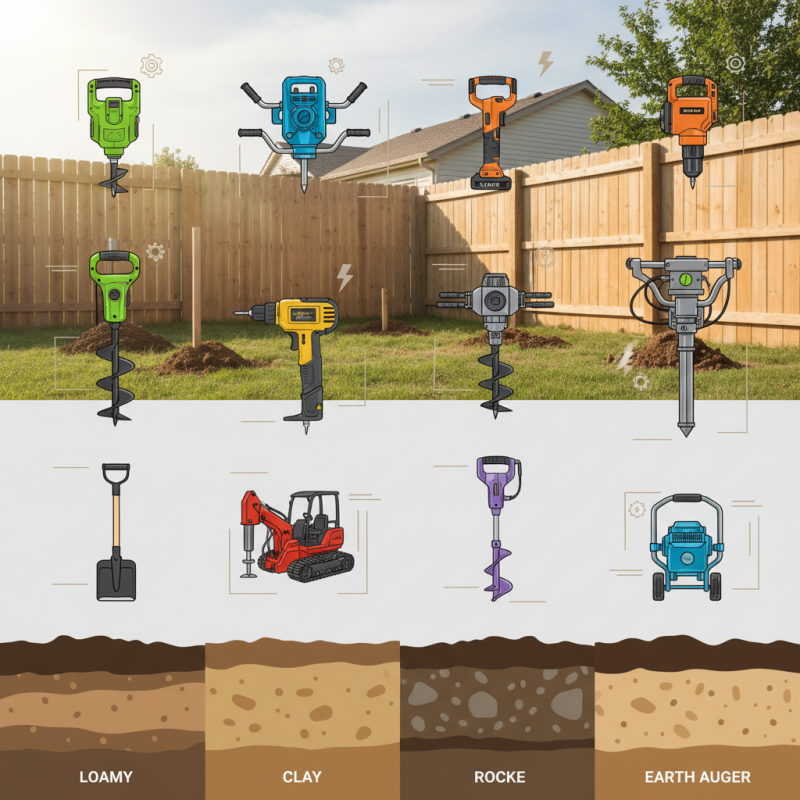
Top Features to Consider in Post Hole Drills for Efficiency
When selecting post hole drills for your next project, consider key features that enhance efficiency and performance. One critical factor is the drill's auger design, which significantly impacts digging speed and soil displacement. According to industry research, augers with a spiral design can reduce drilling time by up to 25%. This efficiency is essential for both professional contractors and DIY enthusiasts, as it can considerably lower labor costs.
Another vital feature is the power source of the drill. Gas-powered models deliver high torque and are suitable for large, tough jobs. Electric drills, however, are quieter and better for residential use. A study from the Construction Equipment Association notes that nearly 60% of users prefer electric drills for home projects due to their ease of use. Additionally, user comfort should not be overlooked. Ergonomically designed handles allow for better control, preventing fatigue during prolonged use.
Moreover, the weight of the drill impacts mobility. Lightweight models are easier to maneuver but may lack the depth needed for some applications. It’s essential to find a balance between weight and power. Often, contractors report issues when switching between models that affect consistency. Addressing these considerations can lead to better project outcomes and satisfaction in the long run.
Types of Post Hole Drills: Manual vs. Powered Options
When choosing post hole drills, the options can be categorized into manual and powered devices. Manual drills, like augers, are often lighter and more portable. They require physical effort to operate. This makes them a good choice for small jobs or soft soil. Using a manual drill allows for greater control but can be exhausting, especially for larger projects.
Powered post hole drills are designed for efficiency and speed. They come in electric or gas options, suitable for tough soil conditions. Many find powered drills save time and energy, especially on bigger tasks. However, they can be bulky and might not fit into tighter spaces. Like any equipment, they have a learning curve. Misuse can lead to less effective results, so understanding your tool is crucial.
Investing in a drill means considering your project's size and scope. Manual options might suffice for simple tasks. Yet, powered drills could be essential for more demanding installations. Each type has pros and cons. Contemplating these can help craft your strategy, ultimately leading to successful outcomes.
Best Practices for Using Post Hole Drills in Various Soil Conditions
When using post hole drills, understanding soil conditions is essential. According to the USDA's Natural Resources Conservation Service, soil texture affects drilling efficiency. For example, sandy soil allows easy penetration, while clay can be challenging. Professionals recommend adjusting drill speed and pressure based on soil type. This approach minimizes wear on the drill.
In rocky conditions, it's crucial to use high-quality, sharp bits. Dull bits struggle and can stall the process. A report from the International Association of Drilling Contractors found that more than 30% of drilling issues stem from equipment not suited for specific soil types. Tackling these challenges requires experience and knowledge.
For softer soils, slightly increasing the drill size may help. However, over-drilling can lead to instability for posts. Feedback from contractors often emphasizes the importance of adapting techniques. Flexibility in approach can lead to better project outcomes and efficiency. Understanding variations in soil conditions can profoundly impact your project’s success.
Safety Precautions When Operating Post Hole Drills
When operating post hole drills, safety should be your top priority. These powerful tools can be dangerous if mishandled. Always wear appropriate safety gear, including gloves, goggles, and sturdy footwear. These items can greatly reduce the risk of injury. Ensure that your workspace is clear of obstructions and electrical wires. A tidy area prevents accidents.
Before you start drilling, inspect the equipment carefully. Check for any signs of wear that could lead to failure. Also, familiarize yourself with the drill's operations. Take time to read the user manual. If you’re new to post hole drilling, practice on a softer surface first. It helps to build confidence and improve your technique. Never rush the process; haste can lead to mistakes.
Remember, it’s important to be aware of your surroundings while drilling. Call out to inform others nearby about your work. Be cautious of shifting soil or rocks that could pose risks. Maintaining control over the drill is essential. Sometimes, you might face challenges, like hitting an underground pipe. Stay calm and assess the situation carefully. Safety is not just about having the right gear; it’s also about mindset and preparation.
Comparative Analysis of Leading Post Hole Drill Brands in 2023
When it comes to selecting a post hole drill, understanding the landscape of available options is vital. Industry reports indicate that electric models dominate the market as they provide consistent power and require less physical effort. In contrast, gas-powered models are favored for their portability, particularly in remote areas. Data from the International Association of Equipment Manufacturers shows that the demand for lightweight options has risen by 30% over the past two years, reflecting a shift in user preferences.
Performance is not the only consideration. User reviews highlight minor issues with some brands, such as overheating during extended use and challenges with consistent depth control. About 20% of users expressed dissatisfaction in surveys, seeking more reliable depth indicators. Additionally, the durability of drill bits remains a concern; some wear out faster than expected, reducing their overall effectiveness.
As environmental considerations rise, manufacturers are experimenting with eco-friendly models. Reports suggest that nearly 25% of consumers are willing to pay a premium for battery-operated drills that reduce carbon footprints. This trend indicates a growing awareness of sustainability in tool selection, pushing brands to innovate. However, preliminary tests have shown that battery life may sometimes fall short of expectations, prompting further research and development. Balancing performance with sustainability will be crucial for the future of post hole drills.
Top 10 Post Hole Drills - Performance Comparison