Top PDA Barcode Scanner Manufacturers for Global Buyers
A reliable Pda Barcode Scanner can keep orders moving through a busy warehouse, a delivery route, or a crowded retail counter. The right device reads worn labels, survives daily handling, and sends accurate data to the systems teams already use. The wrong choice creates delays. Small details matter.
“Without data, you’re just another person with an opinion,” is a line often attributed to quality-management expert W. Edwards Deming. It is not a scanner-specific statement, but it fits procurement well: compare measurable performance, not polished promises. Check scan speed on the barcodes your staff actually sees. Ask how long batteries last during a full shift. Look closely at drop protection, operating-system support, connectivity, warranty terms, and service availability in your region. A glossy specification sheet can still leave gaps.
This guide reviews leading PDA barcode scanner manufacturers for global buyers, with attention to product range, durability, integration, and after-sales support. It also considers how distributors, software compatibility, and local service affect the real cost of ownership. A device may look ideal in a test room and feel awkward with gloves on. That is worth checking. No manufacturer is perfect for every workflow, and published specifications rarely tell the whole story. Practical trials, clear questions, and careful comparison make the shortlist more dependable.
What PDA Barcode Scanners Are and How They Work
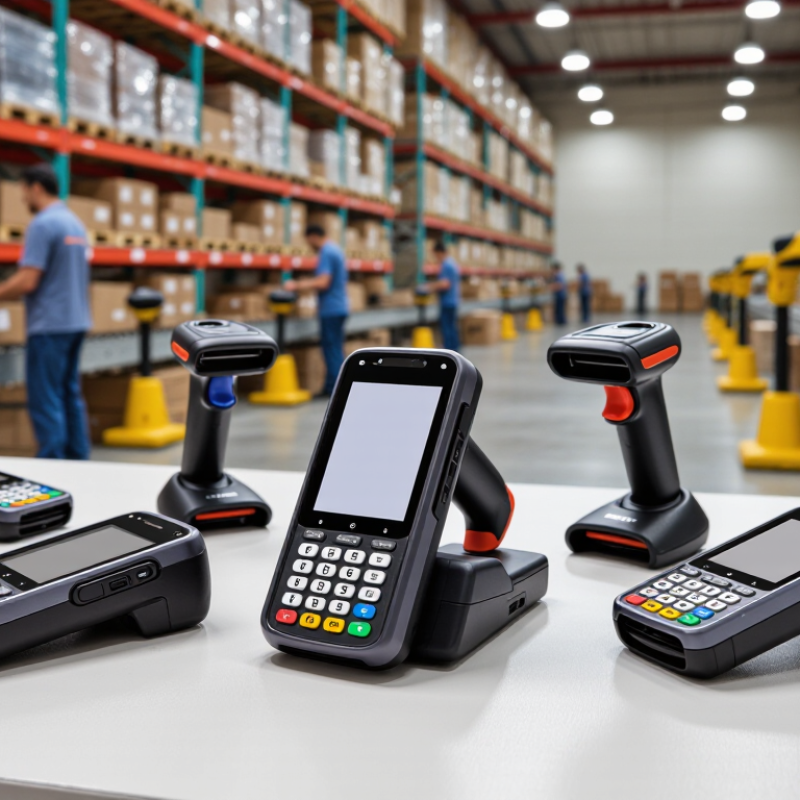
A PDA barcode scanner is a handheld computer with an integrated barcode reader, touchscreen, and wireless connection. In a warehouse, a worker can scan a carton, view its item details, and confirm its location on the screen. The scanner’s imaging sensor captures the barcode; software decodes its pattern into characters or numbers. A warehouse application then checks that data against an inventory record. The device may return a simple confirmation—or flag a mismatch.
Small device. Big responsibility.
Many models read both one-dimensional barcodes and two-dimensional codes, even when labels are slightly angled or poorly lit. Wi-Fi or cellular connectivity sends scan events to inventory systems, helping teams update receiving, picking, and stock counts. MHI’s 2023 Annual Industry Report found that 87% of surveyed supply-chain professionals expected digital supply chains to become the predominant business model by 2026. That finding reflects broad digitalization, not scanner performance specifically. In practice, results still depend on network coverage, readable labels, and well-configured software. A smudged label can defeat a smooth workflow; teams sometimes overlook that basic weakness.
Key Features and Industries Served by PDA Barcode Scanners
PDA barcode scanners combine a handheld computer, display, keypad, and barcode reader in one device. Their value depends on how reliably they work during ordinary shifts. A warehouse worker may scan cartons from waist height, check a location on screen, and confirm a pick without returning to a desktop. Fast decoding, clear displays, and responsive controls help reduce repeated scans. Long battery life matters during extended shifts, while replaceable batteries can keep devices available. Useful details. A scanner should also tolerate dust, occasional drops, and use with work gloves. Yet ruggedness alone is not enough.
Warehouses and distribution centers use these devices for receiving, picking, and cycle counts. Retail teams can check shelf inventory and process stock transfers. On production lines, workers scan parts to record movement between stations. Healthcare teams may use them to track supplies or verify patient-care workflows, provided the device suits local hygiene procedures. Field technicians benefit from wireless connections and readable screens in changing light. In practice, specifications rarely tell the whole story: a scanner that feels balanced in a showroom may tire workers after hours of use. Test scan speed, grip, battery life, and network performance in the actual work environment. Small trials reveal problems. A little inconvenient, perhaps, but worth doing.
How to Evaluate PDA Barcode Scanner Manufacturers
Top PDA Barcode Scanner Manufacturers for Global Buyers
How to Evaluate PDA Barcode Scanner Manufacturers
Choosing a PDA barcode scanner manufacturer takes more than comparing scan speed or quoted prices. Ask for a sample unit and test it with the labels your staff actually handles: glossy cartons, worn shelf tags, and small codes under warehouse lighting. Test it yourself. Note how quickly the scanner reads each code, and whether the screen stays usable with work gloves. Check battery life across a full shift, charging time, drop resistance, and access to replacement batteries. A specification sheet is useful, but it cannot show how a device feels after hours of use.
Review the manufacturer’s quality controls, warranty terms, repair process, and availability of technical support in your operating regions. Ask how long software updates are provided and whether the PDA works with your existing inventory or warehouse systems. Request clear documentation for wireless compatibility and requirements in the markets where you plan to use it. A polished product page may leave practical questions unanswered. That is worth noting, not ignoring. Compare responses in writing, and check whether promised delivery times and spare parts can be confirmed. A small pilot across different shifts can reveal issues that a short demonstration misses. No checklist catches everything; even experienced buyers sometimes overlook an awkward charging dock.
Leading PDA Barcode Scanner Manufacturers for Global Buyers
Leading PDA barcode scanner manufacturers for global buyers should be assessed by more than headline scan speed. A useful device must read worn labels, tolerate repeated drops, and remain comfortable during a full shift. Buyers should compare scan engines, display visibility, battery replacement options, and operating-system support. Ask for test units. Try them in the actual warehouse, including dim aisles and reflective packaging.
Strong suppliers provide clear documentation, repair options, and realistic product-life commitments. Check whether spare batteries, charging cradles, and protective cases will remain available over time. Response speed matters when a scanner fails during receiving or inventory counts. So does communication. Confirm warranty terms and service coverage in writing, and ask how firmware updates are handled. A polished demonstration is not enough.
Global operations add practical complications: keyboard layouts, regional power adapters, wireless compatibility, and multilingual software. A manufacturer should explain these details plainly and support integration with the buyer’s warehouse system. Request evidence from durability and temperature testing, then verify what those tests represent. A lab result may not match a dusty loading bay. Small oversights happen. Even experienced teams can underestimate grip fatigue or the effort of charging several devices overnight. Compare total operating costs, not just purchase prices, and leave room for a pilot before placing a large order.