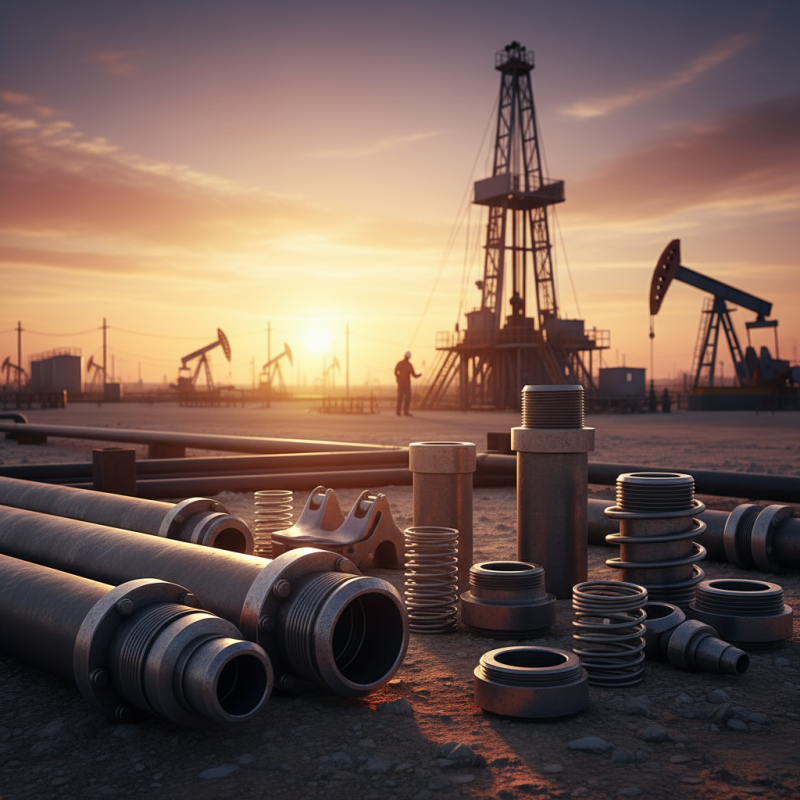
Top 10 Oilfield Casing Equipment Buyers Should Know?
The oil and gas industry relies heavily on specialized equipment. Among these, Oilfield Casing Equipment plays a crucial role. Understanding its components is vital for buyers. It ensures the integrity of wells and optimizes extraction processes.
Many buyers may overlook key aspects when choosing this equipment. Not all providers offer the same quality. The market is filled with options, and not all are reliable. Buyers must rely on trusted sources and comprehensive comparisons.
Investing in the right Oilfield Casing Equipment can impact operational success. Yet, potential buyers often face information overload. They may struggle to identify what truly matters. It’s essential to focus on factors like durability, compatibility, and cost-effectiveness. In the end, informed decisions lead to better outcomes in the field.
Key Differences Between Various Oilfield Casing Equipment Types
When selecting oilfield casing equipment, understanding the key differences in types is crucial. The industry offers various options, each tailored for specific conditions. For instance, surface casing is typically set in the upper layers of rock to protect groundwater. This type of casing is usually larger in diameter. It is essential for maintaining the integrity of the wellbore during drilling operations.
Intermediate casing serves a different purpose. It protects against formation pressure and provides structural support for deeper drilling. The casing is often made from higher-strength materials to withstand increased depths. Reports indicate that improper selection of casing types can lead to costly failures. The cost of a blowout can reach millions, underlining the importance of choosing the right equipment.
Production casing, on the other hand, is designed to extract oil or gas more efficiently. Its design integrates features that enhance flow rates. However, not every well requires all types of casing. Engineers must evaluate geological conditions and operational needs. Misjudging these factors can result in inefficiencies. According to the Society of Petroleum Engineers, a careful analysis of casing types could save 20% on drilling costs.
Top 10 Oilfield Casing Equipment Buyers Should Know
| Casing Type | Material | Diameter (inches) | Weight (lbs/ft) | Applications |
| Surface Casing | Steel | 8.625 | 24 | Protect against surface hazards |
| Intermediate Casing | Steel | 9.625 | 36 | Stabilize borehole |
| Production Casing | Steel | 7.625 | 20 | Allow oil and gas flow |
| Liner Casing | Steel | 6.625 | 15 | Improve production efficiency |
| Cemented Casing | Steel | 4.5 | 10 | Secure well integrity |
Importance of Quality Standards in Oilfield Casing Equipment
Quality standards in oilfield casing equipment are essential for the industry's safety and efficiency. According to a report by the American Petroleum Institute (API), adherence to established standards can reduce equipment failures by up to 30%. This not only minimizes downtime but also cuts operational costs significantly.
Equipment fabrication processes must meet rigorous testing. The materials used should demonstrate strength and durability, especially since casing is exposed to extreme conditions. Research indicates that subpar casing leads to an increase in well integrity issues. A 2021 study highlighted that improperly manufactured casings were linked to nearly 20% of blowouts in North America.
Third-party certifications are crucial in ensuring compliance with these standards. Buyers need to vet manufacturers thoroughly. A recent survey revealed that 45% of operators cite lack of quality assurance as a primary risk factor in drilling operations. The implications of using low-quality casing equipment can be dire, leading to safety hazards, increased liabilities, and environmental concerns. Thus, prioritizing quality over cost is a lesson the industry continually needs to reflect upon.
Top 10 Oilfield Casing Equipment Buyers Should Know
This chart displays the importance ratings of various oilfield casing equipment. Buyers should prioritize these ratings to ensure they acquire quality standards in their operations.
Top Manufacturers of Oilfield Casing Equipment
In the oil and gas industry, the right casing equipment is essential for well integrity and safety. Casing serves as a barrier, protecting against fluid migration. Recognizing reliable manufacturers is crucial when considering investments in this equipment. According to industry reports, the global casing market is projected to reach over $12 billion by 2026, reflecting steady growth.
Key manufacturers are known for specific innovations. For example, companies focusing on advanced materials have developed lightweight, corrosion-resistant casings. These advancements can enhance performance in challenging environments. In regions with harsh geological conditions, selecting the right supplier can directly impact project success.
However, not all suppliers meet industry standards. Some may compromise quality for cost, leading to failures or delays. Buyers must conduct thorough research to avoid this pitfall. Ensuring the chosen manufacturer adheres to recognized certifications can minimize risks. With a clear understanding of the market and attentive sourcing, operators can achieve safer, more efficient drilling operations.
Factors Influencing Oilfield Casing Equipment Pricing
Pricing for oilfield casing equipment is influenced by multiple factors. Market demand plays a critical role. In recent years, increased exploration and production activities have led to a surge in demand. For instance, the global oilfield equipment market is projected to grow at a CAGR of 4.5% between 2021 and 2028. This uptick often causes price volatility, pushing manufacturers to adjust their pricing strategies.
Raw material costs also significantly affect pricing. Steel, a primary component in casing, has seen fluctuations due to global supply chain disruptions. Reports indicate that in 2021, steel prices increased by over 50%. Such spikes raise production costs. Additionally, labor availability and skilled workforce shortages compound these challenges. Companies struggling to find qualified personnel often face higher operational expenses.
Technological advancements can be a double-edged sword. On one hand, innovative casing solutions can reduce costs and enhance efficiency. On the other hand, implementing new technologies may require substantial initial investments. The balance between leveraging technology and controlling costs is delicate. Industry players must continually assess their strategies to remain competitive while managing these intricate pricing influences.
Essential Maintenance Practices for Oilfield Casing Equipment
Proper maintenance of oilfield casing equipment is crucial for operational efficiency. Regular inspections should be conducted to identify wear and tear. Small cracks or corrosion can escalate into major issues if neglected. Personnel must be trained to recognize these signs, as early detection is key to preventing costly failures.
Lubrication is a fundamental part of maintenance. Greasing components regularly helps reduce friction and wear. It can be simple, but neglecting this task leads to significant downtime. Operators should establish a strict lubrication schedule. Conditions in the field can change, making it vital to adapt maintenance practices accordingly.
Cleaning the casing equipment is often overlooked. Dust and debris can accumulate, impacting performance. Implementing a routine cleaning protocol aids in prolonging equipment life. Staff should be encouraged to take pride in their equipment. Reflecting on past maintenance practices can highlight areas for improvement. Continuous learning and adaptation are essential for achieving optimal performance.