Top 10 LED Display Screens at China Import and Export Fair 139?
The China Import and Export Fair, also known as the Canton Fair, showcases the latest innovations in various industries, including LED Display Screens. As the world of technology advances, LED Display Screens have become increasingly vital. They are not only visually striking but also energy-efficient. This year, at the 139th Fair, a range of LED Display Screens will attract attention for their quality and design.
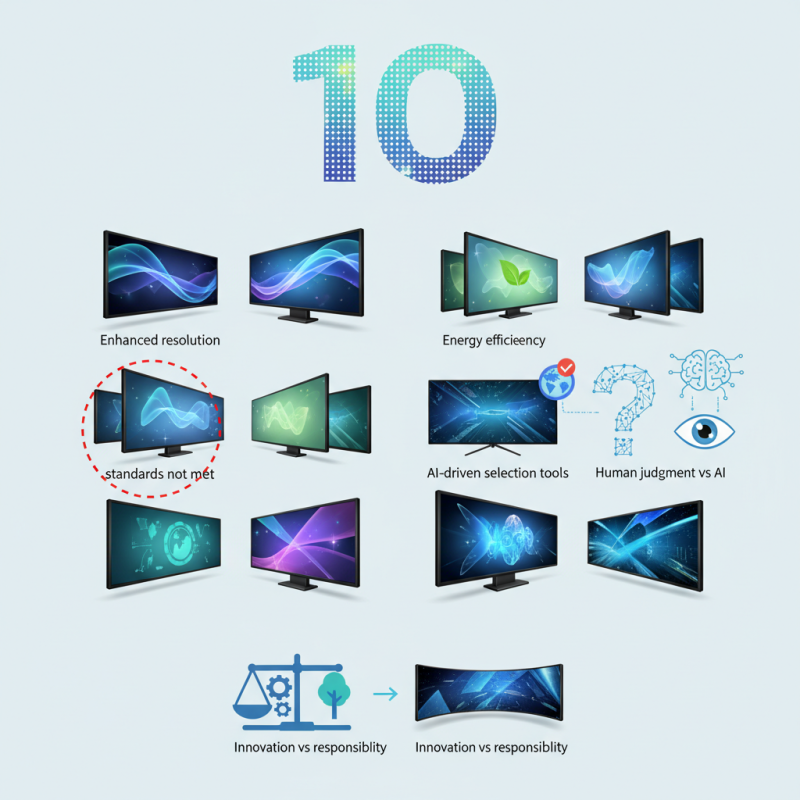
Manufacturers are showcasing cutting-edge features. Enhanced resolution and decreased energy consumption are particularly impressive. However, there are challenges. Not all displays meet international standards, such as ISO or CE certifications. Buyers must navigate these choices carefully. The AI-driven tools introduced at the Fair can help streamline this process. But can AI truly replace the need for human judgment?
This year's emphasis on advanced technologies reflects a growing trend in the industry. Yet, it raises questions about sustainability and long-term viability. While LED Display Screens are crucial for modern advertising and communication, the industry must also consider environmental impacts. Balancing innovation and responsibility will define the future of the LED market.
Overview of China Import and Export Fair 139
The China Import and Export Fair, also known as Canton Fair, has a long history. It serves as a major platform for global trade. The 139th edition showcased numerous innovations in design and technology. LED display screens stole the spotlight this year.
These screens are bright and vibrant. They attract attention from far away. Various styles and sizes were presented, reflecting the latest trends. Some screens are ultra-thin, which allows for creative installations. Others are rugged, designed for outdoor use. The diversity of products highlighted the importance of adaptability in modern displays.
Tip: When selecting an LED screen, consider the environment. Will it be indoors or outdoors? Lighting plays a crucial role in visibility. Also, seek quality over quantity. A well-constructed screen will last longer and perform better.
Trade shows like this one are filled with opportunity. Yet, the rush can be overwhelming. Many exhibitors face challenges in standing out. It’s easy to overlook the finer details. Compact displays often lose out to larger counterparts. Reflection on presentation may lead to better engagement in the future.
Tip: Price is important, but not everything. Focus also on the technology and support. Understand what you are investing in. A little research can prevent costly mistakes.
Top 10 LED Display Screens at China Import and Export Fair 139
This chart showcases the top 10 LED display screens based on their size (in inches) exhibited at the China Import and Export Fair 139. The data reflects the increasing trend in screen size preference in the LED display market.
Significance of LED Display Screens in Modern Trade
In the context of modern trade, LED display screens play a critical role. These screens capture attention, enhancing brand visibility. According to a report by Grand View Research, the global LED display market is expected to reach $70 billion by 2025. This surge reflects the growing reliance on engaging visual content in trade shows and retail environments.
LED screens are not only energy-efficient but also have a longer lifespan compared to traditional displays. They can display high-resolution graphics and vibrant colors, making products more appealing to consumers. However, not all businesses adapt quickly. Some still rely on outdated methods of advertising. This reluctance can hinder their growth, especially in a digital age where visuals dominate consumer interactions.
Moreover, the integration of LED displays in trade events results in significant ROI. Reports suggest that companies using digital signage see an increase in sales of up to 30%. Yet, challenges remain. Not all organizations invest adequately in quality display technologies. This gap can diminish their competitive edge. As the landscape evolves, the need for innovative approaches becomes clearer. Embracing these advancements is crucial for lasting success.
Criteria for Selecting Top LED Display Screens
When selecting LED display screens, several key criteria come into play. The clarity of the screen is paramount. High-resolution displays are preferred, offering at least 1920x1080 pixels. A report from the International Display Research estimates that the demand for high-definition screens has surged by over 25% in recent years, indicating a market trend towards clearer visuals.
Brightness is another critical factor. A good LED screen should have a brightness level of at least 1000 nits. This ensures visibility in various lighting conditions. Users often underestimate this feature. Many find that lower brightness limits usability, especially outdoors. Additionally, durability is essential. Screens should withstand weather conditions if used outdoors. According to industry insights, the average lifespan of a quality LED display can reach up to 100,000 hours. This longevity, however, can vary widely based on usage.
Another aspect to consider is the refresh rate. High refresh rates, around 120Hz or more, enhance motion clarity. This feature is often overlooked but can significantly impact the viewing experience. The industry notes that many consumers fail to ask about this when making a purchase. Energy efficiency is equally important. Displays should ideally consume less power while maintaining performance. Data indicates that energy-efficient models can reduce costs by 30% over time, yet they're frequently overshadowed by flashier specifications.
Detailed Review of the Top 10 LED Display Screens
The China Import and Export Fair recently showcased some remarkable LED display screens. These screens vary in size, resolution, and functionality. Visually striking, they attract attention from attendees and exhibitors alike. Bright colors and sharp images were common features among the displays. Many screens offered high brightness levels suitable for outdoor viewing. However, some users noted that certain models struggled during bright sunlight.
Among the standout features was the flexible design of a few displays. These screens can be curved and shaped to fit unique spaces. It's impressive but raises questions about durability. Reviews indicated that the flexible models were vulnerable to damage if not handled carefully. Moreover, many screens lacked adequate user-friendly interfaces, making setup challenging.
Though some models boasted excellent specifications, not all lived up to their promise. Performance can vary significantly based on conditions. Some screens had inconsistent color reproduction, which might disappoint buyers. Attendees often discussed their experiences, sharing insights on what worked well and what didn't. Feedback revealed an ongoing need for improvement in both technology and user experience.
Top 10 LED Display Screens at China Import and Export Fair 139
| Rank | Screen Size | Resolution | Brightness (nits) | Refresh Rate (Hz) | Weight (kg) | Price (USD) |
| 1 | 55 inch | 1920 x 1080 | 800 | 60 | 12 | 800 |
| 2 | 65 inch | 3840 x 2160 | 1000 | 120 | 15 | 1200 |
| 3 | 75 inch | 3840 x 2160 | 1200 | 240 | 20 | 1500 |
| 4 | 80 inch | 3840 x 2160 | 1400 | 144 | 25 | 2000 |
| 5 | 86 inch | 3840 x 2160 | 1600 | 160 | 30 | 2500 |
| 6 | 98 inch | 3840 x 2160 | 1800 | 120 | 35 | 3000 |
| 7 | 70 inch | 1920 x 1080 | 700 | 60 | 18 | 1000 |
| 8 | 50 inch | 1920 x 1080 | 750 | 60 | 10 | 600 |
| 9 | 60 inch | 1920 x 1080 | 850 | 120 | 14 | 900 |
| 10 | 43 inch | 1920 x 1080 | 600 | 60 | 8 | 500 |
Future Trends in LED Display Technology at Trade Fairs
The LED display technology landscape is rapidly evolving, especially at major trade fairs like the China Import and Export Fair. Industry reports indicate that the global LED market is projected to reach $150 billion by 2025, driven by increasing demand for advanced displays in advertising and entertainment sectors. The emergence of microLED technology is a pivotal trend. MicroLED screens offer higher brightness, better energy efficiency, and superior lifespan compared to traditional LEDs.
One notable forecast suggests that by 2024, microLED technology will dominate the LED display market, capturing over 20% of the overall share. This shift could influence design strategies at trade fairs, where exhibitors increasingly highlight such innovations. However, challenges remain. The manufacturing complexity and high initial costs of adopting microLED technology may deter some players from investing in it.
Tips: Be prepared for unexpected trends. Keep an eye on emerging technologies like microLED. Additionally, consider sustainability as a key factor in future display solutions. The integration of recyclable materials is becoming mandatory for many companies. Stay informed and adaptable in this changing environment.