Top 10 Large Flow Drainage Pumps for Global Buyers?
The demand for Large flow drainage pumps has surged in recent years. With urban flooding and industrial needs, these pumps play a crucial role.
Dr. John Smith, a leading expert in hydraulic systems, emphasizes, "Choosing the right large flow drainage pump can make a significant difference in efficiency." Understanding this can help buyers make informed decisions.
However, not all pumps are created equal. Factors like energy consumption, maintenance needs, and operational longevity should be considered. Buyers often overlook these details, leading to costly mistakes. The right pump can provide reliable performance, but improper choices may lead to system failures. Being aware of these nuances is vital in the ever-evolving market of large flow drainage pumps.
Types of Large Flow Drainage Pumps in the Market
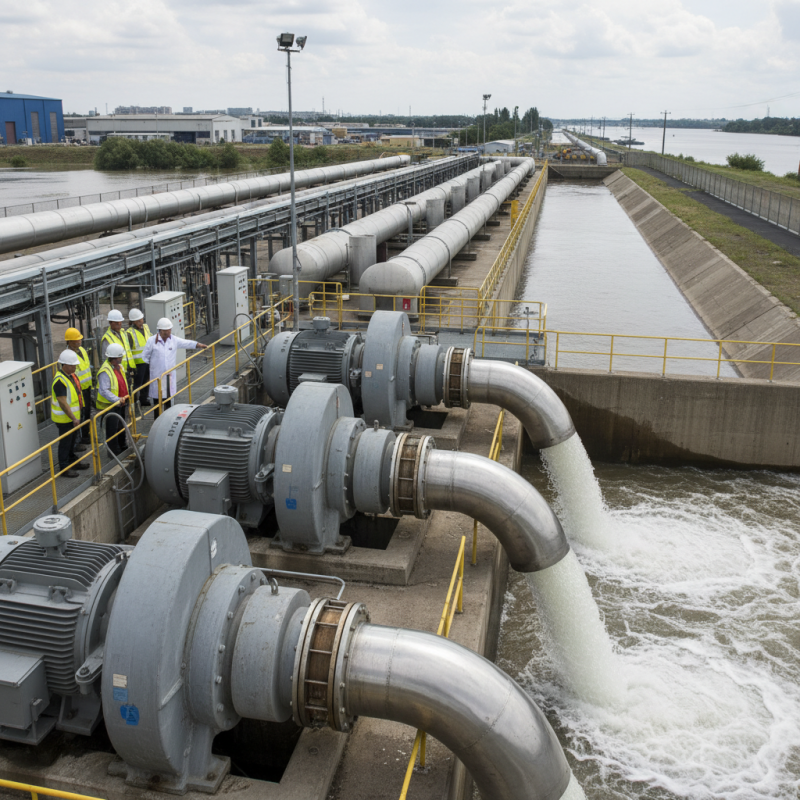
Large flow drainage pumps are crucial in various industries, especially in construction and agriculture. These pumps help manage excess water, preventing flooding and ensuring operational efficiency. Several types exist in the market, each designed for specific applications. Centrifugal pumps, for example, are popular due to their ability to move large volumes of water efficiently. They are widely used in wastewater treatment facilities and stormwater management systems.
Submersible pumps are another key type. These pumps operate underwater and are effective in draining water from deep wells or flooded areas. According to a 2022 report by Grand View Research, the global submersible pump market is expected to reach USD 16.3 billion by 2028, growing at a CAGR of 5.4%. This growth reflects the increasing demand for efficient drainage solutions in urban settings.
However, choosing the right pump can be challenging. Factors such as flow rate, head height, and power source significantly impact selection. Many buyers may overlook the importance of these elements, leading to inadequate drainage. Regular maintenance is often disregarded, which can diminish pump effectiveness. Understanding these factors can help buyers make informed choices and enhance their systems' reliability.
Top 10 Large Flow Drainage Pumps for Global Buyers
This chart illustrates the flow rates of the top 10 large flow drainage pumps available on the market. Each bar represents a specific pump model, showcasing its capacity in cubic meters per hour (m³/h).
Key Features to Consider When Selecting Drainage Pumps
When selecting drainage pumps, several key features are essential to consider. Flow rate is crucial. A pump's capacity to move water per minute is often specified in gallons or liters. Higher flow rates indicate a more powerful pump. Always prioritize your specific needs when determining the required flow.
Durability is another important factor. Pumps are subject to harsh conditions. Look for materials that resist corrosion and wear. According to industry reports, pumps can lose efficiency over time without proper material selection. Additionally, energy efficiency can greatly reduce operational costs. Many modern pumps are designed to save energy while maintaining performance.
Noise level is frequently overlooked. Quiet operation is beneficial in residential areas or sensitive environments. Choose models with lower decibel ratings. Moreover, maintenance requirements can impact long-term usage. Some pumps offer self-cleaning features, extending lifespan and reducing downtime. Regular maintenance is unavoidable but can be minimized with the right design.
Assess these features thoroughly for the best results.
Top Manufacturers of Large Flow Drainage Pumps Worldwide
When it comes to large flow drainage pumps, selecting the right manufacturer is crucial. Many factors impact the efficiency and reliability of these systems. Global buyers often seek pumps designed for high-performance in various conditions. This includes extreme weather, heavy industrial use, and flooding situations. Understanding these scenarios helps in making informed purchase decisions.
Top manufacturers of large flow drainage pumps invest in advanced technology. They focus on durability and ease of maintenance. Many companies prioritize user-friendly designs, ensuring pumps can be operated without extensive training. The market is competitive, and each manufacturer claims to offer the best products. However, it’s essential to consider after-sales support and warranty options when choosing a supplier.
Despite advancements in pump technologies, challenges persist. Some manufacturers may not provide adequate information about their products. Others may face delays in production or shipping. Buyers must scrutinize product specifications closely. Taking the time to compare options can save future headaches. Additionally, gathering feedback from current users is invaluable for assessing reliability and performance.
Comparative Analysis of Performance and Efficiency
When considering large flow drainage pumps, performance and efficiency are key factors. Industry reports show that pump efficiency can significantly affect operational costs. A pump operating at 70% efficiency may incur 20% more in energy costs than one running at 80%. This disparity can lead to substantial savings or losses over time.
In terms of flow rate, selecting a pump suitable for the specific application is vital. High-capacity pumps can move large volumes of water quickly, yet they may consume more energy. A balance between capacity and power consumption is crucial. Many users overlook the importance of correctly sizing pumps, which can lead to inefficiencies and increased wear.
Tip: Always assess your drainage needs before purchasing. Evaluate the required flow rate and pressure, as well as how these will change over time. Regular maintenance also plays a critical role in ensuring efficiency. Pumps without proper care can suffer from decreased performance, leading to unexpected costs. A monitoring system can provide valuable insights into pump performance levels.
Market Trends and Future Perspectives for Drainage Pumps
The drainage pump market is evolving rapidly. According to a recent industry report, the global drainage pump market is projected to reach USD 4.12 billion by 2026, growing at a CAGR of 6.4%. This growth reflects increasing demand across various sectors, particularly construction and municipal services.
Innovations are reshaping pump efficiency and capacity. Advanced materials are enhancing durability and reducing maintenance. Newer pump designs are capable of handling larger volumes and more diverse fluids. Data indicates that environmentally sustainable options are rising, with 40% of consumers prioritizing eco-friendly solutions in purchase decisions. This shift is compelling manufacturers to adopt greener technologies.
However, challenges persist. The market faces supply chain disruptions and fluctuating raw material costs. Additionally, many buyers lack awareness of technical specifications that impact performance. This knowledge gap can lead to mismatched pump choices for specific applications. Addressing these issues is crucial for facilitating informed purchasing decisions in the drainage pump sector.
Top 10 Large Flow Drainage Pumps for Global Buyers
| Rank | Pump Type | Max Flow Rate (m³/h) | Head (m) | Power (kW) | Material | Applications |
| 1 | Submersible | 1000 | 20 | 75 | Cast Iron | Construction, Municipal |
| 2 | Centrifugal | 900 | 25 | 60 | Stainless Steel | Agriculture, Flood Control |
| 3 | Diaphragm | 800 | 30 | 55 | Aluminum | Industrial, Wastewater |
| 4 | Vertical Turbine | 1200 | 100 | Bronze | Irrigation, Drainage |
| 5 | Pneumatic | 600 | 40 | 40 | Polypropylene | Mining, Slurry |
| 6 | Progressive Cavity | 500 | 10 | 30 | Composite | Food Processing, Chemical |
| 7 | Screw Pump | 700 | 20 | 80 | Carbon Steel | Oil & Gas, Marine |
| 8 | Submersible Sludge Pump | 950 | 18 | 70 | Nylon | Municipal, Sewage Treatment |
| 9 | Magnetic Drive Pump | 600 | 35 | 50 | PTFE | Chemical, Pharmaceutical |
| 10 | Fountain Pump | 300 | 12 | 20 | Stainless Steel | Decorative, Landscaping |