2026 Top Industrial Panel PC Features and Benefits Explained?
In recent years, the demand for Industrial Panel PCs has surged. According to a market research report by Research and Markets, the global industrial PC market is projected to grow at a CAGR of 6.5% between 2021 and 2026. This growth is driven by automation in manufacturing and the need for robust processing solutions.
Industrial Panel PCs integrate computing and display in one unit. They are designed to withstand extreme conditions, making them suitable for demanding industrial environments. With advancements in technology, features like multi-touch screens, enhanced connectivity, and improved processing power are becoming standard. These benefits enhance productivity and streamline operations.
Despite these advantages, companies must choose wisely. Not all Industrial Panel PCs are created equal. Businesses should consider their specific needs and the environment in which the PC will operate. Factors such as durability, software compatibility, and after-sales support can significantly impact overall performance. Thus, investing in the right solution requires careful thought.
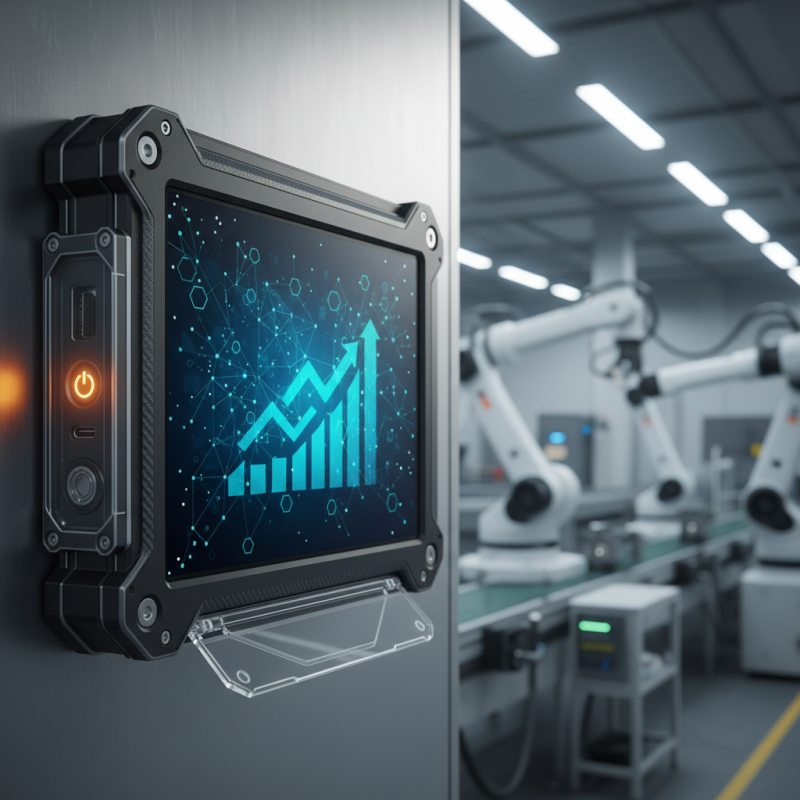
Overview of Industrial Panel PC: Key Features for 2026
In 2026, industrial panel PCs will feature advanced capabilities that cater to the increasing demands of various sectors. One significant attribute is the enhanced touchscreen technology. A report by Global Industry Analysts projects that the global industrial touchscreen market will exceed $10 billion by 2026. This growth reflects the need for more intuitive interfaces in manufacturing and logistics.
Another key feature is rugged design which can withstand harsh environmental conditions. The increasing focus on durability is necessary; many companies reported equipment failures due to subpar hardware. It's essential to ensure that the structures can endure extreme temperatures, dust, and moisture.
Moreover, edge computing capabilities are becoming vital. A study indicates that around 75% of enterprises intend to deploy edge computing by 2025. This shift allows real-time data processing, crucial for operational efficiency.
Connectivity options play a big role too. Industrial panel PCs of 2026 will support advanced wireless technologies like 5G and Wi-Fi 6. This evolution will enhance communication between devices. However, while the technological advancements are promising, organizations must reflect on integration challenges. Ensuring seamless compatibility with existing systems remains a significant hurdle for many enterprises.
Advancements in Processing Power for Enhanced Performance
Advancements in processing power have transformed the industrial panel PC landscape. A recent industry report indicated that processing speed has increased by over 40% in the past two years. This surge enhances real-time data processing capabilities, allowing for quicker decision-making on the factory floor. Multi-core processors are now standard in many models. This development leads to smoother multitasking and improved performance in complex applications.
Tips: Always assess your specific needs before upgrading. Sometimes, older models can suffice for basic tasks, saving costs without sacrificing efficiency.
Another important aspect is energy efficiency. Newer processors consume less power, leading to lower operational costs. Reports show energy consumption could drop by up to 30% with updated units. However, not all devices are optimized for energy use. Confirm compatibility before making purchasing decisions.
Tips: Monitor your system's performance. It’s crucial to identify areas that need improvement. Regular assessments can help avoid unnecessary expenses. Consider balancing cost with performance needs for the best outcome.
Importance of Durability and Ruggedness in Industrial Environments
In industrial settings, durability and ruggedness are essential for technology to thrive. Equipment faces dust, moisture, and extreme temperatures daily. Industrial panel PCs must withstand these harsh conditions. A splash of water or a drop of dust can render standard devices unusable. Therefore, investing in well-built systems is crucial for uninterrupted operations.
Choosing components with high resistance to shock and vibration is vital. Devices should ideally be housed in robust materials. It may seem tempting to opt for cheaper alternatives, but the long-term cost can be much higher. If a device fails, it may halt production. Repair delays can lead to significant losses. Workers deserve tools that can handle the demands of their environment. It’s imperative to pick systems that promise reliability.
Many companies overlook maintenance. Regular checks ensure that equipment remains in optimal condition. Some may think that if a device works today, it will work tomorrow. But this line of thinking can be a costly mistake. Identifying weaknesses early can save time and money in the long run. Emphasizing durability and ruggedness is not just a choice; it's a necessity in industrial environments.
Trends in Touchscreen Technology for User Interaction
The evolution of touchscreen technology has reshaped user interaction significantly. In 2026, touchscreens have become more sensitive and intuitive. Users expect seamless responses. Capacitive touchscreens are now commonplace, offering better accuracy and responsiveness. This allows for a more immersive experience, essential in industrial settings.
Tips: Always ensure screen calibration is regularly performed. This can enhance user experience and accuracy. Keep the surfaces clean for optimal performance.
The rise of multi-touch capabilities allows users to perform complex tasks more efficiently. Users can zoom in or rotate images effortlessly. However, not all interfaces leverage this technology effectively. Some systems still lag behind, leading to frustration.
Tips: Consider training users on multi-touch gestures. This can improve interaction significantly. Also, ensure that the software supports advanced touch features to harness the technology fully.
As touchscreen technology advances, accessibility remains a concern. While many interfaces are designed for ease of use, there's still work needed. Some designs overlook tactile feedback, which can be a barrier for certain users. Feedback can help improve usability substantially.
Energy Efficiency Standards Impacting Industrial Panel PC Solutions
Energy efficiency standards are increasingly shaping the development of industrial panel PC solutions. These standards aim to reduce energy consumption and lower operational costs. Manufacturers must adapt their designs to meet these regulations. This adaptation often leads to innovations in thermal management and power supply systems.
Industrial panel PCs are being engineered to consume less energy while maintaining performance. Features like low-power processors and LED displays contribute to this goal. However, not all manufacturers are meeting these standards. Some are still reliant on older technologies, which may offer better short-term performance but fail to comply with energy regulations.
Investing in energy-efficient technologies also has broader implications. Businesses can reduce their carbon footprint. Yet, transitioning can be challenging. Companies may need to rethink their entire production line and training programs. The initial investment can seem daunting, but the long-term savings are beneficial. However, many still overlook this crucial aspect.