Top 5 Forklift Collision Detection Systems You Need to Know?
Forklifts are essential in warehouses and construction sites. However, their operational risks are significant. According to the National Institute for Occupational Safety and Health (NIOSH), forklift accidents cause approximately 85 fatalities annually in the U.S. alone. This alarming statistic underscores the necessity for robust safety measures, particularly in collision detection.
Experts advocate for implementing advanced Forklift Collision Detection Systems (FCDS). Dr. Emily Johnson, a renowned safety technology specialist, emphasizes, "Effective collision detection can drastically reduce workplace accidents." Her insights highlight how these systems can enhance safety by alerting operators to potential collisions in real-time.
With technology evolving, the market for FCDS is booming. A recent report from Smart Market Insights predicted a compound annual growth rate (CAGR) of 14% for such systems through 2025. However, gaps still exist. Not all facilities invest sufficiently in these technologies, and many rely on outdated safety measures. Ensuring the integration of modern FCDS could be the key to preventing unnecessary workplace injuries.
Overview of Forklift Collision Detection Systems
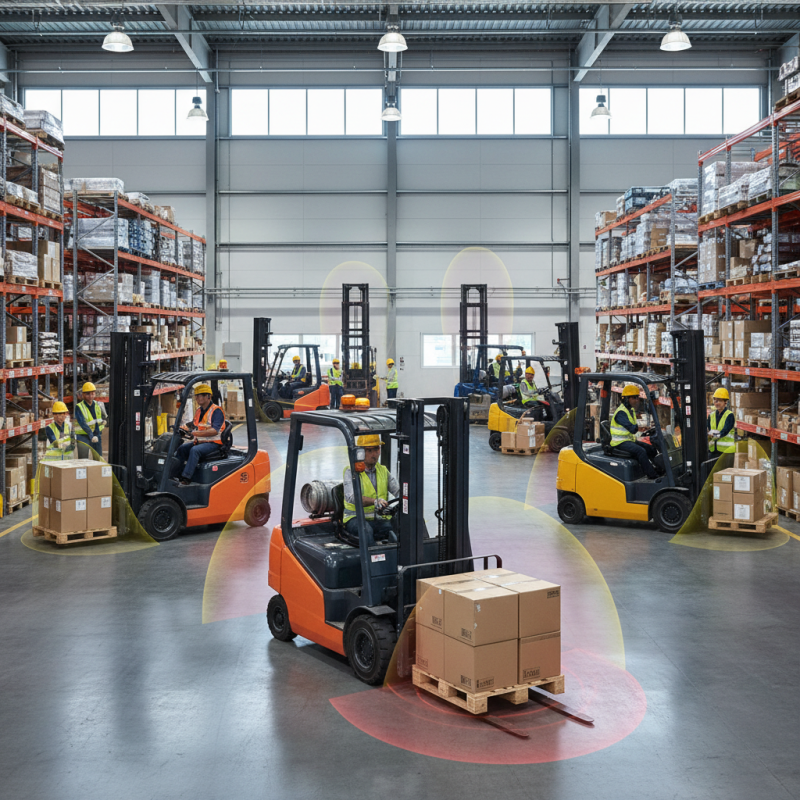
Forklift collision detection systems play a crucial role in enhancing safety within warehouses. According to a report by the National Safety Council, forklift accidents account for a significant portion of workplace injuries, underscoring the need for effective safety measures. These systems utilize sensors, cameras, and alarms to detect potential collisions. They can instantly alert operators, reducing the likelihood of accidents.
Incorporating technology into your operations can help streamline safety protocols. One useful tip is to conduct regular training sessions for operators on using detection systems effectively. This ensures that all staff are familiar with the technology. Another important aspect is maintaining the systems. Regular inspections can ensure that sensors and alarms function correctly, providing the highest level of safety.
However, it’s important to remember that technology has its limits. These systems may not detect every potential risk, especially in complex environments. Operators must remain vigilant and aware of their surroundings. Over-reliance on technology can lead to complacency, which is dangerous. It’s essential to foster a culture of safety where operators play an active role in accident prevention.
Importance of Collision Detection in Warehouse Operations
In warehouse operations, collision detection systems are essential for ensuring safety. Research indicates that over 20,000 forklift accidents occur annually, with many resulting in serious injuries. A reliable collision detection system can significantly reduce these incidents. A well-designed system can help pinpoint potential hazards, enhance worker safety, and improve operational efficiency.
Implementing these systems also addresses a critical challenge: human error. A study found that about 85% of workplace accidents stem from human factors. By using advanced technologies such as sensors and cameras, warehouses can minimize reliance on operators to detect their surroundings. Operators often overlook blind spots or misjudge distances; technology can bridge this gap effectively.
Tip: Regular training on how to use these systems boosts safety. Employees must understand how to respond when alerts are triggered. Continuous education keeps safety protocols fresh in everyone’s mind.
Another consideration is system maintenance. Faulty equipment can lead to false alarms or missed detections. Scheduled check-ups ensure that all components function effectively. A proactive approach can prevent dangerous situations before they escalate.
Key Features to Look for in Forklift Collision Detection Systems
When selecting forklift collision detection systems, key features play a crucial role. You need systems that incorporate advanced sensors. Acceleration and proximity sensors are essential. These can detect obstacles within a given range, reducing the risk of accidents significantly. A report from the Occupational Safety and Health Administration indicates that effective collision detection reduces accidents by up to 30%.
Another critical feature is real-time alerts. A system that can provide instant feedback to operators is invaluable. Visual and auditory alerts can alert drivers of impending collisions. Additionally, integration with existing warehouse management systems enhances functionality. This integration streamlines processes and improves overall safety. According to industry experts, nearly 60% of warehouse accidents stem from lack of awareness.
User-friendly interfaces are also important. Systems that allow for simple operation can lead to better adoption rates among staff. Training becomes easier with intuitive designs. Some models, however, may not be user-friendly. This can create frustration and lead to improper use. As a result, having clear instructions and support is necessary to ensure effectiveness. The right features can make a significant difference in workplace safety.
Top 5 Forklift Collision Detection Systems - Detection Range Comparison
This chart illustrates the detection range of the top 5 forklift collision detection systems available in the market. Each system offers unique features and capabilities, and understanding their detection ranges is essential for ensuring workplace safety and efficiency.
Top 5 Recommended Forklift Collision Detection Systems
When it comes to enhancing warehouse safety, forklift collision detection systems are essential. They utilize advanced technology to monitor surroundings and prevent accidents. Many systems leverage sensors, cameras, and alarms to provide timely warnings. This proactive approach reduces the risk of collisions significantly. It's crucial for businesses to adopt reliable systems to keep their operations safe.
Some systems provide real-time data feedback, which can help operators make informed decisions. Others may have limitations, like being less effective in poor visibility. Understanding these nuances can guide companies in choosing the right fit for their operations. Integration with existing fleets is another consideration. A well-integrated system enhances overall efficiency and safety.
User experiences are vital for evaluating options. Some employees may find certain systems cumbersome, while others appreciate the peace of mind they provide. Continuous feedback from users can help improve training and system effectiveness. Ultimately, the goal is to create a safer work environment. Balancing technology and human factors plays a key role in this endeavor.
Top 5 Forklift Collision Detection Systems You Need to Know
| System Name | Detection Method | Features | Compatibility | Price Range |
| Advanced Lidar System | Lidar Sensors | Real-time obstacle detection, Alerts | Most forklifts | $2,000 - $4,000 |
| Ultrasonic Collision System | Ultrasonic Sensors | Proximity alerts, Custom settings | Standard forklifts | $1,500 - $3,000 |
| Radar Detection System | Radar Technology | All-weather performance, Long-range detection | Heavy-duty forklifts | $3,500 - $6,000 |
| Vision-Based Detection System | Camera Systems | Visual alerts, Integration with existing systems | Modern forklifts | $2,500 - $5,000 |
| Wearable Collision Detection | Wearable Devices | Personal alerts, Worker safety focus | Compatible with all models | $300 - $800 |
Future Trends in Forklift Safety Technology
The future of forklift safety technology is advancing rapidly. With an increase in warehouse efficiency, crucial innovations are steering the industry toward better safety systems. The rise of collision detection systems is one such development. These systems employ advanced sensors and algorithms, enhancing operator awareness and minimizing accidents.
Many businesses are integrating smart technologies into their fleets. These technologies use real-time data to provide alerts for potential collisions. They offer insights into forklift movements, ensuring that operators remain alert. However, the effectiveness of these systems depends heavily on training. Proper training ensures that operators understand and utilize these technologies effectively.
Tips for improving forklift safety include:
- Regular maintenance of equipment
- Conducting safety audits
- Ensuring operators are trained in using safety systems
- Familiarizing them with the technology
Assessing the impact of technology on workplace safety can lead to continuous improvements. Companies must remain proactive and open to refining their practices, recognizing that technology alone cannot replace human judgment.