
Top 10 Energy Management Solutions in China for Global Buyers?

Energy Management is vital for businesses in today's competitive landscape. In China, the demand for energy efficiency is increasing rapidly. A recent report by the International Energy Agency (IEA) highlights that China accounted for over 40% of the world's total energy consumption in 2022. This statistic emphasizes the importance of adopting effective energy management solutions.

Dr. Lin Zhang, an energy management expert, states, "Optimizing energy use not only reduces costs but also enhances operational sustainability." This perspective is crucial as companies seek to decrease their carbon footprints while maintaining profitability. Selecting the right energy management solutions can lead to significant savings and improved efficiency.

However, not every solution fits all business types. Some companies struggle to implement the best practices. Key challenges include a lack of understanding and high implementation costs. As the industry evolves, businesses must stay informed about advancements in technology. Finding the right strategies is essential for addressing these challenges effectively while promoting a sustainable future.
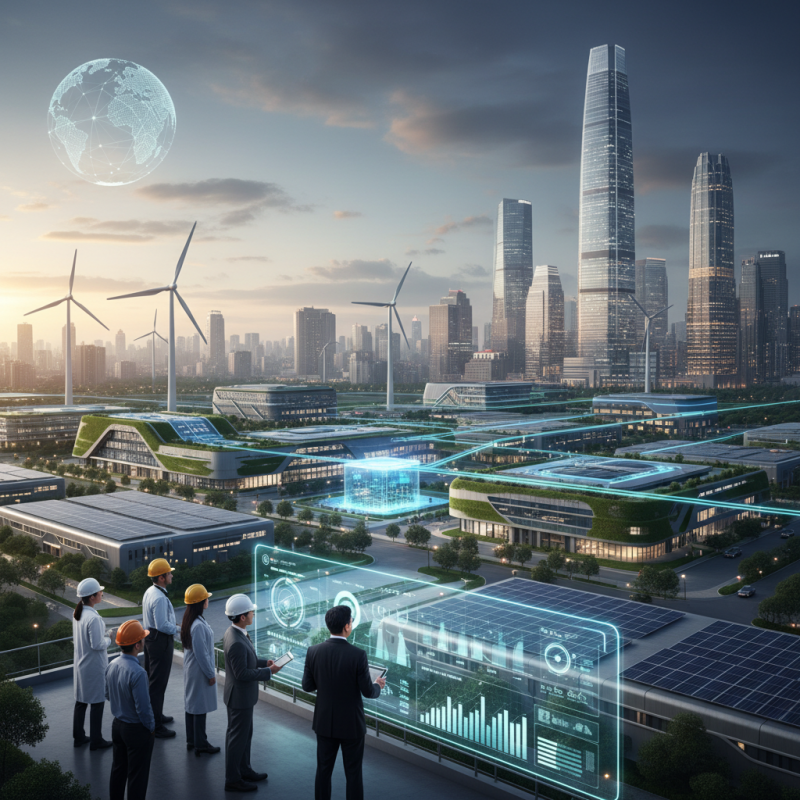
Top 10 Energy Management Solutions in China for Global Buyers?

Overview of Energy Management in China

Energy management in China has gained momentum in recent years. The country is focused on reducing its carbon footprint. Companies and the government are investing in innovative solutions. This is essential for sustainable growth. However, the pace of change often raises questions about effectiveness and implementation.

China's energy landscape is characterized by rapid industrialization. Many organizations still struggle to adopt comprehensive energy management strategies. Traditional methods often clash with new technologies. This leads to inefficiencies and wasted resources. Yet, there is a growing awareness of the need for better practices. Organizations are beginning to recognize the potential savings and environmental benefits.

Despite advancements, challenges remain. The complexity of energy systems can be overwhelming. Sometimes, companies prioritize short-term gains over long-term sustainability. This mindset can hinder progress. Collaboration between stakeholders is crucial for overcoming these barriers. A more integrated approach could enhance energy efficiency and management. It is time for a renewed focus on responsible energy practices.

Key Characteristics of Leading Energy Management Solutions

Energy management solutions are essential for businesses looking to reduce costs and enhance sustainability. Organizations should consider features like real-time monitoring and reporting. These capabilities enable companies to track energy consumption effectively. Additionally, strong data analytics can identify trends and opportunities for energy savings.

Tips: Look for solutions that offer user-friendly dashboards. A good interface can facilitate quick decision-making. Clarity is crucial when interpreting energy data.

Another critical aspect is interoperability with existing systems. A seamless integration can enhance the effectiveness of energy management solutions. This connectivity equips users to manage energy across various platforms. However, companies should ensure that they invest in training. Staff should be comfortable using new technologies.

Tips: Prioritize solutions with excellent customer support. Reliable assistance helps resolve technical issues swiftly and maintains operational efficiency. Be cautious of systems that seem overly complicated; simplicity often drives better adoption.

Top 10 Energy Management Solutions for Global Buyers

Energy management is crucial for businesses globally. In China, the market for energy management solutions has seen significant growth. According to a report from the International Energy Agency, energy efficiency measures in China could reduce industrial energy use by up to 24% by 2040. This presents a unique opportunity for global buyers to tap into innovative solutions designed with evolving needs in mind.

Recent studies indicate that smart technologies play a key role in energy management. Sensors and IoT devices enable real-time monitoring, leading to more efficient energy consumption. Reports suggest that companies achieving 10% savings through effective energy management solutions can enhance their bottom line significantly. However, some buyers may face adaptation challenges. The need for training and initial investment can deter companies from fully embracing these technologies.

Choosing the right energy management solution requires careful consideration. Overall market trends show a growing demand for scalable solutions that can adapt to different sectors. Still, not all solutions deliver promised results consistently. Buyers must evaluate vendor credibility and customer feedback to ensure reliability in their investments. An effective approach often involves a pilot phase to assess performance before full-scale implementation.

Top 10 Energy Management Solutions in China for Global Buyers

Rank Solution Type Key Features Target Industries Integration Capabilities Estimated Cost (Annual)
1 Energy Analytics Real-time monitoring, Predictive analysis Manufacturing, Retail API, IoT $10,000 - $50,000
2 Building Energy Management System (BEMS) HVAC control, Lighting optimization Commercial Buildings, Schools BMS integration $20,000 - $100,000
3 Energy Storage Management Battery management, Charge/discharge control Renewable Energy, Utilities SCADA, Grid integration $15,000 - $75,000
4 Demand Response Solutions Load forecasting, Incentive programs Manufacturing, Commercial Smart meters, IoT $12,000 - $60,000
5 Renewable Energy Management Solar panel tracking, Wind analytics Energy Sector, Agriculture Cloud-based, API $25,000 - $120,000
6 Smart Grid Solutions Real-time data, Grid optimization Utilities, Smart Cities IoT, SCADA $50,000 - $200,000
7 Electric Vehicle Charging Management Charge scheduling, Fleet management Transportation, Fleet Services API integration, Smart Grid $18,000 - $90,000
8 Energy Management Software Data analysis, Reporting All industries ERP systems, Cloud $5,000 - $30,000
9 Energy Efficiency Consulting Site assessment, Policy recommendations Commercial, Industrial None needed $10,000 - $50,000
10 Virtual Power Plant Solutions Resource aggregation, Demand management Utilities, Renewable Energy SCADA, IoT $40,000 - $150,000

Comparison of Features and Benefits of Each Solution

Energy management solutions are crucial for companies aiming to optimize their energy efficiency. In China, several solutions stand out due to their diverse features and benefits. For instance, a recent report from the China Energy Research Institute revealed that over 80% of organizations that implement energy management programs experience at least a 10% reduction in energy costs. This significant savings highlights the importance of choosing the right solution.

Among the top offerings, features such as real-time energy monitoring are increasingly popular. Many solutions provide advanced analytics, allowing organizations to track energy usage accurately. These tools help identify peak consumption times, leading to better resource allocation. However, some businesses struggle with integration into existing systems. This challenge can hinder the full realization of potential benefits.

Furthermore, training staff to adapt to new technologies remains a critical concern. User-friendly interfaces and mobile access are vital for effective solutions. A study from the International Energy Agency noted that user engagement plays a substantial role in energy-saving initiatives. Solutions that prioritize accessibility often see higher user adoption rates. Nevertheless, not all solutions adequately address customization needs for varied industries, leading to frustration.

Adapting technology to fit unique operational requirements can enhance the overall effectiveness of energy management systems.

Future Trends in Energy Management Technologies in China

Energy management technologies in China are evolving rapidly. The demand for efficient energy solutions is growing. A recent report by the China Energy Research Society indicates a projected growth of 15% in smart energy management systems by 2025. These technologies help in optimizing energy consumption while reducing costs.

One notable trend is the integration of artificial intelligence. AI algorithms analyze energy usage patterns, offering insights for better efficiency. This application is still developing. Moreover, there is increasing reliance on the Internet of Things (IoT) for real-time energy monitoring. According to Statista, the IoT market in China will reach over $70 billion by 2025. However, many companies face challenges in implementing these technologies effectively.

Sustainability is another focus area. The Chinese government promotes green energy initiatives. This shift reflects a commitment to reducing carbon emissions by 2030. Many businesses, however, struggle to adapt due to high initial costs or inadequate infrastructure. The balance between innovation and practicality remains a key concern for future energy management solutions in China.

Top 10 Energy Management Solutions in China

CONTACT US