Top Cowboy Hat Plush Manufacturers for Global Buyers?
Cowboy Hat Plush has moved beyond a novelty item. It now blends Western styling, gifting appeal, and collectible toy design. Global buyers need more than attractive product photos. They need manufacturers with consistent materials, dependable sampling, and export experience.
Circana’s Global Toy Industry Performance Report recorded a 7% sales decline across 12 major markets in 2023. That pressure makes supplier selection more important. Buyers must examine pricing, minimum order quantities, lead times, and production flexibility. The Toy Association’s 2024 State of Play research also highlights demand for character-led, social, and giftable products. Cowboy Hat Plush fits this space, but its category remains difficult to measure precisely. It is usually grouped within broader plush toys or dolls.
The data is imperfect. That matters.
Trade records from the International Trade Centre, especially HS 9503 toy classifications, can help buyers compare country-level export activity. However, they do not identify cowboy-hat designs separately. Therefore, this guide combines market reports with practical factory checks. These checks include fabric composition, stitching density, filling recovery, colorfastness, packaging quality, and sample consistency.
Reliable manufacturers should explain their testing process clearly. They should also provide documentation for applicable toy-safety requirements, such as ISO 8124 or EN 71, where relevant to the destination market. Certifications alone are not enough. Buyers should verify the issuing body, product scope, and testing date.
The manufacturers below are assessed through a commercial lens. Their capabilities, customization options, communication standards, and production evidence deserve careful comparison. No ranking is perfect. A supplier that suits a 500-piece trial may fail a 20,000-piece launch. That is where buyer judgment still matters.
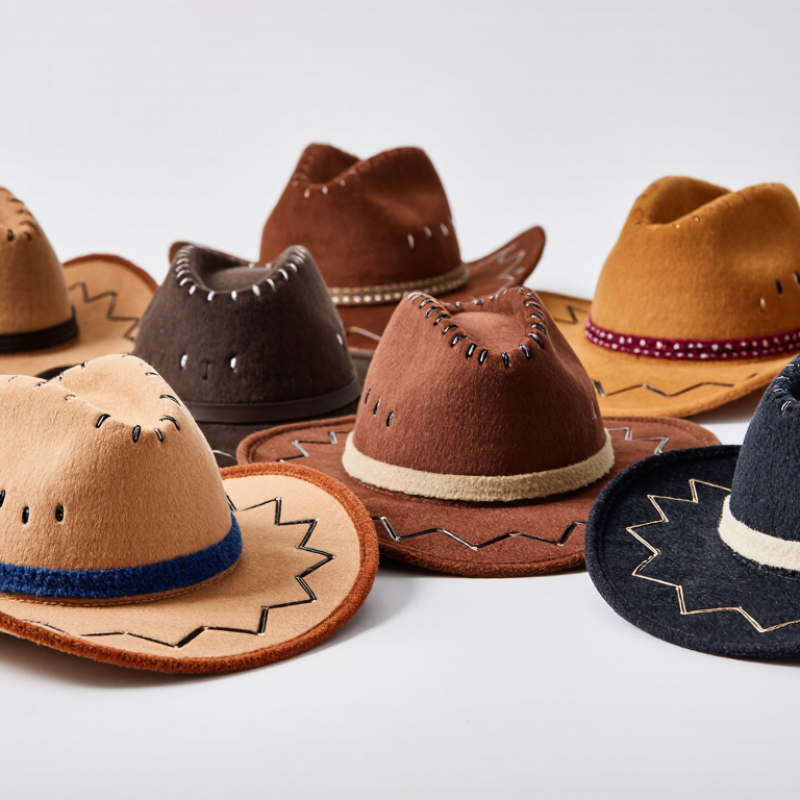
Cowboy Hat Plush Manufacturing: Products, Materials, and Production Standards
Cowboy hat plush products range from soft toy hats to character accessories and collectible gift items. Global buyers should define the product before choosing a manufacturer. A clear specification should include dimensions, filling weight, embroidery details, color references, and packaging requirements. Small samples reveal problems quickly. Check the brim shape, stitching tension, fabric shedding, and seam strength by hand. These details affect both appearance and durability.
Common materials include polyester plush, cotton blends, recycled fibers, and high-resilience polyester filling. Fabric should feel soft but remain stable after repeated handling. Suppliers should provide material records, colorfastness results, and batch traceability. Production standards should cover incoming material inspection, in-line checks, needle control, stuffing uniformity, and final visual review. Toy products may also require age grading, flammability assessment, and small-part testing under the destination market’s rules. Requirements differ between markets. Confirm them early.
Reliable manufacturers use approved samples and documented inspection points. Ask for pre-production samples, production photos, and independent test reports when appropriate. A factory audit can examine worker training, equipment maintenance, storage conditions, and corrective-action records. No process is flawless. A missed thread or uneven brim can still pass a rushed inspection. That gap deserves review. Buyers should track defects by type, not only by total quantity. This creates evidence for better training, stronger sampling, and more consistent deliveries.
How to Evaluate Cowboy Hat Plush Manufacturers for Global Purchasing
Top Cowboy Hat Plush Manufacturers for Global Buyers
How to Evaluate Cowboy Hat Plush Manufacturers for Global Purchasing
When evaluating cowboy hat plush manufacturers, inspect their production experience, not only their product photos. Ask how long they have made plush items and which markets they regularly serve. A credible factory should explain its fabric selection, stitching process, filling control, and inspection steps clearly. Request recent samples with matching specifications. Compare the brim shape, seam strength, embroidery detail, and fabric softness. Photos are insufficient. I prefer suppliers that permit sample revisions before bulk production. A small design change can affect stability, appearance, and packing efficiency. Their response speed also reveals practical communication skills.
For global purchasing, review material declarations, test reports, carton details, and product labeling support. Confirm whether the supplier can manage colorfastness, fiber shedding, flammability, and age-related safety requirements for your destination market. Ask for a documented quality plan, including inspections before packing and shipment. Video calls can help, but they do not replace independent checks. Do not rely on one perfect sample. Production batches may vary. One weakness deserves attention: some factories explain quality procedures better than they perform them. I have learned to compare written promises with inspection records, rejected samples, and corrective actions. That comparison takes time. Keep records. A dependable manufacturer accepts reasonable questions, admits limitations, and provides measurable answers instead of vague assurances.
How to Evaluate Cowboy Hat Plush Manufacturers for Global Purchasing
This procurement benchmark uses a 100-point evaluation model. Product safety and compliance receive the highest weighting because plush toys may require chemical, flammability, labeling, and market-specific testing. Quality consistency, production capacity, total cost, communication, and sustainability are also essential for reliable global purchasing.
Customization, Branding, and Private-Label Options for Buyers
For global buyers, top cowboy hat plush manufacturers should provide more than attractive samples. They need consistent materials, clear communication, and documented production controls. Customization often begins with the hat shape, plush fabric, filling density, and embroidered details. Buyers can also request specific colors, stitched badges, woven labels, or branded packaging. Small details matter.
Branding requires careful artwork preparation. Ask for digital proofs before approving embroidery, hangtags, carton printing, and care labels. Private-label production works best with a complete technical pack, including measurements, fabric references, logo placement, and packaging instructions. A dependable supplier should explain minimum order quantities, sample charges, lead times, and inspection points without hiding conditions. Sample approval is essential. Not every first sample will be perfect. That is useful feedback, not failure.
Experienced sourcing teams should check stitching strength, seam alignment, loose threads, and the hat’s attachment to the plush body. These details affect appearance and customer safety. Request photographs from different production stages, not only polished catalog images. Verify whether the factory can repeat the approved sample across larger quantities. Some suppliers promise too much. A cautious buyer should compare written specifications with actual samples and keep change records. This practical discipline helps protect brand consistency while allowing creative customization.
Quality Control, Safety Compliance, and Ethical Production Practices
For global buyers, a cowboy hat plush manufacturer must prove more than attractive samples. Quality control begins with incoming fabric checks, colorfastness tests, and measured seam strength. Inspect the brim, crown, embroidery, and small decorative parts. Loose threads are warning signs. A practical factory audit should review needle control, metal detection, batch records, and final sampling procedures. Independent laboratory testing should confirm relevant requirements, including ASTM F963, EN 71, or ISO 8124, depending on the destination market.
Safety documentation must match the exact product, not a similar design. The 2023 EU Safety Gate report recorded 3,412 safety alerts across consumer products, showing why traceable compliance matters. Manufacturers should retain test reports, material declarations, and corrective-action records. Cotton, polyester, dyes, stuffing, and packaging need clear supplier histories. A certificate alone is not enough.
Ethical production also requires evidence. The ILO and UNICEF estimated that 160 million children were involved in child labour in 2020, including 79 million in hazardous work. Buyers should request age-verification policies, wage records, working-hour controls, and subcontractor disclosures. Unannounced audits can reveal conditions scheduled visits miss. Still, audits are imperfect. Worker interviews may be rushed, and paperwork can look cleaner than reality. Responsible sourcing needs repeated checks, accessible complaints channels, and honest follow-up when defects or labor risks appear.
MOQ, Pricing, Lead Times, and International Shipping Considerations
Global buyers should treat MOQ, pricing, and delivery as one commercial decision.
Grand View Research valued the global stuffed toys market at about US$7.3 billion in 2023. Its forecast suggests a 7.3% compound annual growth rate through 2030. This demand can support custom cowboy hat plush orders, but small batches usually cost more.
For a 15–25 cm plush, indicative factory pricing may range from US$3 to US$8 per unit at 300–1,000 pieces. Embroidery, custom packaging, and safety testing add cost. Ask for a full specification sheet.
MOQ is often 300 pieces for a new design. Some factories accept 100 pieces with limited fabric choices. Samples may take 7–14 days. Bulk production commonly needs 30–50 days after approval and deposit.
I have found that artwork approval causes more delays than sewing. Build in a buffer. A perfect schedule rarely survives revisions.
International freight requires careful landed-cost planning. UNCTAD’s Review of Maritime Transport 2024 reported 2.4% growth in maritime trade during 2023, while route disruptions increased schedule uncertainty. Compare air, sea, and rail quotes using the same Incoterm.
Include freight, insurance, duties, destination handling, and inspection fees. The World Bank’s Logistics Performance Index 2023 evaluates customs, infrastructure, shipment arrangements, and timeliness. Those factors matter more than a low factory quote.
Request carton dimensions, gross weight, HS classification guidance, and production photos before payment. Mistakes here are expensive.