Top 10 Butt Splice Connectors for Your Wiring Needs?
When it comes to wiring connections, choosing the right Butt Splice Connector is crucial. An expert in the field, John Smith, emphasizes, “A reliable connection can often be the difference between success and failure in electrical projects.” Butt splice connectors play a vital role in ensuring durable and effective electrical connections.
These connectors are designed to join two wires securely. Correctly applied, they can enhance the longevity of your wiring systems. However, not all butt splice connectors are created equal, and the variety available can be overwhelming. Factors like wire gauge and insulation type are important to consider.
In this article, we will explore the top 10 butt splice connectors on the market. We will look at their features, benefits, and the situations in which they excel. This will help you make an informed choice for your wiring needs. Remember, a small mistake in selecting or using a butt splice connector can lead to poor performance.
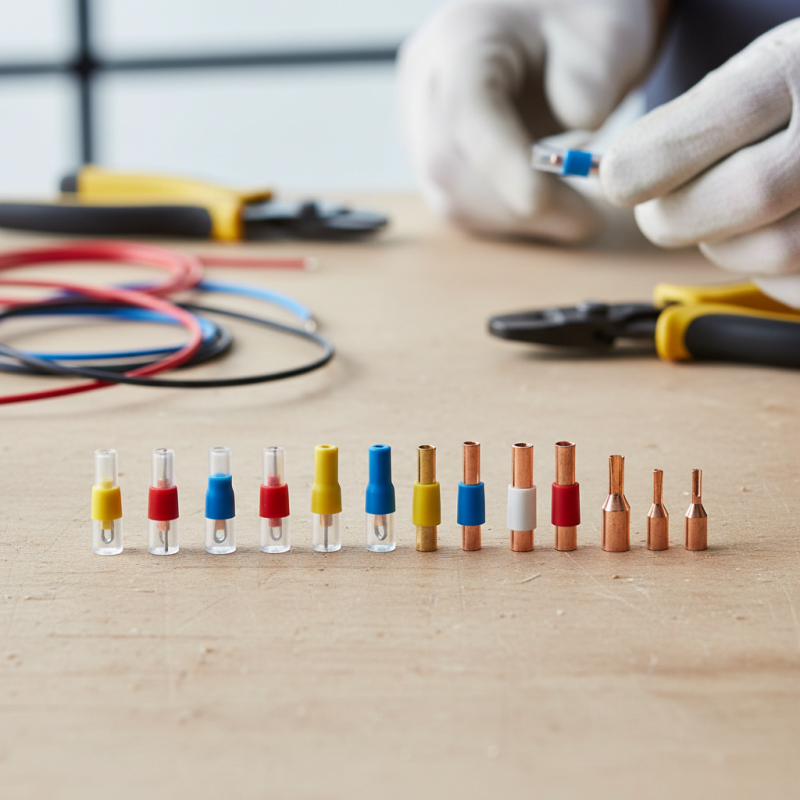
Understanding Butt Splice Connectors and Their Applications
Butt splice connectors are vital in electrical wiring. They repair or join two wires seamlessly while ensuring a strong electrical connection. These connectors come in various sizes and wire gauges. Proper selection based on project requirements is crucial. An inappropriate choice can lead to failures or safety hazards.
Understanding how to use butt splice connectors is equally important. Strip the wire ends carefully to avoid damage. Insert the stripped wires into the connector, ensuring they touch the metal inside. Crimping must be done firmly. A poorly crimped connection may result in overheating or intermittent failures. Always test the connection after completing your work.
Applications of butt splice connectors range from automotive to home wiring projects. They are beneficial in tight spaces and provide reliable connections. However, it’s essential to follow best practices for longevity. Many people overlook environmental factors like moisture and temperature fluctuations. These can impact the reliability of your connections significantly. Reflections on mistakes can guide better practices in the future.
Key Features to Consider When Choosing Butt Splice Connectors
When selecting butt splice connectors, several key features play a crucial role in ensuring reliable wiring. One significant factor is the connector's material. Copper connectors typically offer superior conductivity compared to aluminum. Reports indicate that copper connectors can reduce voltage drop by nearly 20%, which is vital for maintaining consistent electrical performance.
The wire gauge compatibility is another critical consideration. Connectors are rated for specific wire sizes, ensuring a secure fit. An improper gauge can lead to overheating or connectivity issues. It’s essential to check compatibility with standard wire sizes, such as 18 AWG to 10 AWG, depending on your application.
**Tip:** Always use a heat shrink tubing after making a connection. This can improve moisture resistance and mechanical strength. Proper insulation can prevent corrosion and enhance longevity.
Durability is also important. Look for connectors that are rated for harsh conditions if your project involves outdoor elements. Environmental factors can significantly impact connection integrity. Testing data suggests that connectors rated for extreme temperatures can last up to three times longer than standard connectors in adverse conditions.
**Tip:** Double-check the crimping technique. An inadequate crimp can lead to connection failure. Using a reliable crimping tool can enhance the performance of your butt splice connectors.
Top 10 Recommended Butt Splice Connectors for Wiring Projects
When it comes to wiring projects, butt splice connectors are essential for ensuring secure and reliable connections. A recent industry report indicates that improper wiring can account for 32% of electrical failures. This highlights the importance of choosing the right connectors for safety and performance. Recommended butt splice connectors offer sturdy options made of high-quality materials, resisting corrosion and heat, which enhances durability.
The installation process for butt splice connectors is relatively straightforward, but one must pay attention to the gauge of wire used. Incorrect sizing can lead to poor connections or electrical shorts. Many professionals suggest using connectors designed for specific wire gauges to maintain integrity. Additionally, the National Electrical Manufacturers Association (NEMA) reports that connections made with high-quality butt splices lead to a 25% increase in conductivity. However, low-cost options may save money initially, but they can result in unreliable connections and costly repairs later.
Consideration of environmental factors is also necessary. Exposure to moisture or extreme temperatures can compromise connector performance. The right choice can be a sizeable investment but may prevent future disruptions. It's essential to weigh options carefully and acknowledge that not all products perform equally in different settings. This thoughtful approach can significantly influence the overall success of your wiring projects.
Installation Tips for Using Butt Splice Connectors Effectively
Butt splice connectors are widely used for connecting wires securely. To install them effectively, it's essential to follow best practices. First, ensure that the wires are clean and free from corrosion. A report by the National Electrical Contractors Association emphasizes that proper wire preparation can improve connection reliability by over 30%.
When using butt splice connectors, consider the wire gauge. Selecting the right size ensures a snug fit, which aids in preventing potential connectivity issues. According to a survey by the Institute of Electrical and Electronics Engineers, improper sizing accounts for nearly 25% of installation failures.
You can enhance the longevity of your connections by using heat shrink tubing after installation. This adds extra protection against moisture and physical damage. Remember, not all connections are perfect. Regular checks and maintenance are vital to keep everything in working order. Pay attention to signs of wear or corrosion, as these can indicate deeper issues affecting performance.
Maintenance and Safety Considerations for Wiring Connections
When dealing with wiring connections, maintenance and safety are critical. Proper maintenance can prevent many issues. Regularly inspect your butt splice connectors for corrosion or damage. Look for signs like discoloration or exposed wire. Such signs indicate a connection may fail.
Ensuring a safe environment during installation is also key. Always wear protective gear while working with electrical systems. Disconnect power sources before making any changes. This simple step can prevent potential electrical hazards. It’s easy to overlook safety protocols in a rush, but a moment of negligence can lead to serious accidents.
Regular testing of connections is crucial. Use a multimeter to check for continuity and voltage levels. If an unexpected reading occurs, reassess your connections. Remember, even minor mistakes in wiring can lead to larger issues. Trusting your intuition while being detail-oriented can make a significant difference. It is better to double-check than to face potential failures later.