2026 Top Biodegradable Packing Paper Options for Global Buyers?
As the world shifts towards sustainable solutions, "Biodegradable Packing Paper" has emerged as a frontrunner in eco-friendly packaging. Industry expert Dr. Emily Carter notes, “Sustainable choices in packaging can significantly reduce our environmental footprint.” This statement underscores the growing recognition of biodegradable options in modern commerce.
The rising demand for environmentally friendly packaging solutions reflects a broader commitment to sustainability. Companies globally are exploring biodegradable packing paper to minimize waste. This material breaks down naturally, ensuring a minimal impact on our planet. Yet, not all biodegradable options are created equal. Consumers must navigate various products, assessing their true environmental benefits.
In the pursuit of sustainable packaging, we must acknowledge the imperfections within the industry. Some biodegradable materials require specific conditions for decomposition, which can negate their benefits. A nuanced understanding of these products will empower buyers to make informed choices. Ultimately, the future of packaging lies in the hands of conscientious consumers and manufacturers willing to embrace change.
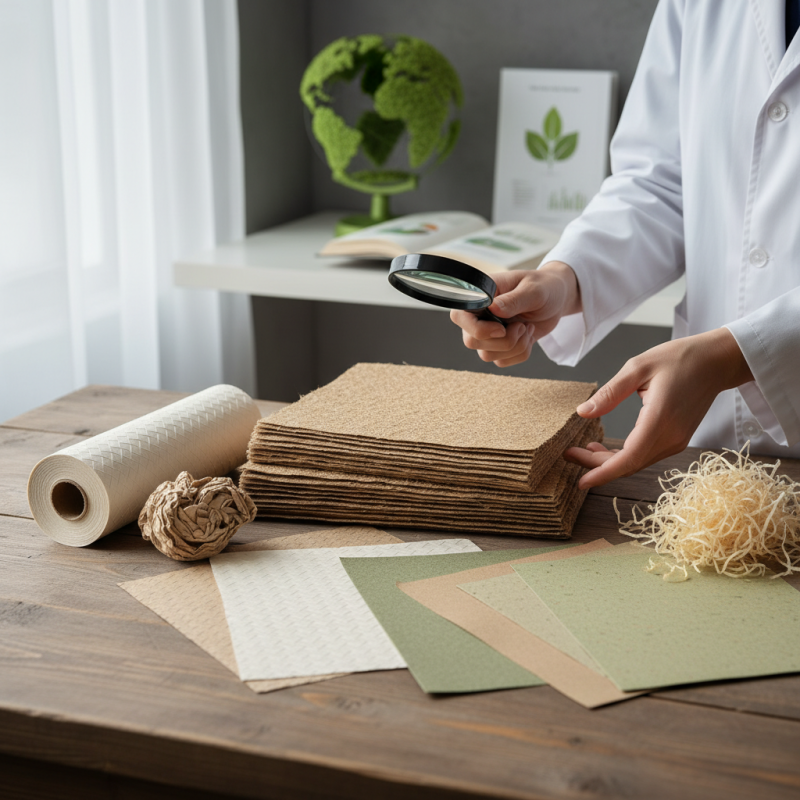
Overview of Biodegradable Packing Paper and Its Importance
Biodegradable packing paper plays a crucial role in reducing environmental harm. As consumers prioritize sustainability, the demand for eco-friendly packaging is rising. This type of paper breaks down naturally, differing significantly from plastic options. When disposed of properly, it decomposes, enriching the soil rather than polluting it.
Understanding the importance of biodegradable packing paper means recognizing its broader impact. It helps minimize waste in landfills and oceans. Many companies are now exploring options that align with eco-conscious values. However, the production process needs scrutiny. Sometimes, these papers use additives that may affect their biodegradability.
Educating consumers about proper disposal practices is necessary. Not all biodegradable papers decompose under the same conditions. Without the right environment, some may not break down as expected. This uncertainty calls for ongoing research and better practices in the industry. The journey towards sustainable packaging is not perfect but reflects a commitment to improvement.
2026 Top Biodegradable Packing Paper Options for Global Buyers
| Material Type | Biodegradability | Thickness (GSM) | Recycling Rate | Common Uses |
| Kraft Paper | 3-6 months in compost | 40-150 GSM | 100% | Packaging, Crafts |
| Recycled Paper | Varies by treatment | 50-200 GSM | 80% | Boxes, Bags |
| Plant-Based Paper | Compostable in 90-180 days | 30-120 GSM | 70% | Food Packaging, Wrapping |
| Mushroom Paper | 2-90 days | 50-100 GSM | 100% | Custom Packaging, Design |
| Sugarcane Paper | Compostable in 90-180 days | 50-250 GSM | 75% | Bags, Food Service |
Key Materials Used in Biodegradable Packing Paper Production
Biodegradable packing paper has gained traction in the packaging industry, driven by rising environmental concerns. Key materials play a significant role in its production. Common examples include paper made from recycled fibers, agricultural waste, and biopolymers like polylactic acid (PLA). According to the European Bioplastics Association, biopolymers could account for 30% of global plastics by 2030, highlighting their growing importance.
Recycled paper fibers reduce waste while conserving resources. Agricultural waste materials, often considered byproducts, are now repurposed. This approach not only minimizes pollution but also supports local economies. A recent report from Smithers estimates the global market for biodegradable packaging will reach $400 billion by 2025. Such data underscores the need for sustainable materials in packaging solutions.
However, challenges remain. Not all biodegradable papers decompose efficiently in various environments. The variability in composting conditions can affect degradation times. Some products may require specific industrial composting facilities. This complicates the widespread adoption of biodegradable packing paper. Continued research is essential to enhance the performance and accessibility of these materials.
2026 Top Biodegradable Packing Paper Options for Global Buyers
This chart illustrates the percentage usage of various materials in the production of biodegradable packing paper for 2026. The data shows that recycled paper is the most commonly used material, followed by kraft paper and PLA coated paper.
Top Brands Offering Biodegradable Packing Paper in 2026
As sustainability becomes a priority for businesses worldwide, biodegradable packing paper options are gaining traction. In 2026, various brands strive to innovate within this sector while catering to global buyers. These eco-friendly products not only reduce waste but also ensure safe packaging for diverse items.
When selecting biodegradable packing paper, consider the thickness and weight of the materials. Thicker paper provides added protection but may impact biodegradability. Buyers should reflect on how they balance protection and sustainability. It's crucial to ensure the paper decomposes in various environments, minimizing environmental harm.
Tips: Check for certifications that guarantee the product's compostability. Research each brand's production process, as transparency builds trust. Always ask for samples to evaluate texture and durability. Finding the right fit for your needs may require some trials and adjustments along the way. Each choice counts in the journey towards a greener future.
Comparative Analysis of Biodegradable Packing Options for Global Buyers
When evaluating biodegradable packing options, it's crucial to consider various materials. Kraft paper remains a popular choice due to its natural properties. It is strong and can break down easily. Additionally, it has a low environmental impact. Compostable films are also emerging, offering moisture resistance. These films can protect contents while being eco-friendly.
However, not all biodegradable options perform equally. Some might degrade under specific conditions only. This aspect can lead to inconsistencies in reliability. Buyers should also examine the sourcing of materials, as environmental claims can vary widely. Awareness of certifications is important to ensure genuine sustainability.
Ultimately, the selection process requires careful thought. Each material type has its benefits and limitations. Buyers may find it challenging to balance performance with eco-friendliness. Research is key to making informed choices in an ever-evolving market.
Sustainability Standards and Certifications for Biodegradable Products
When considering biodegradable packing paper, it’s vital to understand sustainability standards and certifications. These criteria ensure that products meet specific environmental benchmarks. Certifications like ASTM D6400 and EN 13432 are popular, confirming that materials can biodegrade within a certain timeframe. This adds credibility to the product claims, allowing buyers to make informed choices.
Many materials can qualify as biodegradable, but not all meet rigorous standards. It's essential to scrutinize the packaging and labels. Watch for misleading terms like "eco-friendly" without clear certification. This can lead to false assumptions about sustainability.
Buyers should also be aware of the lifecycle of these materials. Not every biodegradable product decomposes effectively in every environment. The distinction between industrial composting and home composting must be clear. A lack of awareness about these differences can hinder true sustainability efforts. Reflecting on such complexities is crucial for responsible purchasing decisions.