Top 10 Ball Screws for Sale What to Consider Before Buying
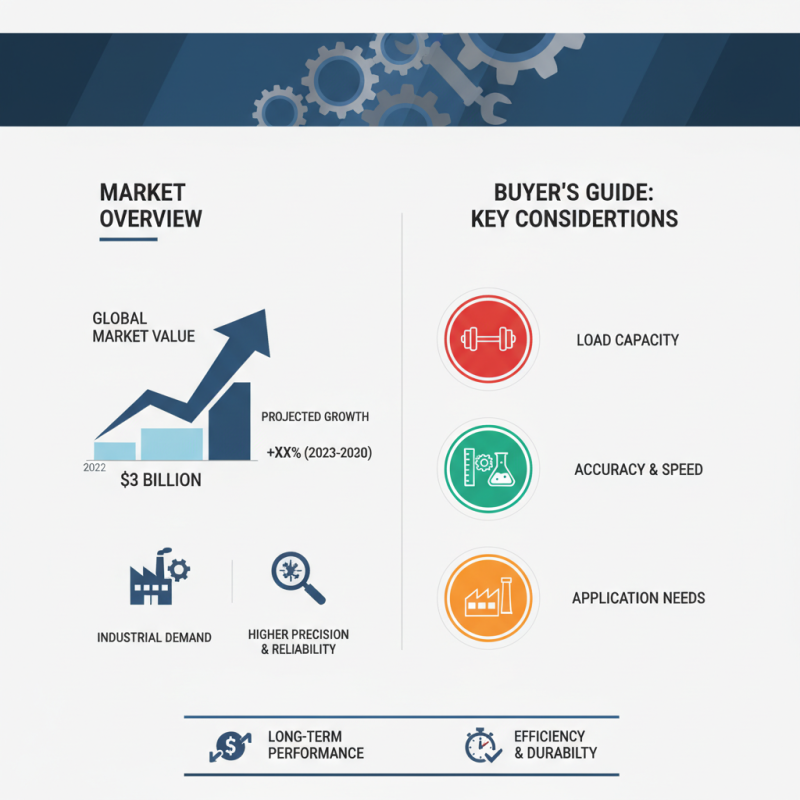
When searching for a ball screw for sale, understanding the market is crucial. The global ball screw market was valued at approximately $3 billion in 2022 and is projected to grow significantly. As industries demand higher precision and reliability, selecting the right component becomes essential.
Many factors influence the choice of a ball screw. Load capacity, accuracy, and speed are vital considerations. It's not always easy to find the perfect match. Many buyers overlook the importance of material quality. Using inferior materials can lead to premature failure and costly downtime.
Buyers must also evaluate their application needs closely. It’s easy to get swayed by price alone. Investing in a higher-quality ball screw can yield better long-term performance. Addressing these factors ensures that buyers make informed decisions, maximizing both efficiency and durability in their operations.
Factors to Consider Before Purchasing Ball Screws
When considering the purchase of ball screws, several factors come into play. The screw's load capacity is paramount. Different applications demand varying load requirements. For instance, a report by the American Bearing Manufacturers Association indicates that underestimating load capacity can lead to premature wear and failure. It's essential to consult application guidelines to avoid costly downsides.
The material and finish also matter significantly. A quality ball screw is often made from high-grade steel to endure wear. However, some manufacturers might cut corners with cheaper materials. This decision can impact performance. Corrosion resistance should be evaluated, particularly for environments with moisture. A survey by Mechanical Engineering magazine states that nearly 30% of mechanical failures are due to inadequate corrosion protection.
Precision is another critical consideration. The manufacturing tolerances can affect the screw's operational efficiency. Tight tolerances lead to better performance but may increase costs. A balance must be struck between precision and budget. Some consumers may gravitate toward lower-priced options, only to face backlash in quality later.
Key Specifications: Load Capacity and Diameter
When choosing ball screws, understanding key specifications is crucial. Load capacity and diameter are two primary factors to consider. The load capacity defines how much weight the screw can handle. If you underestimate it, you risk damaging your machinery. On the other hand, the diameter influences the screw's stability and precision.
Tips: Always calculate the expected load. Consider any potential overload scenarios. This ensures the screw will perform well over time.
Diameter affects not only the strength but also the fit within your system. A larger diameter provides better stability but also requires more space. If you have constraints, this might pose a challenge. It's important to strike a balance between strength and space limitations.
Tips: Measure your available space carefully. Sometimes choosing a screw that's slightly smaller can fit better, even if it means sacrificing some load capacity. Listen to the feedback from your systems. Adjustments may be necessary for optimal performance.
Material Quality and Manufacturing Standards
When considering ball screws, material quality and manufacturing standards play crucial roles. According to industry reports, the ideal ball screw should utilize high-grade materials like bearing steel or stainless steel. These materials not only enhance strength but also improve wear resistance. A recent study showed that screws made from premium materials can last up to 40% longer than those made from lower-grade alloys.
Manufacturing standards are equally important. Precision during production ensures that the ball screw maintains high accuracy and efficiency. The International Organization for Standardization (ISO) recommends strict guidelines for the production of ball screws. Factories that adhere to these standards often report lower rates of failure and better performance metrics. However, not all manufacturers meet these expectations, leading to discrepancies in product quality.
Investing in a well-manufactured ball screw can save time and costs in the long run. There are numerous options available, and choosing the right one requires careful consideration. Quality checks and certifications should not be overlooked. It's essential to scrutinize manufacturing processes detailed in product documentation. Neglecting these aspects can lead to costly rejections in critical applications.
Cost-Effectiveness: Balancing Price and Performance
When considering ball screws for purchase, cost-effectiveness is paramount. It's essential to balance price and performance. A cheaper option might seem attractive. However, it could compromise quality. Low-cost ball screws often have a shorter lifespan. This results in more frequent replacements, driving up overall costs.
Examining specifications is crucial. Look for load capacity and accuracy. These features can impact performance significantly. Some ball screws have superior efficiency at higher speeds. Yet, they might come with a heftier price tag. It's about finding that sweet spot.
Also, think about the application. Are you using the ball screws for light or heavy machinery? The demands will differ. A heavy-duty application may require a more robust design. It’s easy to get wrapped up in brand names. But always focus on the core metrics that truly matter. Reflecting on your specific needs will guide you in making the best decision.