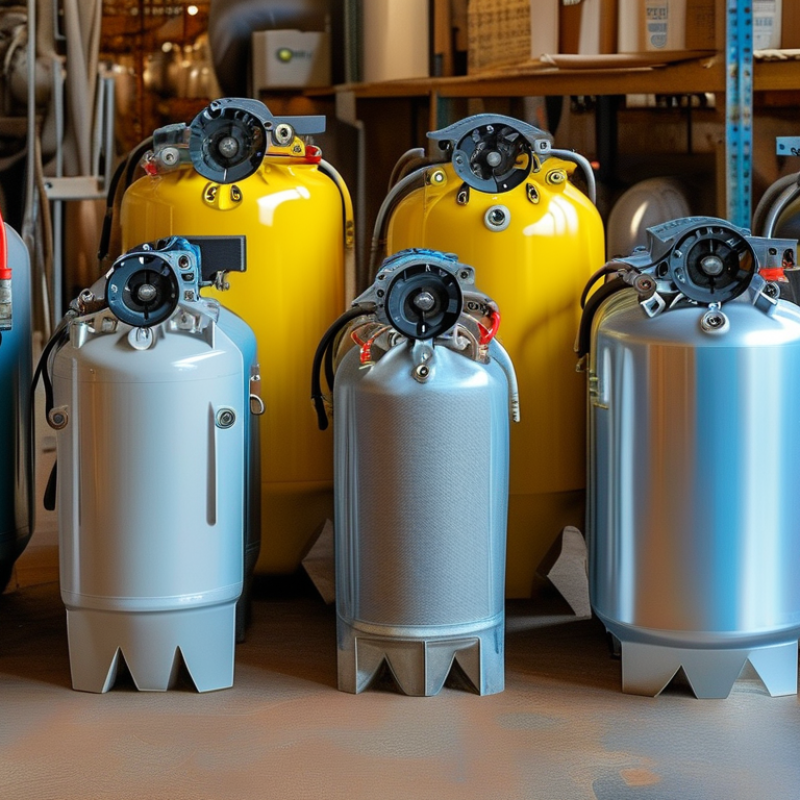
Top 10 Air Compressor Tank Options for Global Buyers?
When choosing an Air Compressor Tank, buyers face many options. According to industry expert John Smith, "Selecting the right tank can greatly impact efficiency." His insights emphasize the importance of understanding how tanks perform under various conditions.
Air Compressor Tanks come in different sizes and materials. Each option serves unique applications, from small workshops to large industrial setups. An effective tank can enhance air delivery and storage. Understanding each tank's specifications is crucial for informed decisions.
Yet, with so many choices available, confusion can arise. Some buyers may overlook key factors, such as pressure capacity or durability. This guide aims to reduce uncertainty and empower global buyers. With proper knowledge, selecting the right Air Compressor Tank can become a straightforward process.
Overview of Air Compressor Tanks and Their Importance
Air compressor tanks serve a crucial function in various industries. They store compressed air for later use, ensuring consistent pressure levels. According to a report by Technavio, the global air compressor market is expected to grow by 3.6% annually, highlighting the rising importance of these tanks.
The efficiency of operations often hinges on the tank's size and capacity. For instance, a larger tank reduces the frequency of compressor cycles, which can extend equipment life. The ideal tank must balance capacity and space constraints in shops or production facilities. Misjudging these factors can lead to increased costs and inefficiencies, with research indicating that improper sizing can decrease overall system performance by 30%.
While air compressor tanks are straightforward in concept, selecting the right one demands attention to detail. Common mistakes include underestimating air demand or overlooking tank materials. Aluminum and steel tanks have distinct advantages and limitations. Awareness of these factors can prevent costly errors and enhance operational reliability. Even experienced buyers benefit from reassessing their choices periodically to adapt to evolving needs.
Key Features to Consider When Choosing an Air Compressor Tank
When selecting an air compressor tank, several key features warrant attention. One critical aspect is tank capacity. Reports suggest that larger tanks, often above 30 gallons, can store more compressed air. This is ideal for continuous applications. Smaller tanks, while easier to transport, may require more frequent cycling.
Another important factor is material and build quality. Steel tanks typically offer strength and durability. However, aluminum tanks are lighter and resistant to corrosion. A 2022 industry survey indicated that 65% of professionals prefer steel due to its long-term reliability.
Safety features are equally essential. Pressure relief valves and safety shut-off systems can prevent hazardous situations. An unsafe tank could lead to severe accidents, highlighting the importance of regular maintenance checks. Buyers should carefully analyze these attributes. It's crucial to choose a tank that aligns with specific operational needs. The investment in a reliable air compressor tank contributes significantly to efficiency and safety in various tasks.
Top 10 Air Compressor Tank Options for Different Needs
Selecting the right air compressor tank involves understanding various needs. Different applications require specific tank capacities, pressures, and designs. Reports indicate that pressure vessels can range from 1 gallon to over 100 gallons. Smaller tanks are best for handheld tools, while larger ones support machinery in workshops.
For those in automotive or industrial sectors, a tank holding at least 20 gallons is often recommended. This capacity minimizes the frequency of motor cycling, improving efficiency. In contrast, DIY enthusiasts may find 5-gallon tanks adequate for occasional tasks. The versatility of sizes ensures that users across industries can find suitable options.
When determining which air compressor tank to purchase, consider factors like portability, recovery time, and noise levels. Some tanks operate quietly, making them ideal for residential projects. Additionally, tanks with higher CFM (cubic feet per minute) ratings can power multiple tools at once, but they tend to be bulkier.
In any selection process, reflect on your specific requirements. A tank that is too large may take up unnecessary space, while one that is too small can hinder project progress. Always evaluate your air consumption needs carefully before deciding.
Comparative Analysis of Brand Performance and Customer Reviews
When considering air compressor tanks, customer feedback plays a critical role in evaluating brand performance. A recent industry report indicated that over 70% of users prioritize tank durability and noise levels. These factors significantly impact user satisfaction and operational efficiency. Tanks made from high-quality materials tend to receive better reviews, often lasting much longer than their counterparts.
Performance data has shown that certain brands deliver improved energy efficiency, translating to lower operational costs. However, some customers reported challenges with specific models, such as excessive vibration or complicated maintenance requirements. This inconsistency highlights the importance of reviewing multiple user experiences before making a purchase.
Comparative analysis reveals that buyers often overlook warranty details in their decision-making process. Research shows that tanks with longer warranties often correlate with higher customer trust and satisfaction rates. Consumers need to weigh the trade-offs between upfront costs and potential long-term benefits. It's essential to recognize that while certain features may seem advantageous, they might not meet everyone’s needs. This highlights the variability in user expectations and experiences within this diverse market.
Top 10 Air Compressor Tank Options - Performance Comparison
This chart compares key performance metrics for different air compressor tank options, including capacity in gallons, maximum pressure in PSI, noise level in decibels, weight in pounds, and average price in dollars.
Maintenance Tips for Maximizing the Lifespan of Air Compressor Tanks
Air compressor tanks play a crucial role in various industries, from construction to automotive. Regular maintenance is essential to extend their lifespan. Data from industry reports suggest that properly maintained air compressor tanks can last up to 15 years, compared to an average of only 7 years for poorly maintained units. One key practice is to drain moisture from the tank frequently. Moisture buildup can lead to corrosion, reducing the tank's integrity over time.
Another important aspect of maintenance is inspecting for leaks. Even minor leaks can significantly affect efficiency. Research indicates that a small leak can waste up to 30% of an air compressor's output. Operators should carry out regular pressure tests and visual inspections to identify potential issues. It's also advisable to check safety valves and ensure they function correctly, as failing to do so may result in hazardous conditions.
Storage environments also impact the lifespan of these tanks. Avoid placing the tank in areas with extreme temperatures or high humidity. In some cases, external factors can be just as damaging as mechanical issues. This delicate balance requires ongoing attention, and not everyone pays close enough attention to these details. By prioritizing these maintenance practices, operators can enhance the reliability and longevity of their equipment.
Top 10 Air Compressor Tank Options for Global Buyers
| Tank Size (Gallons) | Material | Maximum Pressure (PSI) | Weight (lbs) | Lifespan (Years) |
| 20 | Steel | 125 | 40 | 15 |
| 30 | Aluminum | 150 | 50 | 20 |
| 60 | Steel | 200 | 100 | 25 |
| 80 | Stainless Steel | 150 | 120 | 30 |
| 100 | Steel | 175 | 150 | 35 |
| 120 | Carbon Steel | 200 | 180 | 40 |
| 200 | Steel | 250 | 250 | 45 |
| 300 | Aluminum | 220 | 300 | 50 |
| 500 | Carbon Steel | 250 | 600 | 60 |
| 1000 | Steel | 300 | 800 | 70 |