Top 10 Ai Powered Toys that Enhance Learning and Play?
The landscape of childhood play is evolving rapidly with the rise of Ai Powered Toys. Expert Dr. Emily Carson, a leading figure in educational technology, states, “Ai Powered Toys transform learning into an engaging adventure.” These innovative toys blend fun with education, stimulating young minds in unprecedented ways.
Imagine a child interacting with a robot that not only plays games but also teaches coding fundamentals. Such toys encourage problem-solving skills while keeping playtime exciting. They can adapt to a child’s learning pace, making education feel less daunting. However, there's a need to reflect on potential over-reliance on technology in play. Balancing screen time with outdoor activities remains vital.
The market for Ai Powered Toys is expanding, offering parents numerous options. Some toys focus on STEM skills, while others promote creativity and collaboration. Yet, it’s essential to choose wisely. Not all Ai Powered Toys are created equal; some may not deliver the promised educational benefits. Parents should look for products backed by research and expert recommendations.
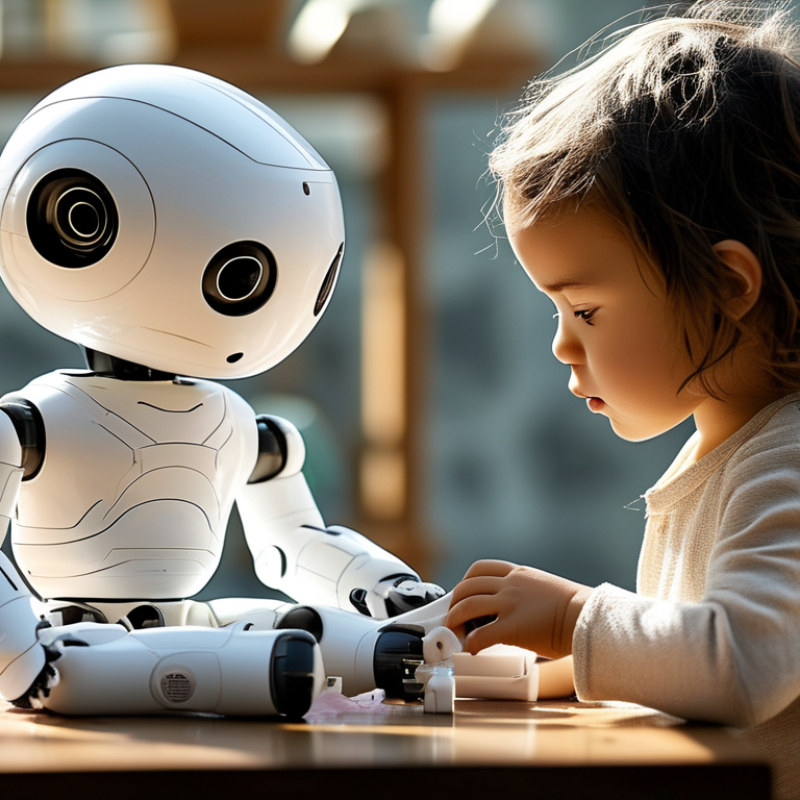
Overview of AI-Powered Toys for Children’s Learning and Play
AI-powered toys offer exciting opportunities for children's learning and play. These innovative tools use technology to engage kids in fun, educational experiences. Interactive storytelling is one approach, allowing toys to narrate tales based on children’s choices. This encourages creative thinking and language skills.
Tips: When selecting an AI toy, consider your child’s age and interests. Not all AI toys suit every child. Observe how your child interacts with the toy. It can reveal whether it's a good fit. If they lose interest quickly, it may not be the right choice.
Another feature to look for is adaptability. Some toys adjust their difficulty based on the child's progress. This ensures children are challenged without becoming frustrated. Such features promote persistence and problem-solving skills.
Tips: Engage with your child during playtime. Ask them questions about the game or story. This fosters communication skills and deeper understanding. Reflecting on their experiences can enhance the learning process, turning every session into an opportunity for growth.
Criteria for Evaluating Educational Value in AI Toys
When evaluating AI-powered toys for educational value, several criteria are essential. First, consider the age appropriateness of the toy. Does it match the developmental stages of the child? Toys must challenge kids without causing frustration. This balance is crucial for effective learning.
Next, think about engagement factors. Does the toy promote active participation? Toys that encourage children to interact can enhance their focus and retention. Look for toys that integrate physical play with digital interfaces. This combination can stimulate different learning styles.
Moreover, assess the toy's ability to adapt to individual learning paces. Not all children learn the same way. A toy that adjusts its difficulty level provides tailored learning experiences. Lastly, consider the potential for collaborative play. Products that encourage teamwork can help develop social skills and foster a sense of community among peers. This aspect is often overlooked but immensely important for holistic development.
Top 10 AI-Powered Toys that Enhance Learning and Play
Top 10 AI Toys and Their Unique Learning Features
AI-powered toys are transforming the way children learn and play. These innovative toys combine technology with interactive elements, fostering creativity and problem-solving skills. Here are some unique features of these toys that enhance the learning experience.
Many AI toys adapt to a child’s learning pace. They assess responses and tailor challenges accordingly. This feedback loop keeps kids engaged. For instance, a puzzle might shift in difficulty based on how quickly the child completes it. Kids are motivated to try again. Failure becomes a learning moment.
Incorporating AI into play also promotes social skills. Some toys encourage teamwork and communication. They may require children to collaborate to solve a problem or complete a task. This aspect fosters cooperation and empathy.
Tips for parents: Choose toys that match your child’s interests. Observe how they interact with the toy. Are they engaged? Do they ask questions? Some toys may have steep learning curves. It’s essential to guide children without taking over. Remember, the goal is to inspire confidence and curiosity.
Case Studies: Impact of AI Toys on Child Development
The integration of AI-powered toys in children’s play has shown significant impacts on their development. Research indicates that children engaging with these educational tools can improve problem-solving skills by up to 30%. Additionally, these toys often encourage interactive learning, fostering communication skills in young users. According to a report by the Joan Ganz Cooney Center, exposure to interactive play can enhance cognitive flexibility, a crucial skill for adapting to new information.
Tips:
- Promote cooperative play. Encouraging children to play together with AI toys can teach teamwork and social skills.
- Monitor screen time. Balancing play with other activities is vital for healthy development.
Despite the advancements, there are challenges. Many parents express concern over screen dependency when using such toys. It's essential to evaluate the content delivered by these toys, as not all AI-driven interactions are beneficial. Reports suggest that moderation is key to maximizing learning while minimizing potential over-dependence on technology. Thoughtful selection of toys is important, as they should support developmental milestones without overshadowing traditional play.
Future Trends in AI Technology for Educational Toys
In recent years, educational toys powered by AI have gained notable attention. Reports suggest that the global market for AI in toys is expected to reach $6.7 billion by 2026, growing at a compound annual growth rate (CAGR) of 21.3%. This rapid growth reflects an increasing demand for innovative learning tools that combine play and education, fostering analytical thinking and creativity in children.
Future trends indicate a shift towards highly personalized learning experiences through AI. Current technologies can adapt to a child's learning pace, offering suggestions based on their performance. Studies show that 73% of educators believe personalized learning leads to better student engagement. However, reliance on technology raises concerns about screen time and the balance between virtual interactions and real-world play.
Moreover, the ethical implications of AI in toys cannot be ignored. With data privacy issues gaining prominence, safeguarding children's information is paramount. While AI can enhance learning, it may also lead to dependency on devices for educational engagement. Finding the right balance between traditional play and technology is a challenge educators and parents face. There is much to reflect on as the industry evolves.