What Are the Top 10 Graphite Sheet Manufacturers in China?
China has a broad graphite-sheet supply base, serving electronics, electric vehicles, industrial equipment, and other applications. Yet choosing a manufacturer is not as simple as comparing catalog prices. A sheet used to spread heat inside a compact device faces different demands from one used for sealing or electrical insulation.
Carbon scientist Mildred Dresselhaus called carbon “the most versatile element in the periodic table.” That versatility matters here. Graphite Sheet performance depends on material structure and processing, as well as thickness, density, flexibility, and thermal behavior. A datasheet may look convincing; a sample cut to the required dimensions can reveal wrinkles, uneven edges, or handling problems that a specification table misses.
This guide examines ten Chinese manufacturers through practical buyer considerations: product range, stated technical capabilities, customization, quality documentation, and responsiveness to sample requests. These factors help readers compare suppliers, but they do not replace independent testing. Public information can be incomplete, and a company’s capabilities may vary across product lines. That is worth remembering.
Before placing an order, confirm the exact grade, dimensions, tolerances, and test methods with the manufacturer. Ask how production batches are checked, and compare samples under the conditions your product will actually face. The list is a starting point—not a guarantee of fit.
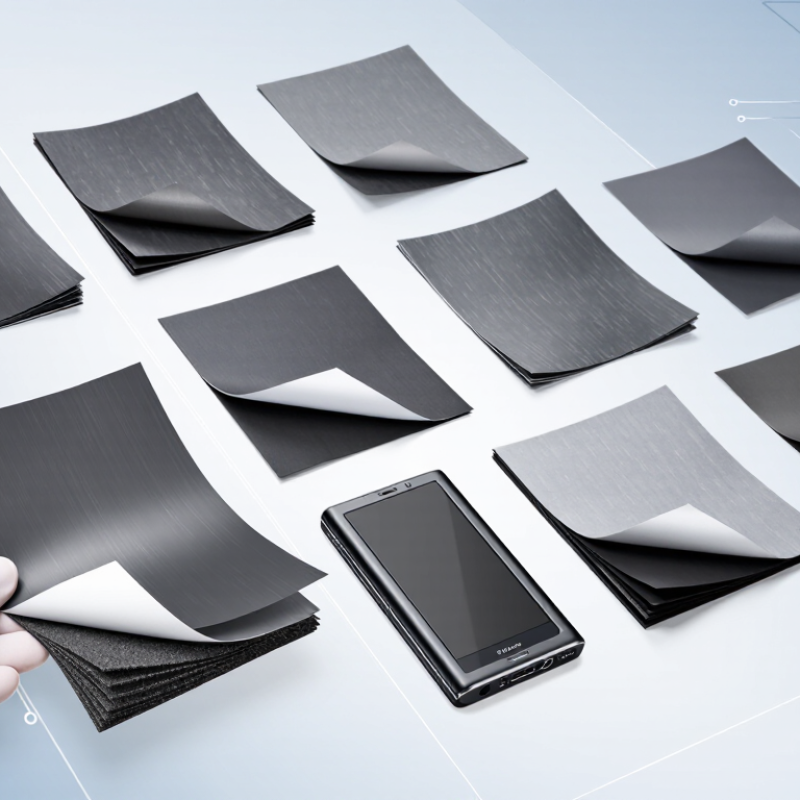
Understanding Graphite Sheets and Their Industrial Applications
Graphite sheets are thin, flexible materials made from natural or synthetic graphite. Some are expanded and compressed into flexible graphite sheets, while others are engineered for thermal management. Their layered structure helps conduct heat, but performance varies by direction and grade. Details matter.
In electronics, graphite sheets can spread heat from processors, batteries, and compact lighting components. Many conduct heat efficiently along the sheet while transferring less through its thickness. This directional behavior can help move hot spots toward a larger cooling area. In industrial equipment, flexible graphite sheets are also used as gasket material around flanges and valves, where they can conform to uneven surfaces and tolerate elevated temperatures within specified limits. Fit is critical.
Choosing a sheet means checking thickness, density, thermal conductivity, compressibility, and resistance to oxidation. For sealing, operating pressure and surface finish matter too; a suitable grade in one assembly may not suit another. Datasheets provide useful comparisons, but test conditions should match the intended application. A design can look sound on paper, then disappoint after repeated heating cycles. Small-scale trials often reveal issues that specifications alone miss.
Criteria for Evaluating Chinese Graphite Sheet Manufacturers
Evaluating Chinese graphite sheet manufacturers requires more than comparing quoted prices. Start with the product specifications: thickness tolerance, density, thermal conductivity, and resistance to compression. Ask how each figure was measured. A value without a test method is difficult to compare. Small details matter.
Request samples from the same production grade you may order. Inspect edges for fraying, thickness consistency, and visible defects under ordinary lighting. Then test sheets under conditions close to your application, including temperature and contact pressure. Check whether the supplier can provide batch records and explain how raw materials and production changes are tracked. Documentation should be clear, not merely impressive-looking.
Production capacity and delivery history also deserve careful review. Ask about typical lead times, minimum order quantities, and procedures for handling rejected batches. Technical support matters when a sheet must fit a particular heat-management design. A quick, specific answer is more useful than a broad promise. Price still counts, but the cheapest quote may omit testing or packaging details. One comparison can miss something. Even a detailed checklist cannot predict every production variation, so confirm important requirements in writing and evaluate samples before placing a large order.
Profiles of 10 Leading Graphite Sheet Manufacturers in China
China’s graphite sheet sector includes manufacturers with different strengths. These profiles describe capabilities, not a verified ranking. A precision-sheet producer may focus on tight thickness tolerances for compact electronics. A flexible-graphite specialist may supply sheets for sealing, with attention to density and compression recovery. A thermal-management supplier may convert graphite into custom-cut components for heat spreading. Details matter.
A high-volume converter may offer roll-to-sheet processing and consistent batch control. A custom fabricator may handle small runs, unusual shapes, and prototype changes. An export-oriented producer may provide technical documents and protective packaging for long-distance shipping. A materials-focused manufacturer may test thermal conductivity, ash content, and thickness before dispatch. Buyers should request current test data; specifications can vary by grade and process.
Other profiles include a supplier serving battery-related applications, where cleanliness and dimensional stability are important; a gasket-focused producer, where sealing performance depends on installation conditions; and an integrated processor that manages forming, cutting, and inspection. Ask about sample availability, tolerance ranges, and quality records. A polished catalogue is not proof of production consistency. Even capable suppliers may differ in lead time, customization, and after-sales support. The best fit depends on the application and verified requirements.
Comparing Product Range, Quality, and Customization Capabilities
When comparing China’s graphite sheet manufacturers, look beyond catalog size. A useful product range may include flexible graphite foil, reinforced sheets, laminated forms, and precision-cut parts. Check available thicknesses, density grades, surface treatments, and temperature limits. These details show whether a supplier can support both sealing and thermal-management applications. The USGS Mineral Commodity Summaries 2025 estimates China produced 1.27 million metric tons of natural graphite in 2024, out of about 1.6 million worldwide. That scale supports a broad supply base, but it does not prove any sheet’s quality. Raw material and finished-product performance are different things.
Ask for measured data, not general assurances. Compare density, thermal conductivity, electrical properties, compression recovery, and thickness tolerance using the same test conditions. Request a certificate of analysis and samples from a regular production lot. Customization matters too: confirm die-cut accuracy, adhesive options, minimum order quantities, and whether tooling changes affect lead time. A polished sample can hide variation. I would check more than one batch.
Tips: Send a drawing with tolerances, operating temperature, and fluid exposure. Ask suppliers to report test methods and sample size. Small differences matter. For critical parts, inspect trial pieces before approving a production run.
How to Select a Graphite Sheet Supplier in China
Choosing a graphite sheet supplier in China starts with your application, not the lowest quote. For battery, heat-spreader, or sealing use, compare thickness tolerance, density, ash content, compressibility, and in-plane thermal conductivity. Ask for the test method and a recent batch certificate; figures without methods are hard to compare. The IEA’s Global Critical Minerals Outlook 2024 projects clean-energy graphite demand could grow about 4.5 times by 2040 in its Announced Pledges Scenario. That outlook signals growing pressure on supply, but it does not prove an individual factory’s quality or capacity.
Request samples from the same grade and thickness you plan to order. Measure them after conditioning, then test performance in your actual assembly. Check whether the supplier can trace raw material to finished rolls, explain process controls, and maintain consistent results across batches. A factory audit can reveal storage conditions, inspection equipment, and whether records match production. Still, a polished audit may miss everyday variation. Verify again with a pilot order.
Tips: Put acceptance limits, packaging, and change-notification rules in writing. Ask how defects are handled, and keep a retained sample from each approved batch. Low prices can be tempting. Recheck the trade-offs.
How to Select a Graphite Sheet Supplier in China
Compare product specifications—not supplier names. The chart shows indicative thermal-conductivity ranges for flexible graphite sheet; actual values vary by grade, density, thickness, and test method.
Before choosing a supplier, request grade-specific datasheets and test reports, and confirm that conductivity is measured in the direction and under the conditions relevant to your application.