China Top 10 Chamfering Cutter Suppliers 2026
China Top 10 Chamfering Cutter Suppliers 2026 introduces manufacturers shaping China’s precision cutting-tool market. This guide examines suppliers through practical, measurable criteria rather than promotional claims. Product consistency, material quality, edge geometry, coating options, delivery capability, and technical support all matter.
A reliable Chamfering Cutter supplier should explain its manufacturing process clearly. Look for carbide grades, cutting angles, shank tolerances, surface finishes, and application guidance. These details influence burr control, tool life, and machining stability. A cutter used on aluminum may require different geometry from one used on hardened steel. Small differences can become expensive during continuous production.
This selection also considers factory experience, inspection systems, customization services, export readiness, and customer communication. Certifications can support credibility, but they never replace independent verification. Samples, drawings, inspection reports, and trial results deserve careful attention. Promising words are not enough.
The ranking should be viewed as a practical starting point, not a permanent judgment. Supplier capabilities can change during 2026. Prices, lead times, coatings, and minimum order quantities may shift without much notice. Some companies may appear strong online but offer limited engineering support after payment. That risk deserves attention. Readers should confirm current specifications directly before making purchasing decisions. Actual performance depends on machine rigidity, workpiece material, cutting parameters, coolant, and operator experience. Even an excellent Chamfering Cutter can perform poorly under unsuitable conditions. This guide aims to make supplier comparison clearer, more balanced, and closer to real workshop decisions.
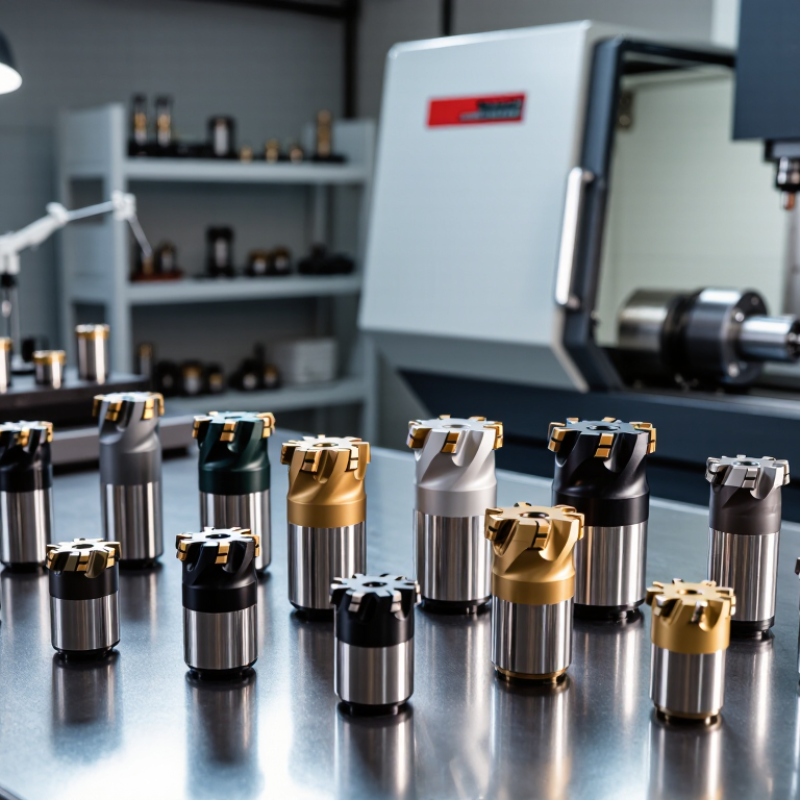
China’s Chamfering Cutter Market and Supplier Selection Criteria
China Top 10 Chamfering Cutter Suppliers 2026
China’s chamfering cutter market is supported by automotive, mold, aerospace, and general machining demand. Grand View Research valued the global cutting tools market at about USD 23.8 billion in 2023. Asia-Pacific held the leading regional share. China remains a major production and export base, according to China Machine Tool Industry Association industry data. However, market size alone does not prove supplier quality.
Buyers should examine edge geometry, carbide grade, coating consistency, and runout control. A practical trial should measure burr height, tool life, surface finish, and cycle cost. Ask for inspection records, material certificates, and sample results from similar workpieces. ISO 9001 certification supports process control, but it is not a substitute for cutting tests. I would also verify delivery stability through recent purchase records. This step is often neglected. A low quotation may conceal unstable batches or excessive regrinding costs.
Tips:
Compare suppliers using the same workpiece, spindle speed, feed rate, and coolant. Request at least three samples. Record results in a simple test sheet. Do not judge only by catalog size. The strongest supplier may be the one that explains failure risks clearly, not the one promising the longest tool life. Reports from MarketsandMarkets and CMTBA can help track wider tooling demand, but niche chamfering data remains limited. That limitation deserves honest attention.
Top 10 Chamfering Cutter Suppliers in China for 2026
Top 10 Chamfering Cutter Suppliers in China for 2026 should be assessed through measurable performance, not advertising claims. China Machine Tool Industry Association data reported approximately RMB 47.3 billion in cutting-tool consumption in 2023. This figure shows the market’s scale, but it does not prove chamfering expertise. A reliable supplier should provide stable edge geometry, low runout, suitable coatings, and test results for steel, aluminum, and cast iron.
The 2026 supplier shortlist should include manufacturers with practical production evidence. Check carbide grade, included-angle accuracy, flute finish, and batch consistency. Ask for inspection records, sample trials, and replacement policies. Fast delivery also matters when a cutter is used on automated machining lines. According to industry research from MarketsandMarkets, demand for metal-cutting tools continues to rise with automation and precision manufacturing. Chamfering Tools benefit from this shift, especially in automotive, aerospace, mold, and general engineering applications.
A ranking can still mislead.
Some suppliers offer impressive catalogs but limited process support. Others produce fewer models yet solve difficult burr and edge-quality problems. My evaluation would give greater weight to cutting tests, technical response time, and documented service history. Price should remain a factor, but low cost can hide short tool life or inconsistent coating quality. One weakness remains: public data rarely separates chamfering cutters from the wider cutting-tool category. Each 2026 selection therefore needs independent samples, workshop feedback, and careful verification before purchase.
Product Range, Materials, and Manufacturing Capabilities
China Top 10 Chamfering Cutter Suppliers 2026
China’s leading chamfering cutter suppliers serve varied machining needs. Their product ranges often include single-flute chamfer mills, countersinks, deburring tools, and custom profiles. Standard sizes support routine workshop tasks. Custom designs address aerospace, automotive, mold, and precision engineering applications. Fit matters.
Material selection directly affects tool life and surface quality. High-speed steel cutters suit general machining and moderate production volumes. Solid carbide offers higher hardness, better rigidity, and improved performance on tougher alloys. Polycrystalline diamond tools may support abrasive nonferrous materials. Coatings such as TiAlN or AlTiN can reduce friction and heat. However, coating choice must match cutting speed, workpiece material, and coolant conditions.
Manufacturing capability separates reliable suppliers from catalog-only traders. Experienced factories usually combine CNC grinding, multi-axis machining, edge preparation, and automated inspection. Ask for runout data, hardness reports, coating specifications, and sample measurements. These records show process control. Data matters. Some suppliers provide strong customization but limited delivery capacity. Others offer fast standard production but weaker technical support. This difference deserves careful checking. Supplier audits should review equipment age, calibration records, inspection methods, and operator training. No supplier is perfect. A promising quotation can still hide inconsistent tolerances or unclear material origins. Practical trials remain essential before approving large orders, especially for small diameters and high-speed applications.
Quality Standards, Pricing, Delivery, and Customization Comparison
China Top 10 Chamfering Cutter Suppliers 2026
Comparing China’s top ten chamfering cutter suppliers requires more than checking online rankings. Quality evidence should include material certificates, dimensional inspection records, and cutting tests. Ask about carbide grade, edge geometry, coating thickness, and runout control. For many workshop applications, runout below 0.02 mm is a practical benchmark. However, measurement methods differ, so request the inspection standard before comparing results. Pricing often changes with diameter, flute design, coating, order volume, and packaging. A basic cutter may be inexpensive, while a precision custom tool costs considerably more. Delivery commonly ranges from one to four weeks, but samples and special coatings may extend the schedule. My experience is that the cheapest quotation is rarely the safest choice. Still, higher prices do not automatically prove better performance.
Tips: Request one sample before placing a bulk order. Confirm tolerances in writing. Compare total cost, not only unit price. Ask for replacement support when edges fail early. Customization can cover shank size, chamfer angle, cutting length, coating, and labeling. Reliable suppliers should explain production limits clearly, rather than promise everything. One weak point remains: supplier data may be self-reported. Independent testing is better when tool life affects production costs. A small trial can reveal chatter, burr formation, and coating wear within hours.
China Top 10 Chamfering Cutter Suppliers 2026 — Quality, Pricing, Delivery & Customization Comparison
The chart compares ten anonymous Chinese supplier profiles using a normalized 0–100 benchmark. Quality combines dimensional consistency, coating performance, and inspection capability. Delivery reflects reported on-time fulfillment, pricing competitiveness uses 100 as the most competitive level, and customization measures engineering support, specification flexibility, and prototype responsiveness. Higher scores indicate stronger overall performance.
How to Choose the Right Chinese Chamfering Cutter Supplier
China Top 10 Chamfering Cutter Suppliers 2026
Choosing a Chinese chamfering cutter supplier requires more than comparing catalog prices. Grand View Research valued the global cutting tools market at over USD 20 billion in 2023, with demand driven by automotive, aerospace, and precision machining. This growth attracts capable factories and inexperienced traders. Check whether the supplier controls production, inspection, and coating processes. Request material certificates, hardness data, coating specifications, and a recent inspection report. A supplier should also explain cutter geometry for your material, feed rate, spindle speed, and chamfer angle.
Ask for samples before signing a large order. Measure runout with a dial indicator, preferably at the working edge. For carbide cutters, a runout below 0.01 mm may be suitable for demanding applications, but your machine and workpiece still matter. Test tool life on your actual steel, aluminum, or cast iron. Do not rely only on a polished sample. It may hide inconsistent grinding. China’s machine-tool industry remains substantial; the China Machine Tool Industry Association reported approximately 613,000 metal-cutting machine tools produced in 2023. Scale helps, but it does not guarantee consistency.
Audit communication as carefully as manufacturing. Can the supplier provide batch traceability and respond to a failed sample? Confirm packaging, replacement terms, delivery records, and export documentation. ISO 9001 certification is useful evidence, not final proof. I would also inspect measurement equipment calibration dates. That step is often missed. Price is easy to compare; stability is harder. A supplier that documents small defects honestly may be more reliable than one promising zero failures.