Top 5 Tips for Using a Wheel Alignment Machine?
Proper wheel alignment is essential for vehicle maintenance. A well-aligned car improves handling and prolongs tire life. Using a "Maquina Alinear Ruedas" ensures precise adjustments for optimal performance and safety.
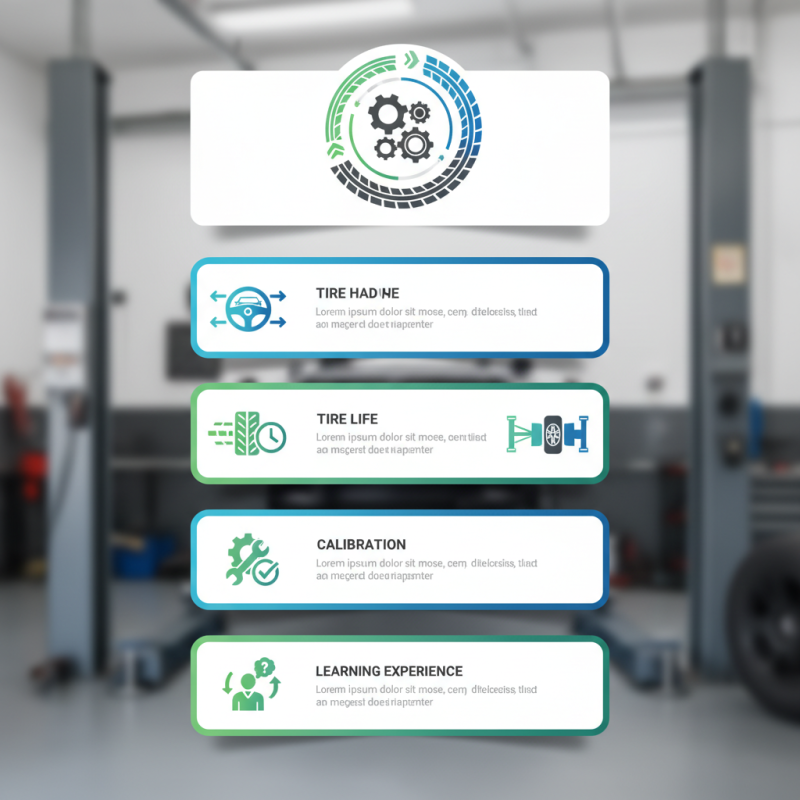
Many technicians overlook the importance of mastering their alignment machine. It can lead to common mistakes, resulting in inaccurate readings. Each time you use the "Maquina Alinear Ruedas," take a moment to revisit its features. Understanding your equipment deeply can prevent errors.
Calibration is crucial. An uncalibrated machine can show misleading data. Regular checks and updates will enhance reliability. Investing time in practice is invaluable. Gaining experience with the "Maquina Alinear Ruedas" can make all the difference in ensuring customer satisfaction. The journey toward expertise is often filled with learning opportunities.
Understanding the Basics of Wheel Alignment Machines
Wheel alignment machines play a crucial role in vehicle maintenance. Understanding how these machines work can save you time and money. At the core of the process are three vital angles: camber, caster, and toe. Camber measures the tilt of the wheel. Caster affects steering stability. Toe determines how the wheels point in relation to the vehicle's center.
Using a wheel alignment machine requires attention to detail. Ensure that the vehicle is on a level surface before starting. An uneven surface can lead to inaccurate readings. Regular calibration of the machine is also essential. A miscalibrated machine can produce inconsistent results. It is recommended to inspect the alignment parameters frequently.
Experience shows that misalignment can lead to uneven tire wear. This not only affects performance but can also be dangerous. Regular checks, ideally after tire changes or suspensions repairs, can prevent issues. Knowing when to use the machine is as important as how to use it. Reflect on the vehicle's handling and make adjustments as needed. Each alignment session offers a chance to better understand your vehicle’s needs.
Top 5 Tips for Using a Wheel Alignment Machine
| Tip | Description | Importance |
| 1. Check Equipment Calibration | Ensure the wheel alignment machine is properly calibrated before use. | Prevents inaccurate readings and misalignment issues. |
| 2. Inspect Vehicle Condition | Examine the tires, suspension, and steering components for wear or damage. | Critical for ensuring accurate alignment adjustments. |
| 3. Follow Manufacturer Guidelines | Adhere to the specific alignment specifications set by the vehicle manufacturer. | Maintains vehicle performance and safety standards. |
| 4. Use Proper Software | Utilize the latest alignment software for accurate data analysis. | Enhances diagnostic precision and efficiency. |
| 5. Test Drive After Alignment | Conduct a test drive to verify successful alignment adjustments. | Ensures that the vehicle handles properly after service. |
Choosing the Right Wheel Alignment Machine for Your Needs
Choosing the right wheel alignment machine is vital for any automotive shop. A quality machine can enhance accuracy and efficiency. When selecting, consider your shop's needs. Think about the types of vehicles you commonly service. Larger vehicles require different specifications than smaller cars.
Analyze the features of each machine. Look for digital displays or advanced sensor technology. These can improve the alignment process and reduce errors. However, remember that complexity can sometimes lead to challenges. Staff training is essential to maximize the machine's capabilities.
Budget also plays a critical role. Investing in a high-end machine may seem appealing, but assess your volume of business first. Will a mid-range option suffice? Balancing cost and quality can be tricky. Exploring online reviews and expert opinions helps in making an informed decision.
Proper Setup Procedures for Accurate Wheel Alignment
When using a wheel alignment machine, proper setup is crucial for achieving accurate results. The alignment process can be significantly impacted by the machine's calibration, accurate measurements, and technician skill. According to the Tire Industry Association, improperly aligned wheels can reduce tire life by up to 25%. This emphasizes the need for precise setup procedures.
One vital tip is to ensure the wheel alignment machine is on a level surface. An uneven base can lead to incorrect measurements. Moreover, regularly calibrating the machine helps maintain accuracy and reliability. Calibration should be performed based on manufacturer guidelines. It's also essential to check that all sensors are clean and functioning properly to prevent any discrepancies in readings.
Another point to keep in mind is tire pressure. Many technicians overlook this, which can lead to skewed alignment results. Confirm that each tire is inflated to the recommended pressure before beginning the alignment process. Maintaining environmental factors also matters. Fluctuations in temperature can affect the machine's performance. Taking steps to stabilize the environment ensures more consistent results.
Common Mistakes to Avoid When Using a Wheel Alignment Machine
Using a wheel alignment machine can seem straightforward, but many make common mistakes. One frequent error is not checking the machine's calibration. Calibration should happen regularly to ensure accurate readings. If the machine is off, it leads to incorrect alignments. Operators must know how to verify the calibration, as it enhances reliability.
Another mistake is neglecting to inspect suspension components. Worn or damaged parts can skew alignment results. Always conduct a thorough inspection before aligning wheels. Many overlook this step, thinking it’s unnecessary. However, problems often arise later, causing repeated alignments and wasted time.
Lastly, not documenting alignment results can be an oversight. Keeping clear records allows for tracking patterns and improvements. It also helps in communicating with customers about their vehicle's condition. Proper documentation reflects professional practice and builds client trust. Remember, avoiding these common pitfalls can improve service quality and create better outcomes for both the technician and the customer.
Maintaining Your Wheel Alignment Machine for Longevity and Performance
Maintaining a wheel alignment machine is crucial for its longevity and optimal performance. Regular calibration is essential. This ensures accurate readings during alignment, minimizing the risk of errors. Check the calibration monthly, or more often if the machine is used frequently. Improper calibration can lead to costly mistakes and unhappy customers.
Keep the machine clean. Dust and debris can affect its functionality. Wipe down the equipment after each use. Pay special attention to sensors and measurement tools. Small particles can interfere with precision. Make cleanliness a habit in your workspace. It shows professionalism and care.
Store the machine in a suitable environment. Extreme temperatures and humidity can damage electronic components. If possible, invest in a climate-controlled area for storage. Moreover, always refer to the manufacturer's guidelines for regular maintenance tasks. Neglecting these can lead to unexpected issues.
Lastly, training staff on proper usage is vital. Even small mistakes can affect alignment accuracy. Create an ongoing training program. Regular assessments can identify gaps in knowledge. This investment in training fosters a culture of quality and accountability within your team.
Top 5 Tips for Using a Wheel Alignment Machine
This bar chart illustrates the importance of the top 5 tips for effectively using a wheel alignment machine. Regular calibration and training staff are critical to ensure the machine operates at optimal performance and longevity.