Essential Tips for Selecting the Right Broaching Nut
Selecting the right Broaching Nut can significantly impact manufacturing processes. According to industry expert John Smith, "Choosing the correct Broaching Nut ensures precision and efficiency." His insights highlight the importance of making informed decisions in this specialized field.
Broaching Nuts play a critical role in various applications. They help create a precise fit for tools and machinery. However, many manufacturers overlook the specific requirements of their applications. Understanding the nuances of Broaching Nuts can lead to better outcomes. Consider factors such as material, tolerance, and design. These elements shape performance and durability.
When selecting a Broaching Nut, it is essential to reflect on your needs. Many users find themselves frustrated by unsuitable choices. Investing time in research prevents costly errors. The right Broaching Nut not only enhances functionality but also ensures a seamless operation within your production line. Remember, a well-informed choice leads to greater success in your projects.
Understanding the Functionality of Broaching Nuts
When selecting a broaching nut, understanding its functionality is critical. Broaching nuts are vital components in machining and mechanical assembly. Their primary role is to secure parts while allowing for smooth movement and precision alignment. This dual function prevents wear and enhances the overall efficiency of machinery.
Industry reports indicate that improperly selected broaching nuts can lead to significant downtime. According to a study by the National Institute of Standards and Technology, machinery downtime can cost manufacturers up to $260,000 per hour. This underscores the importance of making informed selections in broaching nut design. Selecting the correct materials, such as high-strength alloys, significantly impacts durability and performance.
Many companies overlook the environmental factors influencing broaching nut performance. Temperature variations and corrosive environments can lead to failure. For instance, in industries where longevity is critical, a misplaced choice can result in costly repairs. Understanding how different materials respond to these conditions is essential. It's also crucial to consider compatibility with existing systems to avoid operational hiccups. This approach promotes a more reliable assembly process, where every component works in harmony.
Key Factors to Consider When Selecting Broaching Nuts
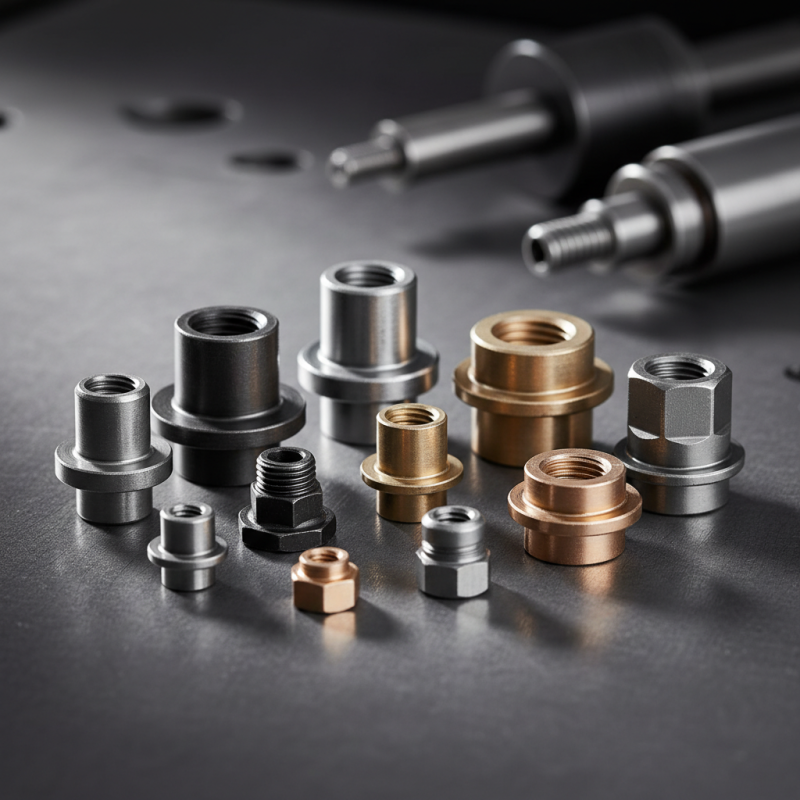
When selecting broaching nuts, there are several key factors to keep in mind. Understanding the material is crucial. Broaching nuts can vary in composition, affecting strength and durability. Steel, bronze, or nylon? Each material has its own characteristics. Steel offers strength, while nylon is lighter and resistant to corrosion.
Another important consideration is the sizing and thread type. Broaching nuts come in different sizes and thread specifications. Ensuring compatibility with existing components is vital. Incorrect sizing can lead to poor performance or damage. Also, assess the intended application. High-stress environments require robust nuts, while lighter tasks may not need as much strength.
Finally, think about the manufacturing process. Some nuts are precision-engineered for specific applications. Others may be made using standard processes, lacking in precision. Reflect on the production quality. It can affect not only performance but also the lifespan of the nuts. Choosing the right broaching nut may seem straightforward, but each decision can impact your project's success.
Key Factors in Selecting Broaching Nuts
This chart displays the importance of various factors when selecting broaching nuts based on user feedback.
Materials Used in Manufacturing Broaching Nuts
When selecting a broaching nut, understanding the materials used in its manufacturing is crucial. Commonly, broaching nuts are made from high-strength alloys, which provide excellent wear resistance. Steel is a popular choice due to its strength and durability. Yet, not all steel is created equal. Different grades can influence performance and longevity.
Another option is aluminum, known for its lightweight properties. It is ideal for applications where weight reduction is essential. However, aluminum can be less durable than steel. In high-stress environments, this weakness can become significant. This trade-off requires careful consideration based on the application's specific needs.
Additionally, some manufacturers use specialty materials such as brass or bronze. These metals offer good corrosion resistance and are excellent for applications requiring electrical conductivity. They may not be suitable for all environments, emphasizing the need to evaluate your requirements. Finding the right balance in material choice often involves trial and error, requiring an understanding of both the properties of the materials and the demands of the application.
Common Applications and Industries for Broaching Nuts
Broaching nuts are widely used in various industries, mainly due to their precision and reliability. Manufacturing processes, automotive assembly, and aerospace applications benefit significantly from these components. According to a recent report from Markets and Markets, the global broaching machine market is projected to reach USD 1.2 billion by 2025, reflecting the growing demand for efficient tooling solutions.
In the automotive sector, broaching nuts are essential for creating precise fits in components like transmission housing and crankshafts. The United Nations reported that the automotive industry's value reached over USD 2 trillion in 2022. This highlights the importance of robust components like broaching nuts that ensure vehicle performance and safety. Similarly, the aerospace industry relies on these nuts for critical components in aircraft manufacturing. With airplanes requiring faultless precision, even slight errors in parts can have significant consequences.
Many industries overlook the importance of selecting the right broaching nut. Precision varies across suppliers, which can affect product quality. Engineers often feel pressured to choose quickly, leading to potential misalignments later. Quality assurance testing may not be fully conducted, impacting overall reliability. Understanding specific application requirements can ultimately reduce risks and enhance performance in the field. As the broaching sector evolves, adopting the right practices becomes crucial for staying competitive.
Maintaining and Troubleshooting Broaching Nuts
When maintaining broaching nuts, regular inspection is crucial. Look for signs of wear, such as cracks or unusual wear patterns. These can indicate that the nut is losing its effectiveness. It's essential to address these issues promptly to prevent further damage. Regular maintenance can extend the life of your broaching nuts and enhance overall performance.
Troubleshooting can become tricky. If the broaching process is noisy or rough, it might signal alignment problems. Misalignment can lead to uneven wear and decreased machining efficiency. Another common issue is the build-up of debris around the nut. This can affect the quality of the broaching operation, leading to poor results. Always keep the work area clean and free from contaminants.
Don't overlook lubrication. Proper lubrication can prevent overheating and wear. However, too much lubricant can attract dirt. Finding the right balance can be challenging and requires careful observation. Being proactive about these issues helps maintain efficiency and can save money in the long run. Regular training for operators can also be beneficial, as it empowers them to spot potential issues early.