
7 Tips for Choosing the Best Toiletry Organizer Bag?
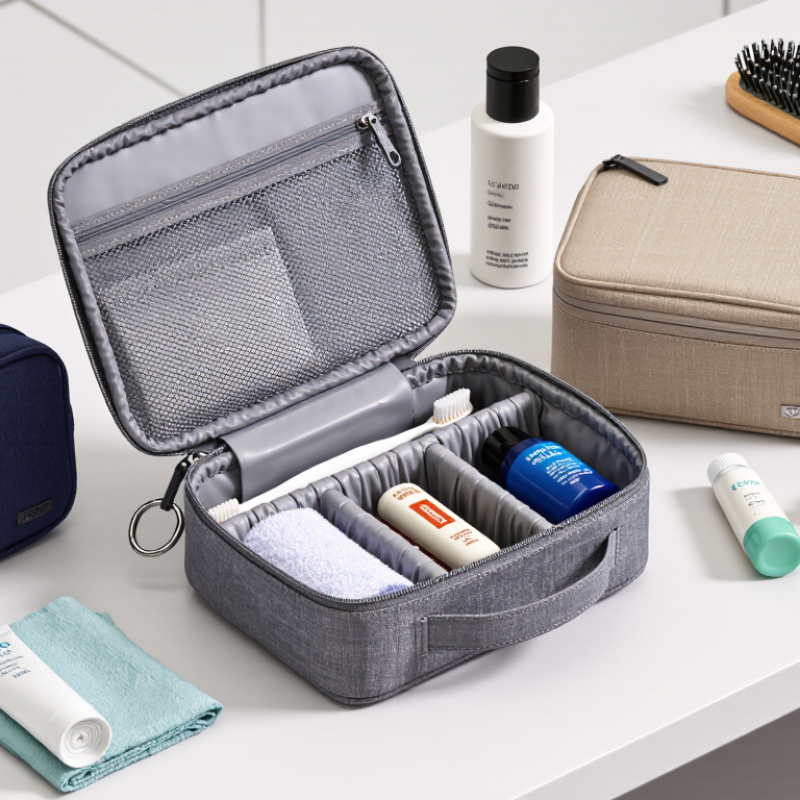
A Toiletry Organizer Bag should make your daily routine simpler, not turn packing into a search. The right design keeps a toothbrush away from a damp razor, shows small items at a glance, and fits your luggage without wasting space. One practical rule captures the goal: “Choose a bag that keeps essentials visible, protected, and easy to reach.” This is editorial guidance, not a quotation attributed to a named expert; no verifiable expert source was provided.
Small details matter. A wide opening can reveal a misplaced lip balm. A washable lining helps after shampoo leaks. A secure hook may keep your kit off a wet hotel counter. Yet no single bag suits everyone. A frequent flyer may value compact dimensions and a hanging loop, while a family traveler may need separate pockets for several people’s essentials.
This guide explores seven useful criteria, including capacity, compartments, materials, closures, portability, cleaning, and value. You’ll learn how to match those features to your routine, rather than choosing by appearance alone. Some trade-offs are easy to miss: more pockets can mean more bulk. And a clear window? Handy, but not essential. Check the bag’s measurements against your actual products before buying. A little measuring now can prevent a frustrating squeeze later.
Identify Your Toiletry Storage Needs
Before comparing toiletry organizer bags, write down what you carry on an ordinary day. Include your toothbrush, toothpaste, skincare, medication, hair tools, and anything else you use regularly. Then separate daily essentials from occasional items, such as a travel-size sunscreen or spare razor. This simple inventory shows whether you need a compact pouch or room for several full-size containers. Small details count. A wide electric toothbrush handle, for example, may need more space than your list suggests.
Think about where and how you’ll use the bag. A gym visit may call for a lightweight organizer that fits inside a larger tote, while a week away may require divided sections and room for refillable bottles. If you share toiletries, check whether separate compartments will keep everyone’s items easy to find. Consider damp towels or leaking caps, too; a wipe-clean lining can make cleanup simpler. I once chose a bag by its empty size and overlooked the bulky items I carried. It was a slightly annoying mistake. Measure your largest containers and compare them with the bag’s interior dimensions. Also consider where it will sit: a narrow bathroom shelf may not suit a bag that opens wide.
7 Tips for Choosing the Best Toiletry Organizer Bag — Identify Your Toiletry Storage Needs
| Tip | What to Assess | Practical Guide | Why It Matters |
|---|---|---|---|
| 1. List what you carry | Count your everyday toiletries, grooming tools, medicines, and travel-size products. | Group items by type and note which ones must stay upright or be easy to reach. | A bag that suits your actual routine is less likely to be overfilled or unnecessarily bulky. |
| 2. Choose a suitable capacity | Compare the amount you pack with the bag’s usable compartments and dimensions. | A compact pouch suits a few essentials; a larger case is more practical for full-size bottles or shared use. Check interior measurements before buying. | Capacity descriptions vary, so dimensions and your own packed items offer a more reliable comparison. |
| 3. Match the bag to your trip | Consider trip length, transport, and whether you will pack in a carry-on, suitcase, or gym bag. | For air travel, check current airline rules for liquids and keep any required liquids bag accessible. For longer trips, allow room for additional products. | Travel conditions affect how much storage you need and how quickly you may need to access items. |
| 4. Check the compartment layout | Look for pockets, dividers, elastic loops, and a separate area for wet or leak-prone items. | Choose a layout that keeps small items such as cotton swabs apart from bottles and tools. | Useful organization helps prevent spills, tangles, and time spent searching for essentials. |
| 5. Consider water resistance and cleaning | Review the fabric, lining, seams, and care instructions. | A wipe-clean lining can make minor spills easier to manage. Water-resistant materials may help protect contents, but do not assume the bag is waterproof unless specified. | Toiletries can leak or leave residue, so easy cleaning can help keep the bag in good condition. |
| 6. Check access and portability | Assess the opening style, handle, hanging hook, and how the bag sits when open. | A wide opening or hanging design can be useful in small bathrooms; confirm that zippers and handles feel secure for your load. | Convenient access makes daily use easier, especially when counter space is limited. |
| 7. Prioritize durability and fit | Inspect stitching, zipper construction, material feel, and the bag’s packed shape. | Compare the bag’s dimensions with your luggage or storage shelf, and choose construction suited to how often you travel. | A well-fitting organizer is easier to store, while sturdy construction is better suited to frequent handling. |
Tip: Before choosing a bag, measure the toiletries you use most often and compare them with the organizer’s interior dimensions.