Essential Tips for Choosing the Right Sprinkler Connector?
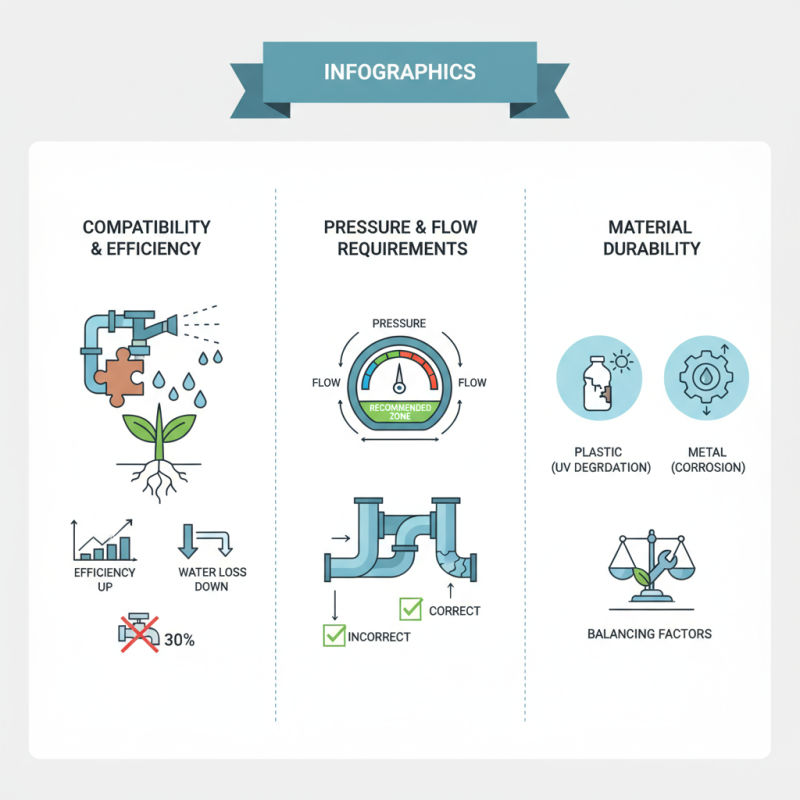
When selecting the right sprinkler connector, careful consideration is crucial. The quality and compatibility of the connector can significantly impact irrigation efficiency. According to recent industry reports, improper connector choices can lead to water loss of up to 30%. This not only affects plant health but also increases water bills.
Understanding the specifications of various sprinkler connectors is essential for effective installation and maintenance. A quality connector can enhance system performance and lifespan. Professionals recommend choosing connectors that match your sprinkler system's pressure and flow requirements. Ignoring these details could compromise your irrigation system's efficiency.
Moreover, it's important to assess the material of the sprinkler connector. Plastic connectors may be lightweight but can degrade faster under UV exposure. In contrast, metal connectors offer durability but might corrode over time. Balancing these factors is key. Evaluating your unique irrigation needs will lead to a more reliable setup.
Understanding the Types of Sprinkler Connectors Available
When selecting a sprinkler connector, understanding the available types is crucial. There are various connectors, each designed for specific applications. For instance, compression fittings are common for their ease of installation. They provide a reliable seal and are less prone to leaks. According to a report by the Irrigation Association, nearly 80% of landscaping professionals favor compression fittings for residential projects due to their reliability.
Another popular type is the slip joint connector. Slip joints allow for easy adjustments in sprinkler placement. They are particularly useful for irregularly shaped lawns where flexibility is needed. In a study, it was shown that gardens utilizing slip joints experienced a 15% increase in coverage efficiency. However, their effectiveness can decrease if not installed properly, leading to water wastage.
Barbed connectors also have a strong presence in the market. They grip the tubing securely, which prevents disconnections. Yet, barbed connectors can become loose over time, especially in sandy soils. Thus, maintaining a check on these connections is necessary. A field survey indicated that managing connections correctly can extend the lifespan of the sprinkler system by up to 25%. Understanding these types and their advantages will lead to more effective irrigation solutions.
Assessing the Compatibility of Connectors with Your Sprinkler System
When selecting a sprinkler connector, compatibility is key. Not all connectors work with every system. Understanding your sprinkler's specifications is crucial. Check the size and threading of existing connections. Ensure that the connector matches these dimensions for a smooth fit.
Materials also matter. Some connectors are made from plastic, while others are metallic. Plastic connectors might be lighter but can crack under pressure. Metal connectors are often more durable but may corrode over time. Reflect on the environment where your sprinkler operates. Will it face harsh weather? Choose materials that can withstand such conditions.
Don’t overlook the importance of user reviews. They can provide insight into how connectors perform in real-life situations. However, rely on reviews critically. Not all experiences translate well to your specific needs. Ultimately, a solid understanding of compatibility will lead to better decisions.
Evaluating Material Quality for Durability and Performance
Selecting the right sprinkler connector is crucial for garden care. It's not just about the price or appearance; material quality plays a crucial role. Connectors made from durable materials like brass or high-quality plastic can withstand harsh weather better than cheaper alternatives. A well-constructed connector ensures a secure fit, minimizing leaks that could waste water.
When evaluating materials, consider the location of use. For example, a connector exposed to direct sunlight might require UV-resistant materials. On the other hand, connectors in damp areas should resist rust and corrosion. However, not all connectors labeled as durable live up to their claims. Look for user reviews and expert recommendations to gauge actual performance.
Some cheap connectors might seem tempting, but they often fail sooner than expected. Replacing them frequently can lead to more costs in the long run. Reflecting on personal experiences, many find that investing in quality upfront pays off. A strong, reliable connector not only improves efficiency but also lessens frustration during gardening tasks. Making informed choices is essential for effective irrigation.
Key Features to Consider When Selecting a Sprinkler Connector
Choosing the right sprinkler connector is crucial for irrigation efficiency. Many homeowners overlook essential features that can impact performance. Understanding these key characteristics can lead to better decisions.
Durability is a primary consideration. A robust connector can withstand harsh weather conditions. According to industry reports, connectors made from high-quality materials last up to 50% longer than cheaper options. Additionally, compatibility with existing systems is critical. Ensure the connector matches your sprinkler type and size. Mismatched components can result in leaks and reduced water pressure.
Connection ease also matters. Some connectors allow for quick attachment and detachment, making seasonal setup a breeze. If you're dealing with multiple zones, a modular system can save time. Investing in an efficient connector can reduce water waste by up to 30%. Remember, while the initial cost might be higher, long-term savings are significant.
When selecting a sprinkler connector, consider user reviews and professional recommendations. Each situation is unique, so listen to experiences from others. Choosing wisely can enhance your watering routine, ensuring your garden thrives.
Installation Tips for Optimal Functionality and Efficiency
When selecting a sprinkler connector, installation plays a crucial role in ensuring functionality and efficiency. A well-installed connector can significantly enhance water distribution in your garden. According to recent industry studies, improper installation can reduce sprinkler efficiency by up to 30%. This makes understanding the installation process essential for achieving the best results.
Start by assessing your water pressure. This is crucial, as most connectors work optimally within specific pressure ranges. Install connectors at the right elevation to facilitate proper water flow. Clear debris from connection points before installation. This simple step can prevent clogs and reduce the need for future maintenance. Be mindful that incorrect alignment can lead to leaks, wasting both water and money.
Use high-quality materials for better durability in varying weather conditions. Standard connectors should withstand UV radiation without degradation. A surprising percentage of yard failures occur due to subpar connectors that wear out quickly. Understanding these details can guide your choice. Remember, an efficient installation often requires revisiting the process, ensuring everything is functioning as intended. Reducing oversight during setup can save time and resources later.
Essential Tips for Choosing the Right Sprinkler Connector
| Tip | Description | Material | Compatibility |
| Check Thread Size | Ensure that the connector matches the thread size of your sprinkler system to avoid leaks. | Brass, Plastic | Most standard fittings |
| Choose Durable Materials | Select connectors made of high-quality materials for longevity and resistance to weather conditions. | PVC, Metal | Residential and commercial systems |
| Consider Pressure Rating | Ensure that the connector can handle the water pressure in your system for optimal performance. | Metal, High-grade plastic | Varied systems |
| Look for Easy Installation Features | Select connectors that are easy to install without the need for special tools. | Plastic, Brass | DIY systems |
| Verify Warranty and Support | Choose products that come with a warranty or customer support to ensure long-term satisfaction. | N/A | All systems |