Essential Tips for Choosing a Roll Lamination Machine?
When investing in a Roll Lamination Machine, making the right choice is crucial. According to industry expert John Smith, “The right machine can elevate your business's efficiency.” This statement highlights the significance of selecting an appropriate lamination machine for your needs.
Roll lamination machines are vital in many businesses. They provide a protective layer to various materials, enhancing durability and presentation. However, the options available can be overwhelming. Users must consider factors like size, speed, and ease of use. Choosing the wrong machine can lead to inefficiencies and high operational costs.
Consider your specific requirements. Not all roll lamination machines are created equal. Some may lack features you need. Reflecting on user reviews can provide valuable insights. Every detail matters when selecting the right machine for your operations. Evaluating your choices can lead to better outcomes and improved productivity.
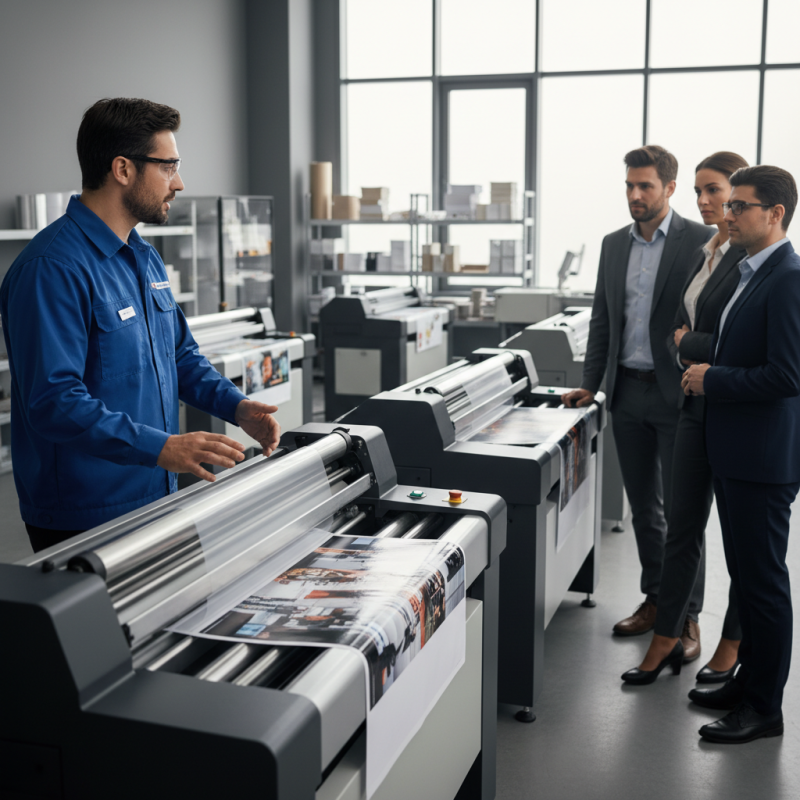
Key Considerations in Selecting a Roll Lamination Machine
When selecting a roll lamination machine, several key considerations come into play. The machine’s capacity is vital. Think about your production needs. Are you working on small projects or large-scale runs? A compact machine might suit small operations, while a more robust option is necessary for high-volume tasks.
Another factor is the type of lamination film you intend to use. Various thicknesses and finishes exist. Not every machine can handle every film. Research compatibility to ensure smooth operation. Appearance matters, too. Your final product’s look is important. Choose a machine that can provide the desired finish, whether it's glossy or matte.
Tips: Always verify the machine's speed. A faster machine can save time but may compromise quality. Evaluating its durability is equally important. Machines that are low-cost can sometimes result in high maintenance costs over time. Prioritize features that enhance reliability and efficiency. Consider future needs. A machine that meets today’s requirements might fall short tomorrow. Investing wisely now can pay off later.
Understanding Different Types of Roll Lamination Machines
When considering a roll lamination machine, it’s essential to understand the various types available in the market. There are generally three main categories: thermal, cold, and pressure-sensitive laminators. Each type serves distinct purposes. Thermal laminators use heat to melt adhesive and bind the laminate to the substrate. Cold laminators, on the other hand, do not rely on heat but use pressure to apply adhesive. Understanding these differences can guide users in selecting the right machine for their needs.
Industry reports indicate that thermal laminators are favored for high-volume production, especially in print shops. They can achieve faster speeds and provide a stronger seal. In contrast, cold laminators are ideal for sensitive materials, such as photographs or printed materials that might warp under heat. Notably, reports show that about 40% of users encountered issues like adhesive bubbling with thermal machines. Such feedback encourages potential buyers to weigh material compatibility against machine type.
Also, pressure-sensitive laminators are gaining popularity due to their ease of use. In fact, around 25% of small businesses surveyed prefer them, citing lower setup times. However, performance expectations can vary widely. Users often find inconsistent adhesive application, leading to waste. It’s crucial to reflect on these aspects before investing in a machine. The right choice hinges upon understanding the materials you will process and the volume your operation demands.
Comparison of Different Types of Roll Lamination Machines
Evaluating the Specifications and Features of Machines
Choosing the right roll lamination machine relies heavily on its specifications and features. Key aspects to consider include the machine's speed, size, and temperature control. Research indicates that machines with adjustable speed settings can increase efficiency by up to 30%. This flexibility allows for tasks that vary in size and material thickness.
Temperature control is vital for achieving optimal lamination results. Machines with precise heating elements ensure that films adhere correctly, reducing bubble formation and improving durability. A report from industry experts highlights that using machines with reliable temperature regulation can enhance adhesion strength by 25%.
It’s crucial to evaluate the machine's versatility. Many machines can handle different types of laminating films, which adds to their appeal. However, some users find that machines struggle with certain materials, leading to inconsistent output. Buyers should seek detailed specifications to avoid such pitfalls. Additionally, integrating user-friendly features like digital displays can help operators monitor processes better. Proper evaluation of these specifications will lead to a more effective purchase decision.
Assessing Budget and Cost-effectiveness in Your Purchase
When considering a roll lamination machine, budget plays a critical role. A thorough assessment of costs helps prevent overspending. According to industry reports, the average price for a reliable machine ranges from $3,000 to $15,000. This variance largely depends on features and capabilities.
Understanding cost-effectiveness is crucial. For instance, a high-end machine can show a return on investment (ROI) of around 25% annually if used efficiently. However, a lower-priced model may lack features, impacting overall productivity. A machine that is too cheap might require frequent repairs. These concerns could lead to unforeseen costs.
Maintenance is another factor to keep in mind. Reports indicate that an estimated 20% of operational budgets can go toward maintenance for conventional machines. Therefore, carefully calculating the long-term costs associated with machine upkeep is essential. You may be tempted to go for the lowest price but consider the hidden costs. Always weigh the initial investment against the long-term benefits and potential efficiency gains.
Essential Tips for Choosing a Roll Lamination Machine
| Feature | Description | Estimated Cost ($) | Cost-effectiveness Rating (1-5) |
| Production Speed | The speed at which the machine can laminate sheets per hour. | 2000 | 4 |
| Lamination Width | The maximum width of the material that can be laminated. | 1500 | 5 |
| Ease of Operation | How user-friendly the controls and setup are. | 1800 | 5 |
| Material Compatibility | The types of films and papers the machine can handle. | 1600 | 4 |
| Warranty Period | Length of time the manufacturer covers repairs and defects. | 2500 | 3 |
| Customer Support | Quality of customer service and technical assistance. | 2200 | 5 |
Maintenance and Support: Ensuring Long-term Performance
Maintenance and support for roll lamination machines are crucial for long-term performance. Regular maintenance can improve longevity and reduce downtime. A recent industry report indicates that over 40% of machine failures result from inadequate upkeep. This highlights the importance of setting a strict maintenance schedule.
Properly trained staff should execute these tasks. Having a knowledgeable technician can help catch small issues before they escalate. Consider a routine checklist that covers key components, such as rollers and heating elements. Lubrication and cleaning should be prioritized. Even minor neglect can significantly impact output quality.
Moreover, support from manufacturers or service providers is essential. Ensure they offer comprehensive support plans. These can include training, troubleshooting, and replacement parts. A study published in a manufacturing journal suggests that businesses with robust support systems experience 30% fewer operational disruptions. Investing in both maintenance and technical support is vital for maximizing efficiency and minimizing unexpected costs.