Top 10 Tips for Choosing the Right Welded Wire Mesh?
welded wire mesh is crucial in various construction and industrial applications. According to industry reports, the global welded wire mesh market size is expected to reach USD 5.5 billion by 2025, growing significantly. This demand arises from its strength and versatility, making it a preferred choice in fencing, reinforcement, and filtration.
Choosing the right welded wire mesh can be challenging due to numerous options available. Factors like material type, wire gauge, and mesh size greatly influence performance. For instance, a heavier gauge offers better support but may be less flexible. Potential buyers often overlook these technical details, leading to mismatches in project needs.
Understanding the specific use case is vital for optimal selection. Missteps in choice can result in compromised safety and durability, causing project delays and additional costs. Awareness of these factors ensures a well-informed decision to leverage the benefits of welded wire mesh effectively.
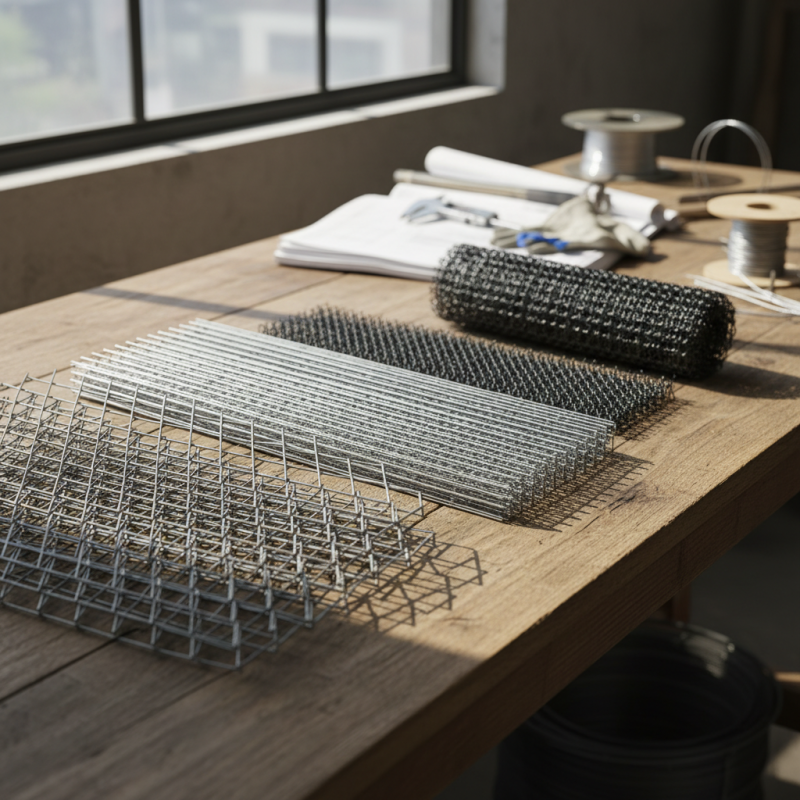
Understanding the Different Types of Welded Wire Mesh Available
When selecting welded wire mesh, it’s essential to understand the different types available. One common type is galvanized welded wire mesh. This type is coated with zinc to prevent rust. It’s ideal for outdoor use, but consider its limits. In highly corrosive environments, galvanized mesh may not last long.
Another option is stainless steel welded wire mesh. This material offers superior resistance to corrosion. It’s great for applications in harsh conditions. However, it often comes with a higher price tag. Balancing cost and durability is crucial. For temporary applications, plastic-coated wire mesh is available. It’s lightweight and easier to handle, but its lifespan is significantly shorter.
When looking into welded wire mesh, think about the mesh size. Smaller openings provide more security, but they may limit airflow. Larger openings allow for ventilation but might not keep smaller animals out. There’s also the consideration of wire gauge. Heavier gauges are stronger but can be harder to work with. Reflecting on these details helps you make an informed choice. Each type has its pros and cons; weighing them against your specific needs is essential.
Top 10 Tips for Choosing the Right Welded Wire Mesh
| Tip | Description | Recommended Use | Wire Gauge | Mesh Opening |
| 1. Determine Purpose | Understand what you need the mesh for - fencing, animal enclosures, etc. | Fencing | 14-16 gauge | 2"x4" |
| 2. Assess Strength | Choose a wire gauge that meets strength needs for your project. | Construction | 10-12 gauge | 4"x4" |
| 3. Consider Material | Select galvanized, stainless steel, or vinyl-coated based on environment. | Garden fencing | 14 gauge | 1"x2" |
| 4. Calculate Size | Measure the area where you will install the mesh. | Enclosures | 16 gauge | 3"x3" |
| 5. Look for Coating | Consider if you need additional protection against corrosion. | Outdoor use | 12 gauge | 2"x2" |
| 6. Review Mesh Patterns | Different patterns can offer different strengths and visual appeal. | Decorative fencing | 16 gauge | 1"x1" |
| 7. Evaluate Durability | Research reviews on durability in your specific use case. | Heavy-duty applications | 10 gauge | 2"x4" |
| 8. Check Local Regulations | Ensure compliance with local fencing laws and regulations. | Security fences | 8 gauge | 1"x2" |
| 9. Consider Installation Type | Choose a mesh that fits your installation requirements, whether DIY or professional. | DIY projects | 14 gauge | 2"x4" |
| 10. Compare Prices | Gather quotes from different sources to ensure you're getting the best deal. | Budget constraints | Varies | Varies |
Evaluating the Material Quality and Durability of Welded Wire Mesh
When selecting welded wire mesh, evaluating material quality and durability is essential. The right mesh significantly impacts your project’s long-term performance. Steel wire, for instance, is commonly used for its strength. Reports estimate that galvanized steel wire can withstand corrosion effectively, which is crucial for outdoor applications.
Tip 1: Check the wire gauge. A thicker wire usually means greater strength. Typically, a wire gauge between 12 and 14 offers a good balance of sturdiness and flexibility for various projects.
Material testing is paramount. High-quality welded wire mesh should exhibit resistance to bending and warping. Some producers offer warranties, which can provide insights into their confidence in durability. Always ask for certifications that prove compliance with industry standards.
Tip 2: Consider the mesh pattern. Different patterns provide varying levels of security and visibility. Smaller openings keep out pets but may limit airflow and light. For agricultural use, larger openings might be necessary.
Lastly, weigh your options. Cutting corners can lead to problems down the line, such as rust formation or mesh breakage. Trustworthy suppliers often provide samples. It's an ideal way to gauge quality firsthand.
Determining the Appropriate Wire Thickness for Your Needs
When choosing welded wire mesh, wire thickness is crucial. The right thickness directly impacts durability and performance. A thinner wire, typically around 14 gauge, works well for light tasks. It's suitable for applications like garden fencing and animal enclosures. However, it lacks the strength needed for heavy-duty uses.
On the other hand, thicker wires, such as 10 gauge, offer superior strength and resilience. They are ideal for commercial and industrial applications, ensuring security and longevity. According to a report by the American Welding Society, using the correct wire gauge can extend the lifespan of your mesh by 25-50%.
It's worth contemplating that not all projects are the same. A common mistake is assuming that thicker is always better. The required thickness often depends on the specific load and environment. For instance, using heavy wire in a low-stress area may not be necessary and can add unnecessary costs. Consider the context of use carefully. Inspecting user reviews and project stories can provide insight into wire thickness that worked best for others.
Assessing the Mesh Opening Size for Optimal Functionality
When selecting welded wire mesh, the mesh opening size is crucial. A well-considered size ensures that the mesh serves its intended purpose effectively. For instance, agricultural applications often recommend larger openings to allow airflow while preventing small animals from passing through. Reports indicate that openings between 1-2 inches can effectively deter pests while providing ventilation.
On the other hand, industrial uses might demand smaller openings. According to industry studies, openings under one inch can support structural integrity. However, the choice of size should be based on specific needs. For example, wire mesh used in construction should balance strength and spacing. Overly tight openings may not allow necessary drainage.
Choosing mesh that is too coarse can lead to safety hazards. Conversely, excessively fine mesh might increase costs unnecessarily. Reflecting on these choices is crucial. A mismatch between mesh size and application can lead to functional failures. Understanding the specific requirements of each situation is essential for making informed decisions in welded wire mesh selection.
Considering the Intended Application and Environmental Factors
When selecting welded wire mesh, considering the intended application and environment is crucial. The type of project dictates specific requirements. Construction sites often need robust mesh, while agricultural uses may favor lighter options. According to industry reports, over 60% of failures occur from mismatched material selections, highlighting the importance of appropriate choices.
Environmental factors also play a significant role. Corrosive environments demand specialized coatings or materials. For instance, coastal areas expose materials to saltwater, increasing corrosion risk. In a study, 40% of users reported issues with rust due to inadequate protective measures. This statistic underscores the necessity of evaluating local conditions to prevent long-term deterioration.
Temperature variations can affect the performance of welded wire mesh. Extreme heat could lead to warping, while freezing temperatures might cause brittleness. Those factors can drastically limit the lifespan of the mesh. Many professionals overlook this aspect, leading to regrettable outcomes. Be sure to assess environmental conditions carefully to make informed decisions.