
Top 10 Tips for Choosing the Right Flotation Equipment?

Choosing the right Flotation Equipment is critical for various industries, from mining to wastewater treatment. Dr. Emily Johnson, an expert in mineral processing, once stated, "The efficiency of flotation equipment can significantly impact both yield and operational costs." Her words highlight the importance of making informed choices.

Flotation equipment comes in various types, each designed for specific applications. Understanding the characteristics of different models is essential. For instance, the size, capacity, and operational principles can vary widely. A mismatch can lead to poor performance and increased expenses.

Many overlook factors like maintenance and adaptability when selecting flotation equipment. It is crucial to evaluate these elements to ensure longevity and efficiency. Taking the time to analyze options might seem tedious, but it's a step towards maximizing productivity. This decision will influence your operations for years to come. Be prudent and reflective as you embark on this journey. Choose wisely, and let the right flotation equipment drive your success.
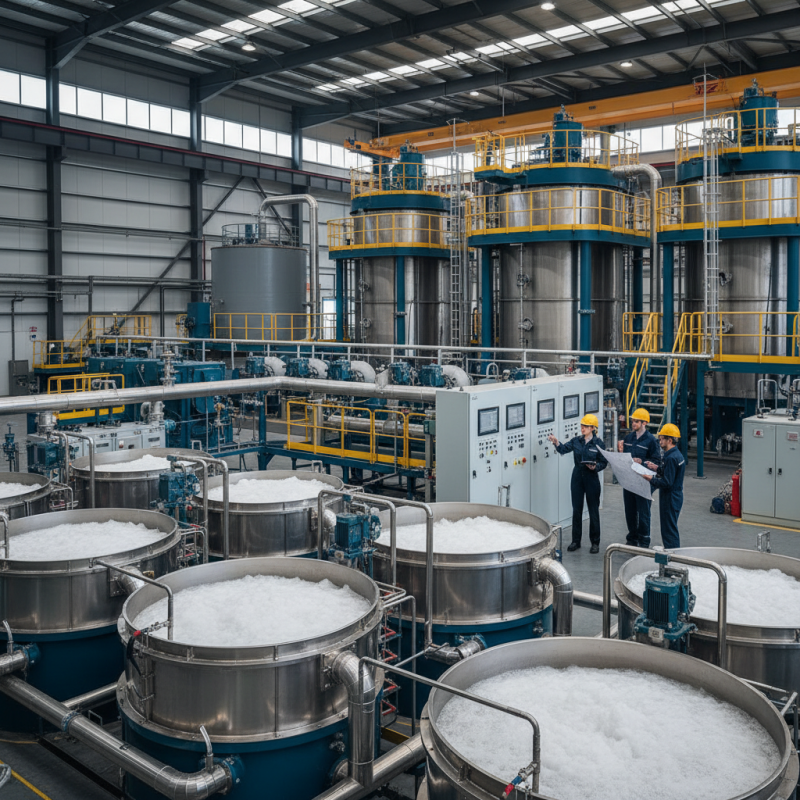
Top 10 Tips for Choosing the Right Flotation Equipment?

Understanding Different Types of Flotation Equipment in the Market

When selecting flotation equipment, it's essential to understand the various types available. Each type serves a specific purpose and operates differently. Mechanical flotation cells are common. They use impellers to create air bubbles that attach to particles. This type is efficient but may require frequent maintenance.

Column flotation cells are another option. They use a tall, vertical design to enhance separation. This method offers higher purity levels for some applications. However, they can be more complex and might involve higher initial costs.

Opting for a continuous flow system? Be prepared for potential challenges. This setup can improve efficiency, but also requires precise control and monitoring.

Consideration of your material's characteristics is crucial. Some flotation systems work better with certain materials. The choice of reagents can affect performance as well. Testing different systems in realistic conditions is vital. What works in theory may not translate to practical results. Establishing clear goals and measuring performance can guide your selection process.

Experimentation may reveal gaps in understanding and lead to refining your choices.

Evaluating Capacity and Efficiency Metrics for Flotation Machines

When selecting flotation equipment, evaluating capacity and efficiency metrics is essential. Capacity refers to the volume of material a Flotation Machine can process in a given time. Ideally, the machine should handle your expected throughput. This ensures that production targets are met without causing bottlenecks. A thorough analysis of the equipment's specifications helps determine if it aligns with your operational requirements.

Efficiency metrics focus on how well the machine separates valuable minerals from waste. High recovery rates imply that the equipment effectively extracts the desired materials. Lower energy consumption is also a significant factor. Machines that consume less energy can reduce overall operational costs. However, striking a balance between recovery rates and energy use can be challenging. Continuous monitoring and adjustments may be necessary to optimize performance.

Field testing provides invaluable insights into how equipment performs under real conditions. Observing the flotation process can reveal unexpected inefficiencies. This hands-on experience is crucial for making informed decisions. Relying solely on theoretical metrics may not paint the full picture. Be prepared to refine your choice based on practical feedback and changing conditions.

Top 10 Tips for Choosing the Right Flotation Equipment

This chart illustrates key metrics for evaluating flotation equipment, including capacity, efficiency, power requirements, maintenance costs, footprint size, and aeration rate. Choosing the right flotation machine involves balancing these metrics to achieve optimal performance.

Assessing Material Compatibility with Flotation Equipment Designs

When selecting flotation equipment, assessing material compatibility is critical. Different materials require distinct designs to ensure optimal performance. For instance, abrasive materials can wear down equipment faster, leading to increased maintenance costs. Choosing the right materials for the equipment is essential to enhance its lifespan.

Moreover, flotation equipment must align with the physical and chemical properties of the materials being processed. pH levels can significantly impact the efficiency of flotation. Some materials react poorly under certain conditions, undermining the process. Careful evaluation of these aspects is crucial.

It's worth noting that a mismatch can cause inefficient separation. This might not only affect productivity but also lead to financial losses. Take the time to thoroughly test and refine the material compatibility before committing to a specific flotation design. Reflecting on these elements can guide better decision-making for improved outcomes in flotation operations.

Analyzing Operational Costs and Maintenance Requirements in Flotation Systems

When evaluating flotation systems, operational costs and maintenance requirements are critical factors. A floatation system's efficiency directly impacts its long-term financial viability. Understanding these costs allows for improved resource allocation and maximizes profitability.

Regular maintenance is essential to ensure consistent performance. Neglected equipment can lead to unexpected shutdowns and costly repairs. Parts such as rotors and stators require attention. They can wear down significantly with time and usage. Inspections should happen regularly, not only to comply with guidelines but also to avoid unnecessary expenses.

Training staff effectively can enhance maintenance practices. Skilled personnel recognize issues early, reducing downtime. However, many companies overlook this. Investing in training may seem costly upfront but leads to significant savings in the long run. Assessing both immediate and long-term costs can often reveal surprising insights into operational efficiency. Remember, it’s not just about acquisition—thinking through the entire lifecycle of flotation equipment is vital.

Top 10 Tips for Choosing the Right Flotation Equipment

Tip Number Tip Operational Cost Considerations Maintenance Requirements
1 Assess Material Characteristics Impact on reagent usage and energy consumption Routine checks on flotation performance
2 Evaluate Equipment Efficiency Higher efficiency can reduce operational costs Regular calibration of machines
3 Understand Regulatory Requirements Compliance can affect operational expenses Documentation and audits for compliance
4 Consider Reagent Costs Directly affects per-ton production costs Ensure optimal usage and storage practices
5 Select the Right Flotation Cell Design Impacts energy efficiency and recovery rates Periodic inspection of cell integrity
6 Evaluate Power Consumption Significant ongoing operational expense Monitor equipment load and efficiency
7 Analyze Water Quality Impact Affects reagent effectiveness and costs Regular testing and treatment of feed water
8 Research Equipment Longevity Longer lifespan reduces replacement costs Scheduled maintenance to extend life
9 Consider Installation and Setup Costs Initial investment can vary significantly Professional installation may be necessary
10 Analyze Documentation and Support Quality documentation can reduce training costs Access to support can minimize downtimes

Investigating Technological Innovations Impacting Flotation Performance

The world of flotation equipment is evolving. New technologies are emerging to improve flotation performance. These innovations focus on efficiency, cost-effectiveness, and sustainability. Understanding these developments is crucial for making informed decisions.

One significant advancement is the use of smarter control systems. These systems monitor and adjust parameters in real-time. They can detect changes in ore characteristics and respond accordingly. This adaptability may enhance recovery rates. However, the complexity of these systems can lead to challenges. Operators need proper training and experience to manage them effectively.

Another innovation involves advanced materials for flotation cells. These materials improve durability and reduce wear. Yet, there may be trade-offs in cost and availability. Selecting the right materials requires careful consideration. The balance between performance and practicality is not always straightforward. Flotation performance can be highly variable, and innovation might not always yield positive results. Embracing change while learning from past experiences can drive improvement in flotation operations.

CONTACT US