What is synthetic mica powder and how is it used?
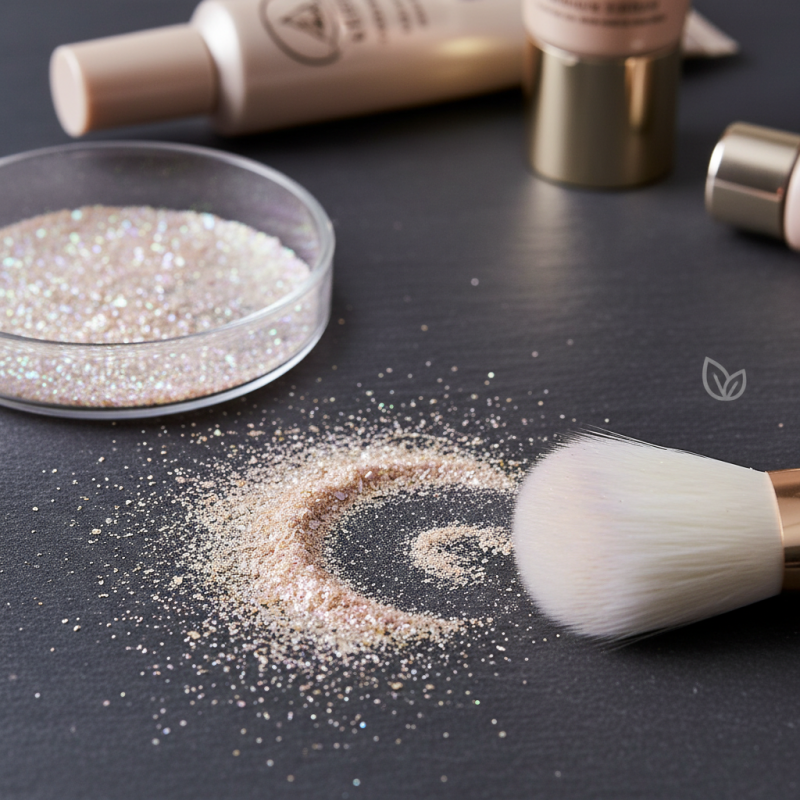
synthetic mica powder is a versatile material used in various industries. It is created through a unique manufacturing process that mimics natural mica. This powder shows promise in cosmetics, paints, and plastics. Its sparkling appearance enhances products, giving them a luxurious touch.
In cosmetics, synthetic mica powder acts as a pigment and filler. It reflects light beautifully, improving the overall look. Many makeup brands are now opting for this synthetic alternative. It’s color-fast and non-toxic, making it a safe choice.
However, the production of synthetic mica powder raises questions about environmental impacts. Some processes can be energy-intensive. It is essential to examine sustainable practices in manufacturing. Consumers must reflect on their choices in product quality and environmental responsibility.
What is Synthetic Mica Powder?
Synthetic mica powder is a man-made mineral product designed to mimic the natural properties of mica. It is primarily composed of silicate materials, offering similar glitter and reflective qualities. The global synthetic mica market has seen significant growth, driven by demand in cosmetics, paints, and coatings.
This material is often preferred for cosmetics. In makeup, synthetic mica provides a shimmering effect without the impurities found in natural mica. Reports indicate that the cosmetic segment will continue to grow at a CAGR of over 8% through 2025. This growth reflects increased consumer preference for safe and consistent ingredients.
Tips: Always check product labels for specific ingredient details. Not all synthetic mica is created equally. Understanding the source can help consumers make informed choices.
Synthetic mica powder is versatile. It is used in various applications, including automotive paints and industrial coatings. However, not all applications yield the same level of performance. Some users report inconsistencies in texture and finish. Such variations can lead to challenges, particularly in high-demand industries.
Tips: Conduct thorough testing before selecting synthetic mica for your project. Experiment with different compositions to find the best match for your needs.
The Composition and Manufacturing Process of Synthetic Mica
Synthetic mica powder is a man-made mineral that mimics natural mica. Its unique properties make it popular in various industries, especially cosmetics and coatings. The manufacturing process is intricate and fascinating. It begins with raw materials, primarily phlogopite and muscovite, which are heated to high temperatures. This treatment transforms them into small, thin flakes of mica.
After the heating process, these flakes are ground into a fine powder. The size of these particles is crucial. They must be uniform to ensure consistency in applications. Various additives can be included to enhance specific characteristics, such as color or shimmer. Controlling the particle size and distribution is essential but challenging. Even minor variations can affect the final product's quality and performance.
Synthetic mica’s versatility means it finds use in multiple applications. For instance, in cosmetics, it provides a shimmering effect while offering a smooth texture. However, achieving the perfect balance of properties requires careful formulation. Sometimes, batches do not meet the desired specifications, prompting manufacturers to adjust their methods. This ongoing need for refinement reflects the complexities of the production process.
What is synthetic mica powder and how is it used? | Dimension | Description |
| Composition | Synthetic mica powder is primarily made from synthetic muscovite and phlogopite, which are mica minerals. |
| Manufacturing Process | The manufacturing process includes high-temperature fusion and subsequent cooling to create mica crystals. |
| Uses in Cosmetics | Synthetic mica is widely used in cosmetics for its shimmering properties and to enhance the texture of products. |
| Applications in Paints | In paints, it is used as a filler to improve the texture and durability of the finish. |
| Use in Plastics | Synthetic mica powder is utilized in plastics to reinforce materials and improve their thermal stability. |
| Non-Toxic Nature | Synthetic mica is considered non-toxic and safe for use in various consumer products. |
| Environmental Impact | Being synthetic, it can have a reduced environmental impact compared to natural mica mining. |
Properties and Benefits of Synthetic Mica Powder
Synthetic mica powder is gaining popularity across various industries due to its unique properties. It is a non-toxic mineral alternative that mimics natural mica. This powder has a shimmering appearance, making it ideal for cosmetic applications. Many makeup brands use it to enhance the look of their products. It adds a beautiful glow and silky texture.
The benefits of synthetic mica powder also extend to the automotive and plastics industries. Its reflective qualities serve as a pigment in coatings and paints. This increases the durability and aesthetic appeal of products. Additionally, it is heat-resistant, which is crucial for various manufacturing processes. Users appreciate that it is less prone to contamination compared to natural mica.
Tip: When using synthetic mica powder in formulations, always test for compatibility. Some formulas may not blend well. It's wise to start with small batches. This approach allows for experimentation without wasting materials.
Consider also the environmental impact. While synthetic mica is created as an alternative, production processes can still affect resources. Reflecting on sourcing practices can guide better choices for sustainability. Keep exploring options and be mindful of the environment.
Properties and Benefits of Synthetic Mica Powder
Applications of Synthetic Mica in Various Industries
Synthetic mica powder is gaining popularity across various industries due to its unique properties. Its smooth texture and vibrant appearance make it ideal for cosmetics. For example, you can find it in makeup products like eye shadow and foundation. It provides a shimmering effect, enhancing the overall look of these items.
In the plastics industry, synthetic mica improves the durability of products. It offers resistance to heat and chemicals. This makes it perfect for protective coatings and reinforced plastics. Many manufacturers appreciate its lightweight nature, which helps reduce overall product weight without sacrificing strength.
**Tip:** When using synthetic mica in formulations, start with small quantities. Test different levels to find the perfect balance.
In the automotive sector, synthetic mica adds value to paints and coatings. Its ability to improve shine and smoothness is crucial for car aesthetics. Yet, challenges remain in sourcing high-quality materials. Companies must ensure they select the right grades.
**Tip:** Always check for consistency in the synthetic mica powder. Variances in quality can lead to product rejection.
In the textile industry, it helps create vibrant, long-lasting colors. However, careful processing is necessary. Overuse can lead to an unnatural look. Balancing appearance with function is essential.
Comparing Synthetic Mica to Natural Mica Powder
Synthetic mica powder has gained popularity in various industries, particularly cosmetics and paints. It serves as a cost-effective alternative to natural mica. According to a market research report, the synthetic mica market is expected to grow significantly, driven by increasing demand for high-quality, durable products. This growth is partly due to concerns regarding the sustainability and ethical sourcing of natural mica.
Natural mica is mined, which can lead to environmental degradation. It often involves labor-intensive processes that raise ethical questions. In contrast, synthetic mica is produced through a controlled process, ensuring consistency and purity. It can be formulated to meet specific requirements. For instance, its particle size and shape can be tailored, offering versatility in applications. This adaptability can be crucial for formulators looking to create innovative cosmetic products or specialty paints.
Despite the advantages, synthetic mica faces some skepticism. Some users argue it lacks the unique luster of natural mica. Quality can vary, and not all synthetic options deliver the same performance. Manufacturers must ensure that the synthetic mica meets industry standards. As the demand for transparency increases, both natural and synthetic mica sources will need to address environmental and ethical considerations.