Is the Robot Coffee Bar the Future of Coffee Shops?
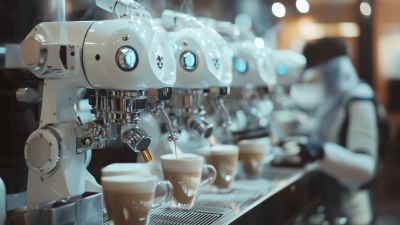
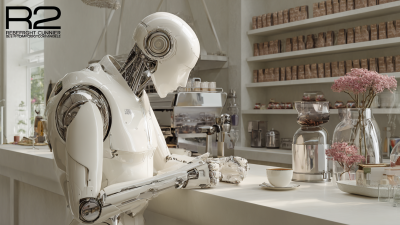
In recent years, the concept of a Robot Coffee Bar has emerged as a fascinating innovation in the coffee industry. This blend of technology and coffee may reshape our café experiences. Customers are intrigued by the efficiency and precision that robots can bring to their daily brew. Imagine a space where a robot crafts your latte exactly how you like it, with walls adorned in sleek, modern design.
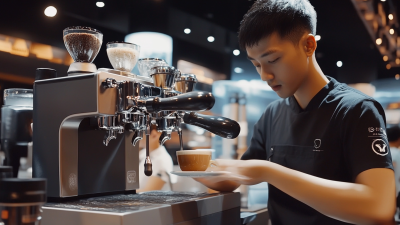
However, this futuristic vision raises questions. Will the Robot Coffee Bar truly enhance customer satisfaction? As we witness machines replacing skilled baristas, we must wonder about the human touch in coffee preparation. The debate grows around whether automation could diminish the warmth of a traditional coffee shop atmosphere.
Despite these concerns, the Robot Coffee Bar may offer consistent quality and save time. Many coffee enthusiasts appreciate convenience, especially in bustling urban centers. Yet, balancing robotics and personal interaction remains a challenge. The future of coffee shops rests on how well we navigate these changes, blending tradition with technology.
The Rise of Robot Coffee Bars in Modern Cafés
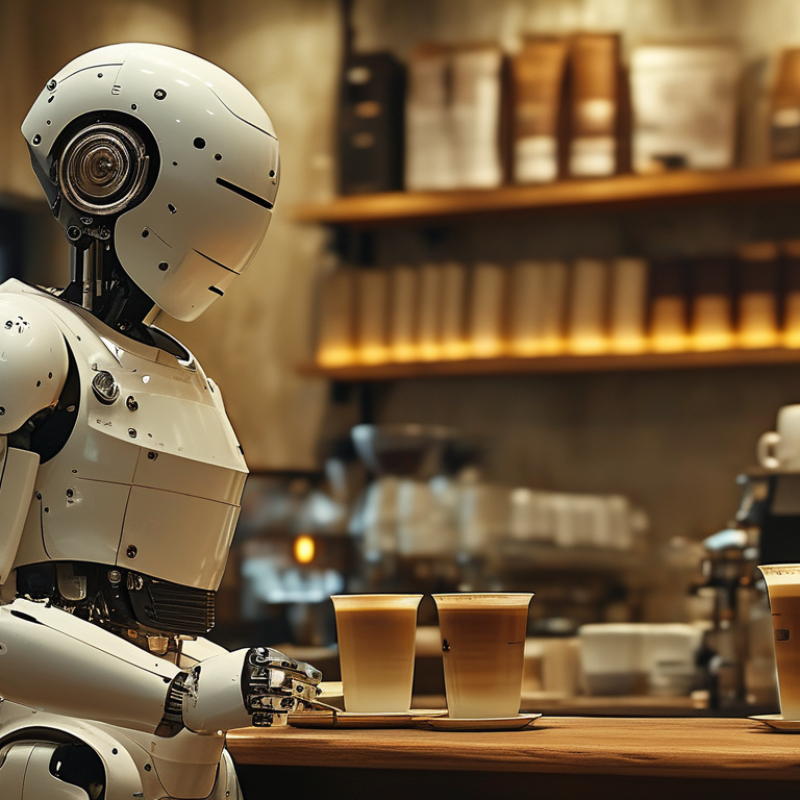
The rise of robot coffee bars is reshaping the café landscape. According to recent industry reports, nearly 30% of consumers are intrigued by automated coffee services. This trend stems from the demand for speed and efficiency in daily routines. Automation not only reduces wait times but also can enhance drink consistency, crucial for coffee aficionados.
In major cities, these robotic systems are gaining traction. Data indicates that coffee shops using automated baristas may lower operational costs by 20-30%. However, the technology is not flawless. Some users report a lack of personalization in taste. The human touch often remains essential for creating unique flavors.
Critics question whether robots can replicate the ambiance of traditional cafés. While efficiency is admirable, the warmth of human interaction is tough to replace. Balancing automation with a welcoming atmosphere will be vital as this trend evolves. As the market embraces these innovations, ongoing improvements and consumer feedback will shape the future of coffee shops.
Advantages of Robotic Baristas Over Traditional Coffee Shop Staff
The rise of robotic baristas is reshaping the coffee shop landscape. These automated systems offer speed and efficiency unmatched by traditional staff. A recent report from the International Barista Association noted that robotic barristas can serve up to 300 cups an hour. In contrast, human baristas typically manage only 60 to 100 cups in the same time frame. This efficiency could lead to higher customer satisfaction, especially during peak hours.
Cost efficiency is another advantage. Implementing robotic systems can reduce labor costs significantly. According to data from Statista, labor costs represent about 30% of coffee shop expenses. Robots can operate 24/7, reducing the need for overtime and maximizing profits. However, there are challenges to consider. Robotic systems lack the personal touch of a skilled barista. Customers often value the interaction and artistry that a human can provide.
While robotic baristas are promising, they are not a perfect solution. Situations that require quick judgments and personal flair can leave machines faltering. For instance, customizing a drink to a customer's unique preference still seems to require a human touch. Balancing efficiency with customer experience remains a critical aspect for coffee shop owners.
Consumer Perception and Acceptance of Robot Coffee Services
The rise of automated coffee services has sparked intrigue among consumers. Robot coffee bars are reshaping how we enjoy our daily brew. Convenience is a major driver. With just a few taps, coffee lovers can order their favorite drinks without waiting in line. Many consumers appreciate the speed of service and consistency in quality.
However, the acceptance of robot baristas isn’t universal. Some patrons express skepticism about the lack of human interaction. A warm smile and small talk often enhance the coffee experience. The mechanical nature of robot service can feel sterile or impersonal. Consumers wonder if technology can truly replicate the artistry involved in coffee-making.
Perception varies widely across demographics. Younger customers tend to embrace innovation and technology. They view robot coffee bars as futuristic and exciting. In contrast, older generations may prefer traditional coffee shops for their familiarity and charm. As society evolves, the balance between automation and human touch deserves careful reflection. Do we risk losing the essence of community that coffee shops provide?
Is the Robot Coffee Bar the Future of Coffee Shops? - Consumer Perception and Acceptance of Robot Coffee Services
| Dimension |
Value |
| Consumer Interest in Robot Coffee Bars |
76% |
| Willingness to Pay More for Robot Services |
58% |
| Concerns About Quality of Service |
45% |
| Preference for Human Interaction |
72% |
| Expectations on Speed of Service |
85% |
| Overall Satisfaction with Robot Services |
68% |
Technological Innovations Driving the Robot Coffee Bar Revolution
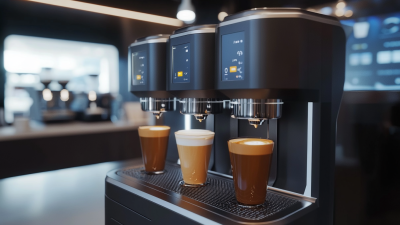
The rise of robot coffee bars marks a significant shift in how we think about coffee shops. Advanced robotics and AI play crucial roles in this transformation. These innovations facilitate speed and efficiency, allowing customers to enjoy their favorite brews quickly. Imagine a coffee-making robot seamlessly grinding beans, brewing, and serving drinks. It’s a delightful blend of technology and the art of coffee.
However, this trend presents challenges. Automation can lack the personal touch that many patrons cherish. Human baristas often create connections with customers, making the experience special. There are concerns about job displacement too. As machines take over, the question arises: what happens to traditional baristas?
Moreover, while robotic systems offer consistency, they can malfunction. An improperly calibrated machine may yield a less-than-perfect cup of coffee. It requires regular maintenance and updates. This dependency on technology can create vulnerabilities. As we embrace the future, we must balance innovative advancements with the warmth of human interaction in coffee culture.
Is the Robot Coffee Bar the Future of Coffee Shops?
This chart represents the increasing consumer interest in automated coffee service over the years. Data shows a significant rise in preference for robot-operated coffee bars among different age groups.
Future Trends: What’s Next for Robotics in the Coffee Industry?
The coffee industry is witnessing an intriguing shift with the rise of robotics. Industry reports indicate that the global coffee robotics market is projected to grow significantly. By 2025, it could reach a value of over $3 billion. This surge reflects a budding interest in automation within coffee shops. Robotic baristas can deliver consistent quality at scale, addressing both labor shortages and efficiency challenges. However, the integration of robots raises questions about customer experience and connection.
Some consumers may miss the human touch in their interactions. Personal service often enhances customer satisfaction. A survey conducted by the National Coffee Association revealed that 60% of coffee drinkers value the barista’s expertise. While robots can replicate flavors perfectly, they may lack the personal nuances. Training robots to engage with customers requires thoughtful design. A balance should be sought between speed and warmth.
Moreover, sustainability is a crucial consideration. Automated systems can reduce waste during the brewing process. Yet, the production and energy demands of robotics must be scrutinized. As the industry innovates, careful reflection on these aspects will be essential. Robotics may indeed shape the future of coffee shops, but a blend of technology and humanity is necessary for long-term success.