Top Hand Retractable Spring Plunger Buyers Guide for Quality
In the world of precision engineering, the Hand Retractable Spring Plunger stands out as a vital component. These devices provide reliable and efficient solutions for numerous applications. Their versatility allows for seamless integration into different systems, enhancing functionality.
Selecting the right Hand Retractable Spring Plunger involves understanding key features such as load capacity and size. A quality spring plunger not only improves performance but also ensures safety and longevity. However, not all plungers deliver the same level of reliability. Some products may fall short in durability or function.
Buyers need to consider expert opinions and feedback to make informed choices. This guide aims to highlight essential factors influencing the selection process. By focusing on quality, users ensure the best outcomes for their projects. The right plunger can make a substantial difference in efficiency. Attention to detail is crucial, as even minor oversights can lead to challenges down the line.
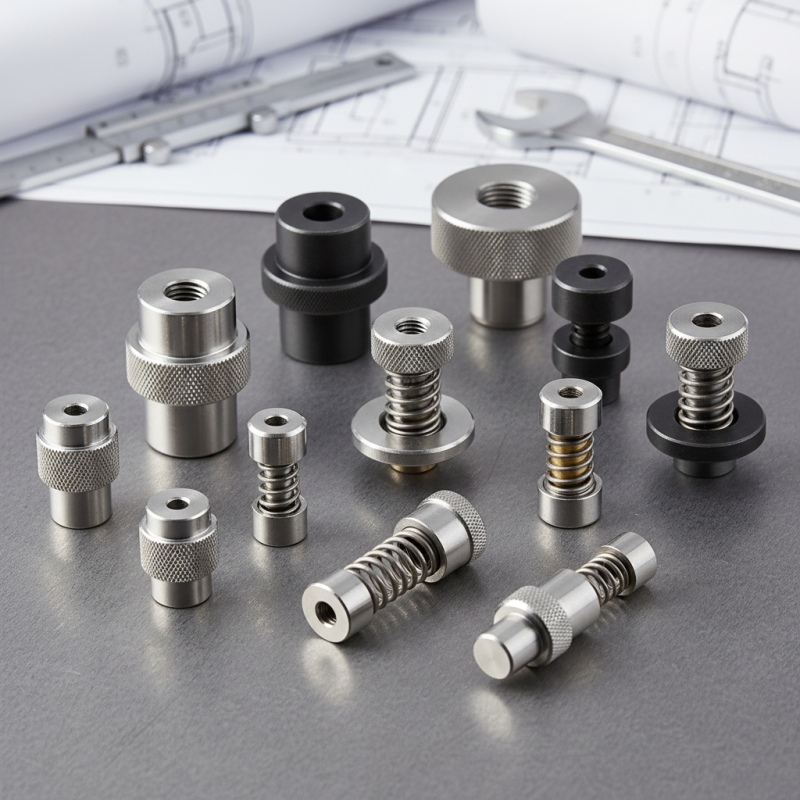
Understanding the Functionality of Retractable Spring Plungers
Retractable spring plungers are essential components in various mechanical applications. They provide reliable functionality by allowing for quick and efficient locking and positioning of parts. These devices operate based on a simple yet effective mechanism. A spring-loaded pin retracts when pressed and extends automatically when released. This helps in achieving a secure fit with minimal effort.
According to a report from the International Journal of Mechanical Engineering, the global market for spring plungers is expected to reach $1.2 billion by 2026. This growth is driven by increased demand in the automotive and aerospace industries. The responsiveness and accuracy of these plungers play a significant role in automation and ease of use in machinery. However, one must consider that not all plungers are created equal. Variability in spring tension and materials can affect performance.
While retractable spring plungers are generally reliable, imperfections can arise. For example, a plunger may not engage fully if dirt or debris obstructs its path. Regular maintenance is crucial to prevent such issues. Additionally, understanding the load capacity of each plunger can prevent failure in high-stress applications. Engineers should always assess their requirements and test plungers in real-world scenarios before finalizing their choices.
Key Features to Look for in Top Hand Retractable Spring Plungers
When selecting a top hand retractable spring plunger, consider several key features. The material is crucial. High-quality plungers often use stainless steel due to its durability and resistance to corrosion. Choosing the right material can enhance longevity and reliability, especially in tough environments.
Another vital aspect is the actuation mechanism. Ensure it operates smoothly, providing quick and easy engagement. A plunger that sticks or requires excessive force can lead to frustration. Pay attention to the plunger's grip design as well. A comfortable grip will improve ergonomics, making tasks easier and more efficient.
**Tips:**
Look for plungers with a safety lock feature. This can prevent accidental disengagement during use. Also, size matters. A compact design is often portable, while larger options can offer more stability. Remember to assess your specific needs. Striking a balance between size and functionality can be challenging and may require some trial and error.
Top Hand Retractable Spring Plunger Quality Comparison
Material Choices for Durability and Performance in Spring Plungers
Choosing the right materials for spring plungers is crucial for ensuring durability and performance. Common options include stainless steel, which offers excellent corrosion resistance. This is vital in environments exposed to moisture.
Nylon is another popular choice; it provides a lightweight option that still maintains strength and functionality. When considering performance, thermoplastics can withstand various temperatures, making them versatile. The selection process can be daunting, especially if durability is a priority. Some users might overlook the importance of choosing high-quality materials, leading to premature wear.
Ultimately, the material choice can drastically affect the lifespan of the spring plunger. Users should weigh their specific needs against the characteristics of available materials. Reflecting on past experiences, some might find that opting for a more durable option pays off in the long run. Taking time to research and understand different materials can lead to better outcomes.
Tips for Selecting the Right Size and Type of Spring Plunger
When selecting a spring plunger, size and type are crucial. Understanding your specific needs helps you avoid common mistakes. Many buyers overlook dimensions. A plunger that is too large or small will not function properly. Measure the installation space accurately. Know the load capacity you require. This ensures the right fit for your application.
Choosing the right type is equally important. Spring plungers come in different materials and mechanisms. Consider factors such as corrosion resistance and temperature limits. Some springs may rust or lose tension over time. Research materials thoroughly to avoid unexpected failures. User reviews can provide insights about durability.
Take your time during the selection process. It’s easy to rush and make poor choices. Reflect on your requirements regularly. Ask yourself if you have considered all variables. Scrutinize all options before making a decision. Small details can lead to significant changes in performance. Stay informed to enhance your buying experience.
Maintenance Practices for Prolonging the Life of Your Spring Plunger
Maintaining the longevity of your spring plunger requires attention to detail. Frequent inspection is vital. Look for wear and tear. Small issues can escalate if ignored. Proper lubrication is essential. Use an appropriate lubricant to prevent rust and ensure smooth operation. Keeping the plunger clean can enhance its lifespan.
Environmental factors play a significant role. Exposure to moisture can cause corrosion. If possible, store your plungers in a controlled environment. Physical impacts can damage your plungers too. Handle them with care to prevent dents or bends. Regular maintenance might seem tedious, but it pays off in performance.
Sometimes, despite your best efforts, things go wrong. A plunger may still fail unexpectedly. When that happens, analyzing the cause is crucial. Was it lack of maintenance? Improper handling? Each failure can teach a valuable lesson. Embrace these moments as opportunities for improvement.
Top Hand Retractable Spring Plunger Buyers Guide for Quality - Maintenance Practices for Prolonging the Life of Your Spring Plunger
| Aspect | Recommendation | Benefit |
| Material Quality | Opt for stainless steel or high-quality alloys. | Increased durability and resistance to corrosion. |
| Maintenance Frequency | Inspect monthly and lubricate every six months. | Prolonged life and consistent performance. |
| Load Capacity | Choose a plunger rated for higher than required loads. | Avoid premature failure and fatigue. |
| Environmental Conditions | Select products designed for specific environments (e.g., humid). | Enhanced functionality and reliability. |
| Usage Guidelines | Follow manufacturer instructions carefully. | Ensures optimal operation and safety. |