
What Is a Rental Door Lock and How Does It Work?
A Rental Door Lock is the hardware and access system that helps control who can enter a rented home. It may use a traditional metal key, a keypad, a key fob, or a smartphone app. The exact setup depends on the property and lock model. Some systems are simple. Others connect to a central access platform.
Inside a basic mechanical lock, the key moves small pins or components into the correct position, allowing the cylinder to turn. Electronic models use a different process: a keypad or credential sends an authorized signal, and a motor or actuator releases the latch. You may hear a soft click, then feel the handle move. That small detail can help you tell whether the door actually unlocked.
Not every smart lock works the same way. Some need batteries, an internet connection, or a physical backup key; others do not. Check the manufacturer’s instructions and ask the property manager how entry, temporary access, and battery warnings are handled. A lock that looks modern is not automatically more reliable. That matters.
This guide explains the main types of Rental Door Lock, how their parts work, and what to check during everyday use. It also recognizes a practical limitation: renters may not control the hardware or its settings. Knowing the lock’s basic operation can make arrival easier and help you report a problem clearly, without forcing a door or guessing at unfamiliar controls.
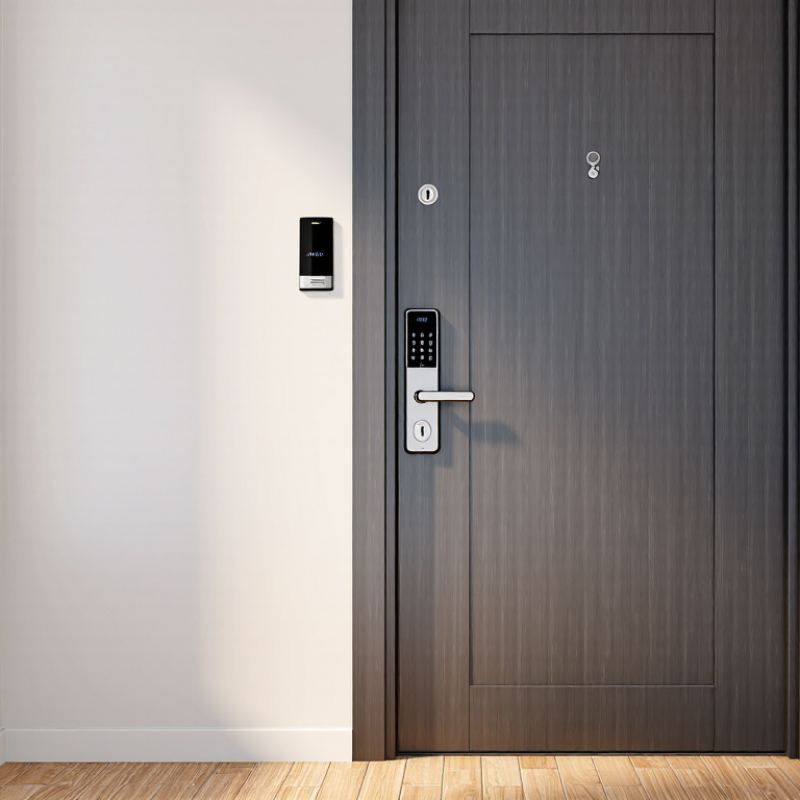
What a Rental Door Lock Is
A rental door lock is a locking device installed on a door in a home that is rented. The term is not a special technical category. It may describe a familiar deadbolt, a lock built into a handle, or an electronic keypad lock. Its purpose is to control entry through a specific door. Small detail. The lock may use a key, a code, or both, depending on its design.
The lock usually includes a body fitted into or onto the door, plus a bolt or latch that engages the frame. A key turns the mechanism; a keypad sends an electronic signal to release it. The door and frame matter too. A sturdy lock can still work poorly if the bolt misses the strike plate or the door sticks. When describing a rental lock, note how it operates and who manages access, rather than assuming every rental has the same setup. The label can be a little imprecise. For a tenant or property manager, the door’s condition, the lock’s fit, and the agreed process for handling keys or codes are practical details worth checking.
Key Components of a Rental Door Lock
A rental door lock is a group of parts working together, not just the piece that accepts a key. Its cylinder contains the keyway and internal pins or wafers that respond to the correct key. When the key turns, the cylinder moves a cam or tailpiece inside the door. That motion retracts the bolt. A stiff key or rough turn can point to wear, dirt, or poor alignment, though the symptom alone does not identify the cause.
The latch bolt is the angled metal piece that clicks into the frame when the door closes. A deadbolt, when fitted, extends farther into the frame and is usually operated with a key or thumb turn. The strike plate surrounds the opening in the door frame and helps guide the bolt into place. Its screws matter. If the plate shifts, even a sound lock may feel difficult to use. A narrow gap between door and frame can cause trouble too.
The handle or knob lets a tenant pull the door shut, while the lock body and trim hold the operating parts in position. Some rental locks also include a thumb turn on the inside, allowing the door to be locked without a key. During a basic inspection, check that the latch moves freely and the door closes without being forced. Small alignment issues are easy to overlook, and not every sticking lock needs the same repair.
How a Rental Door Lock Opens and Secures a Door
A rental door lock controls how the door opens and helps keep it closed when locked. Many doors use a spring latch, which slides into the frame as the door shuts. Turning a handle retracts the latch and lets the door swing open. Simple, but the parts must line up.
A deadbolt adds another layer. When you turn a key or thumb-turn, a solid metal bolt moves into a reinforced strike plate in the frame. That bolt does not retract just because someone presses the handle. Some rental locks use a keypad or electronic reader; these release the latch after an approved code or credential is accepted. The exact setup varies, so check the lock’s instructions rather than forcing a stiff key or handle. A loose strike plate can affect how securely the door closes.
Tips: Test the lock with the door open, then closed, to see whether the bolt moves smoothly. Keep the key accessible, and report sticking, loose hardware, or a door that will not latch to the property manager. Ask before changing the lock. A small alignment problem can be easy to miss, even when the door looks shut.
What Is a Rental Door Lock and How Does It Work?
Turning a key or interior thumb turn moves the bolt from the lock body into the door frame’s strike plate. Retracting the bolt lets the door open. The chart shows a simplified locking sequence: percentages represent normalized bolt extension, not measured travel distances; actual lock designs vary.
Common Types of Rental Door Locks
A keyed deadbolt is common on apartment entry doors. Turning a key moves a solid bolt into the door frame, adding resistance beyond a spring latch. Some doors pair it with a keyed knob or lever. The deadbolt is usually the stronger part; the handle latch mainly keeps the door closed. Simple, but not foolproof. A poorly aligned strike plate can make even a sturdy lock difficult to use.
Keypad locks replace a traditional key with a numeric code. Depending on the model, they may use batteries and include a key override. Smart locks can add phone access, temporary codes, or activity records. Those features can be useful when guests arrive at different times. Convenient, with trade-offs. Dead batteries, weak connectivity, or forgotten codes can cause trouble, so check for a backup method before relying on one.
Some rentals use mortise locks, which fit into a pocket cut inside the door and may combine a latch and deadbolt in one unit. Their operation varies, so inspect the latch and keyway rather than assuming every model works alike. Before changing hardware, confirm the property’s requirements and keep any removed parts. A small detail matters: door thickness and frame alignment affect fit. It is easy to focus on the lock itself and overlook the door around it.
Installation, Access, and Maintenance in Rental Properties
A rental door lock is the hardware that controls entry while allowing residents and authorized staff to access the unit. Before installation, check the door’s thickness, backset, and swing direction. The latch should move freely, and the strike plate should align with the bolt. Fit matters. A misaligned door can make even a durable lock feel unreliable. Property owners should coordinate changes with residents and keep a clear record of issued keys or access codes.
Access methods range from physical keys to keypads and electronic credentials. For keypad systems, assign individual codes where possible, remove former residents’ access at turnover, and keep a secure backup entry method. During routine checks, test the bolt, handle, batteries, and door alignment; look for loose screws or a latch that catches. The ANSI/BHMA A156.2 standard evaluates lock performance at 800,000 cycles for Grade 1, 400,000 for Grade 2, and 200,000 for Grade 3. These test levels help compare durability, but they do not account for poor installation or a door that has shifted. That part is easy to overlook. A brief inspection between tenancies can catch small faults before they become repeated maintenance calls.
| Lock type | How it works | Installation considerations | Managing guest or tenant access | Maintenance and limitations |
|---|---|---|---|---|
| Keyed deadbolt | A physical key turns a bolt into the door frame. Many models can be locked or unlocked from inside with a thumb turn. | Check the door thickness, backset, bore-hole size, and alignment with the strike plate. Existing hardware may allow a straightforward replacement. | Provide and collect keys, or rekey the cylinder between occupants where permitted and appropriate. | Keep spare keys secured and check that the bolt moves smoothly. Lost keys may require rekeying or cylinder replacement. |
| Keypad deadbolt | A keypad accepts a programmed code and retracts or extends the deadbolt. Some models also retain a key cylinder for backup entry. | Confirm that the door and frame are compatible and that the bolt aligns without resistance. Follow the product instructions for mounting and setup. | Issue separate codes where supported and remove or change them when access ends. Code-management features vary by model. | Replace batteries when indicated, test backup entry, and avoid sharing permanent codes unnecessarily. A keypad does not remove the need for a working physical door and frame. |
| Connected smart lock | The lock uses an electronic credential, such as an app, code, or digital key. Remote features may depend on a hub, network connection, or compatible service. | Check mechanical compatibility, wireless coverage, power requirements, and whether the property’s door can operate the bolt freely. | Depending on the system, an administrator can create, schedule, or revoke credentials and review access events. Features and connectivity requirements differ. | Monitor batteries and connectivity, keep a documented backup-entry plan, and secure administrator accounts. Remote access may be unavailable during network or power-related issues. |
| Lever handle lock | A lever operates a latch; some versions include a keyed cylinder or a separate deadbolt for additional locking. | Verify the door handing, latch size, and existing bore pattern. A lever lock may be used on suitable doors, but it is not automatically a substitute for a deadbolt. | Access is typically managed with physical keys unless the unit has an electronic credential feature. | Inspect the latch, handle, and fasteners for looseness or sticking. Choose hardware appropriate to the door and local requirements. |
| Any rental door lock | The lock secures a door by controlling a latch or bolt; its exact operation depends on the hardware and its installation. | Use compatible hardware and have installation assessed by a qualified professional when the door, frame, or existing lock is damaged or unusual. | Set clear procedures for issuing, returning, changing, or revoking access when occupancy changes. | Test operation periodically and address sticking, loose hardware, or failed credentials promptly. Follow applicable lease terms, building rules, and local safety requirements. |