What is Recard Tissue Machine at 139th Canton Fair?
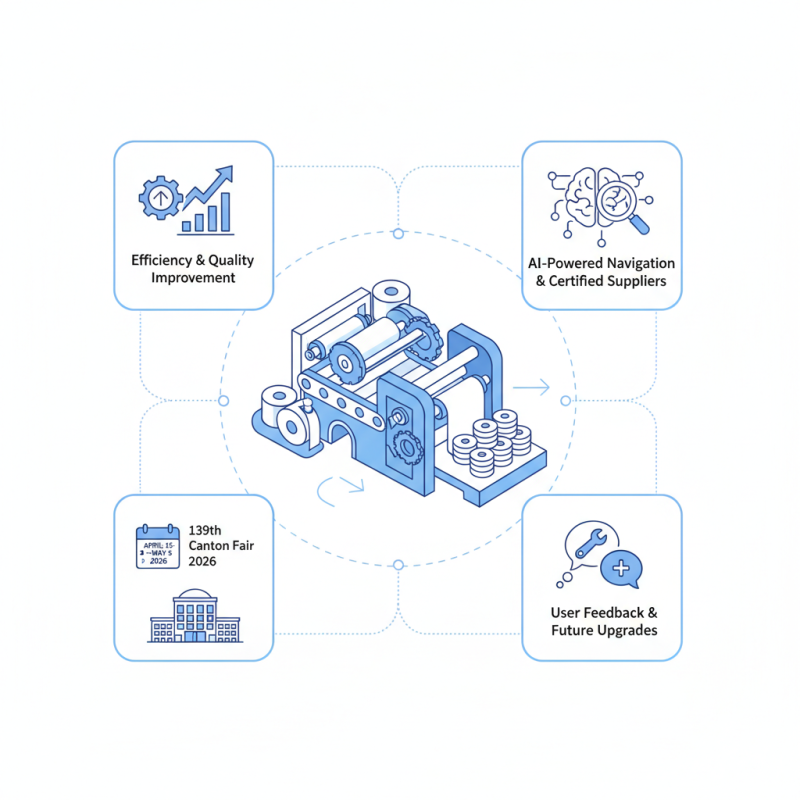
At the 139th Canton Fair, the spotlight will shine on innovative technologies, including the Recard Tissue Machine. This machine signifies a major advancement in tissue production. It showcases efficiency and quality improvement, essential in today’s competitive market.
The fair, running from April 15 to May 5, 2026, emphasizes advanced manufacturing and machinery. Visitors will encounter over 155,000 square meters of exhibits. Introducing AI-powered technologies will enhance the experience for buyers. They will navigate easily and find certified suppliers, yet some may still find the sheer size overwhelming.
The Recard Tissue Machine exemplifies modern manufacturing, but there are areas for improvement. Its features must evolve to meet growing demands. Feedback from users will be vital for its future upgrades. Engaging with potential customers at the fair will provide essential insights. The future of tissue production rests on both innovation and adaptability in this dynamic industry.
Overview of Recard Tissue Machine
The Recard tissue machine showcased at the 139th Canton Fair represents the forefront of tissue production technology. This machine meets the rising demand for high-quality tissue products, driven by increasing consumer needs. According to industry reports, the global tissue paper market is projected to reach $100 billion by 2026, growing at a CAGR of 4.5% from 2021.
The Recard tissue machine excels in efficiency and sustainability. It can produce several tons of tissue every day while minimizing waste. With features like advanced automation, the machine reduces labor costs significantly. It also aligns with environmental goals by using recycled fibers, an essential aspect as the industry shifts toward eco-friendly production methods.
Despite its innovative capabilities, the adoption of such machines can be a challenge for some manufacturers. High initial investments and the need for skilled operators may deter smaller companies. They may need to evaluate whether the long-term savings justify the upfront costs. Balancing technology adoption with operational capabilities is crucial for success in this rapidly evolving market.
Key Features of the Recard Tissue Machine
At the 139th Canton Fair, the Recard Tissue Machine showcased impressive features. This machine is known for its efficiency and versatility in tissue production. It can handle various paper grades, making it appealing to diverse manufacturers. The touch screen interface is user-friendly, enabling operators to adjust settings easily.
One standout feature is the energy-saving technology. This reduces operational costs, which is crucial for many businesses. It also minimizes waste, which is often a concern in paper production. However, users noted that the initial setup can be tedious. Adjustments can be tricky for those unfamiliar with the machine's specifications.
Another interesting aspect is its compact design. It saves space while maintaining high output capacity. Yet, some operators mentioned that maintenance could be challenging. Access to certain components is limited, requiring periodic checks. Overall, the Recard Tissue Machine offers innovative solutions for modern tissue production. More feedback from users would enhance its development further.
Key Features of the Recard Tissue Machine
This bar chart illustrates the key features of the Recard Tissue Machine, highlighting various aspects such as Production Speed, Paper Quality, Energy Efficiency, and Automation Level.
Applications in the Tissue Manufacturing Industry
The Recard Tissue Machine showcased at the 139th Canton Fair represents a significant advancement in tissue manufacturing. This machine is designed to enhance efficiency and quality in the production of tissue products. Its technology allows for faster production cycles while maintaining high standards in tissue softness and absorption.
Applications of this machine are vast. It enables manufacturers to produce a variety of tissue products, from toilet paper to facial tissues. The machine can easily handle different raw materials, which offers versatility in sourcing. However, the initial setup can be complex, requiring time and expertise to maximize its potential.
The industry faces challenges, too. Adapting to new technologies is not always straightforward. Some manufacturers may struggle with the learning curve associated with operating advanced machines. Quality control remains a concern, as any miscalibration can lead to significant waste. Thus, while the Recard Tissue Machine offers promise, careful implementation and training are key.
What is Recard Tissue Machine at 139th Canton Fair? - Applications in the Tissue Manufacturing Industry
| Feature | Specification | Application | Benefits |
| Production Speed | 600 m/min | Toilet Paper | High efficiency in production |
| Width | 2860 mm | Facial Tissue | Versatile tissue products |
| Power Consumption | 450 kW | Kitchen Towels | Energy-efficient operation |
| Automation Level | Fully Automated | Napkins | Reduced labor costs |
| Control System | PLC-based | Industrial Towels | Improved precision and quality |
Innovations and Technologies Introduced at the 139th Canton Fair
The 139th Canton Fair showcased a variety of innovations in manufacturing technology, particularly in tissue production. One notable machine was the Recard Tissue Machine, designed to improve efficiency and quality. Reports state that the tissue paper market globally is expected to reach $92 billion by 2025, driven by rising demand for hygiene products. The Recard Machine addresses this need by optimizing production processes.
The technology built into the Recard Tissue Machine allows for faster speeds and reduced energy consumption. Industry data suggests that advancements in tissue manufacturing can result in up to 30% decrease in production costs. However, the implementation of such technology poses challenges. Companies must adapt to new operational methods, which can lead to initial inefficiencies. Some manufacturers report difficulties in training staff to effectively use new equipment.
Additionally, while automation is a boon for productivity, it might also introduce a disconnect in quality control. Without proper oversight, the risk of defects increases as machines become more autonomous. This paradox highlights a need for balance between innovation and quality assurance in the tissue production industry. The innovations at the Canton Fair spark important discussions on both potential and pitfalls in technology adoption.
Impact of Recard Tissue Machine on Global Market Trends
The Recard Tissue Machine, showcased at the 139th Canton Fair, is redefining the tissue industry landscape. This machine offers efficiency and sustainability, catching the eyes of international buyers. Recent reports show that the global tissue paper market is expected to grow by 4.5% each year, indicating a rising demand for automation in production.
Data highlights that tissue paper consumption is soaring, driven by urbanization and changing lifestyles. Consumers prioritize hygiene, boosting tissue product requirements. However, the introduction of new technology also brings challenges. Manufacturers must adapt quickly or risk falling behind. Automation can reduce labor costs, but it may also lead to job losses. Balancing innovation and workforce stability is crucial.
Sustainability is another pressing issue. Transitioning to eco-friendly materials is essential for future growth. Reports reveal that 70% of consumers prefer products sourced from renewable resources. Yet, many manufacturers struggle with the costs associated with sustainable practices. The push towards greener solutions is vital, but it's still a challenging journey for many in the industry.