What is a Mini Reciprocating Saw and Its Key Benefits?
In recent years, the mini reciprocating saw has gained significant popularity in various industries, especially in construction and plumbing. According to a report by MarketsandMarkets, the global power tools market is projected to reach $41.07 billion by 2026, with mini saws emerging as essential tools for precise cutting tasks. These saws are designed for versatility and efficiency, providing users with the ability to cut through different materials with ease.
One of the standout benefits of mini reciprocating saws is their portability. Weighing significantly less than traditional saws, they are easier to maneuver, making them ideal for tight spaces. Additionally, their battery-powered designs contribute to a cleaner work environment by eliminating cords. Research also highlights that professionals prefer these tools for their adaptability. Whether in a DIY project or a complex construction job, mini saws can be the perfect solution.
However, it's important to approach these tools with caution. Users often underestimate the power and speed, which can lead to accidental injuries. Familiarity with the tool’s features is crucial for safe operation. For more information on the functions and advantages of mini reciprocating saws, visit https://www.medicalsnk.com/mini-reciprocating-saw-electric/. This understanding can enhance both productivity and safety in various applications.
What is a Mini Reciprocating Saw: Definition and Overview
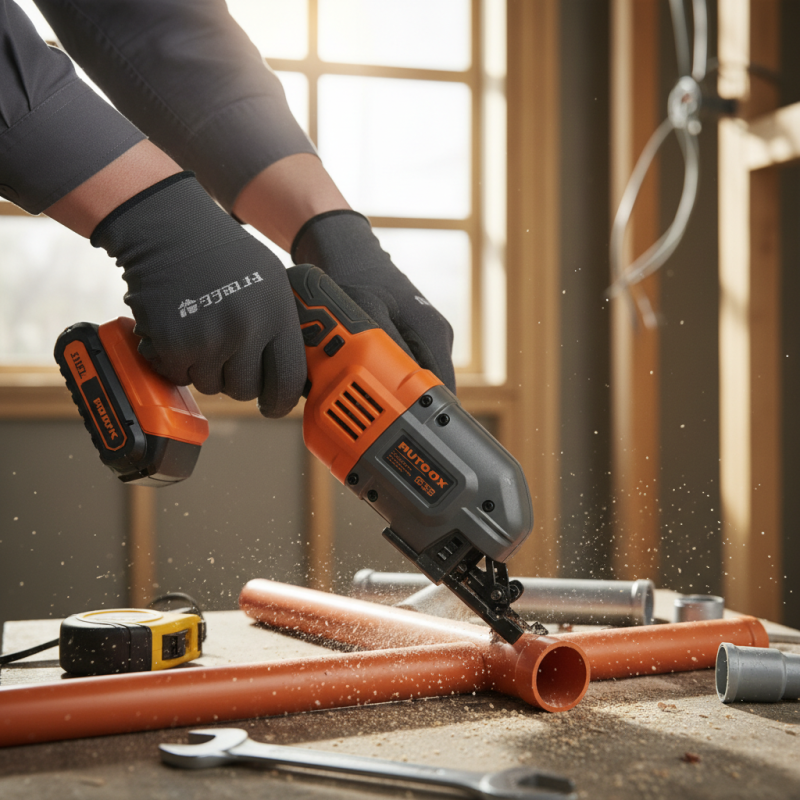
A mini reciprocating saw is a compact power tool designed for a variety of cutting tasks. It features a straight blade that moves back and forth, making precise cuts in wood, metal, and more. The size of this tool allows for easy maneuverability in tight spaces. Users often appreciate the lightweight design. This saw is ideal for DIY projects and home renovations.
Key benefits of a mini reciprocating saw include its versatility and efficiency. It can cut through different materials, which is vital for many projects. This versatility can save time. Many professionals and hobbyists find that they can complete tasks more quickly with this tool. Additionally, the small size means it can be stored easily. However, some may find the limited cutting depth challenging.
Another advantage is its ease of use. It often requires minimal setup, making it accessible for all skill levels. Yet, it's crucial to acknowledge that safety measures are essential when operating such tools. Improper handling can lead to accidents. Being aware of your surroundings is also important. Overall, the mini reciprocating saw stands out for its practicality, though users should approach its use with care.
Key Features of Mini Reciprocating Saws
Mini reciprocating saws are gaining popularity among DIY enthusiasts and professionals alike. Compact and lightweight, these tools are ideal for tight spaces. One of their key features is the adjustable speed settings. This allows users to control cutting precision. Whether you’re working with wood or metal, speed can enhance your cutting technique.
Another notable feature is the variety of blade options. Users can switch between blades based on material. This flexibility makes mini reciprocating saws versatile. They can handle delicate tasks or tough jobs easily. Additionally, ergonomic designs provide comfort during prolonged use. This aspect reduces fatigue, leading to more accurate cuts.
Durability is another critical point to consider. High-quality materials ensure the tool can withstand heavy use. However, over time, some components may wear out, requiring maintenance. Users must be mindful of this aspect. A mini reciprocating saw can be a powerful ally in any toolbox, but like any tool, it requires care and attention for optimal performance.
Advantages of Using a Mini Reciprocating Saw in Various Projects
A mini reciprocating saw is a versatile tool with numerous advantages for various projects. It excels in tight spaces where larger saws struggle. This compact design makes it perfect for remodelers and DIY enthusiasts alike. Whether you're tackling plumbing, electrical work, or light demolition, a mini saw delivers precision.
One key benefit is its lightweight nature. Users can maneuver it easily, reducing fatigue during extended use. The ability to quickly swap blades enhances its functionality. You can cut wood, metal, or plastic efficiently. Many find it surprisingly powerful despite its size. However, beginners might struggle with control at first. Practice is essential to master its operation.
Moreover, a mini reciprocating saw is quieter than traditional models. This feature is invaluable for indoor projects or residential areas. It allows for a more comfortable working environment. Nonetheless, working with power tools always comes with risks. Proper safety measures are crucial. Users should wear protective gear and understand the tool's limits to ensure safe operation.
Comparison of Mini Reciprocating Saws with Traditional Saws
Mini reciprocating saws are transforming the way we approach cutting tasks. These compact tools are lightweight and easy to handle, making them ideal for various applications. In contrast, traditional saws can be bulky and require more physical strength to operate. This difference in design means that mini saws can be used in tight spaces where larger tools simply cannot fit.
The efficiency of mini reciprocating saws lies in their versatility. They excel in cutting through wood, metal, and even plastic. Traditional saws, while effective, may struggle with materials that demand quick adjustments. Users often find that mini saws reduce fatigue during extended use. They offer maneuverability that traditional options cannot match.
However, the learning curve for mini saws can be steep. Users may find it challenging to control the saw at first. The smaller size might lead to unintentional mistakes if not handled carefully. Experienced users often recommend patience and practice for best results. Overall, mini reciprocating saws present a compelling alternative, but they come with their own set of challenges.
Comparison of Mini Reciprocating Saws with Traditional Saws
This chart illustrates the benefits and features of Mini Reciprocating Saws compared to Traditional Saws, highlighting key aspects such as weight, versatility, and ease of use.
Safety Tips for Using a Mini Reciprocating Saw Effectively
Using a mini reciprocating saw can be efficient and convenient. However, safety should always come first. Always wear appropriate PPE, including goggles and gloves. These basic safety measures can protect you from flying debris and sharp blades. Ensure your workspace is clean. A clutter-free area reduces the risk of accidents.
Before starting, inspect the blade and the tool. Look for any signs of wear or damage. Dull blades can cause kickback, which is dangerous. Always secure your material properly. This prevents it from moving while cutting. When operating the saw, maintain a firm grip. A steady hand helps produce cleaner cuts.
Familiarize yourself with the saw's controls. Understanding its functions enhances safety. Start on a lower speed setting for delicate materials. Increase speed as needed, but never rush your work. Always keep hands clear of the cutting area. Finally, after use, unplug the saw and store it safely. Reflect on your experience after each project. Continuous learning leads to better practices.