
Why Is Industrial Rigging Essential for Global Buyers?

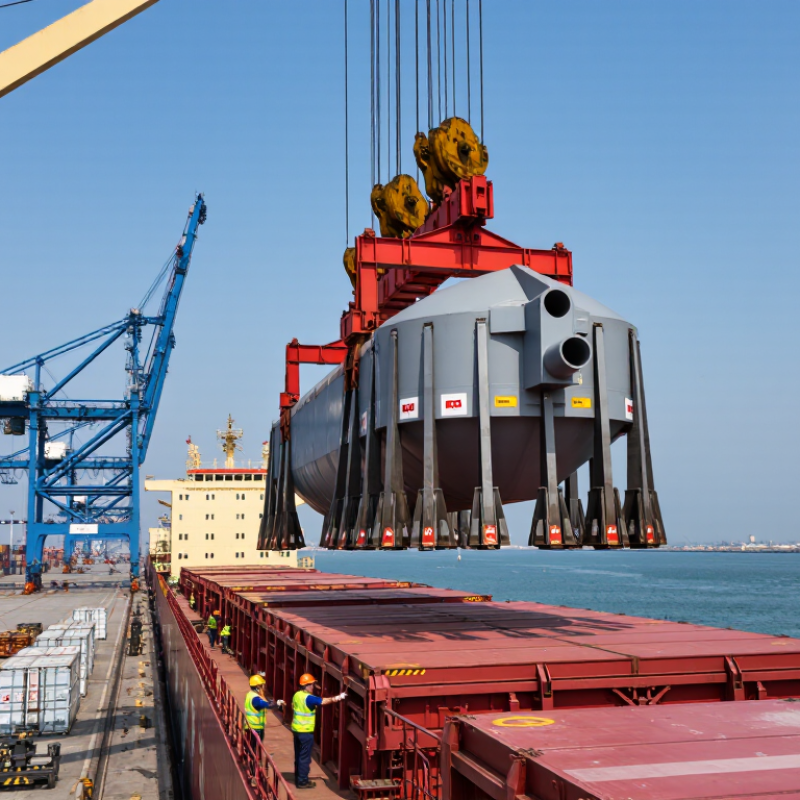
Industrial Rigging is essential for global buyers because heavy equipment rarely travels through one simple environment. A steel vessel may leave a factory, cross an ocean, and arrive at a crowded construction site. Each stage introduces different lifting risks. Weight, center of gravity, sling angle, weather, packaging, and available crane capacity all matter. A small planning error can damage expensive machinery before commissioning even begins.

Randy Anderson, a lifting-safety instructor with Industrial Training International, states, “A safe lift starts with understanding the load, not attaching the rigging.” This principle remains practical for international procurement teams. Buyers should request verified working load limits, inspection records, material certificates, lifting points, and clear handling instructions. They should also confirm whether local crews understand the equipment and applicable safety expectations. Standards may differ between countries. The physics does not.

Reliable Industrial Rigging suppliers provide more than chains, slings, shackles, and spreader beams. They provide traceability, technical guidance, training support, and realistic load assessments. A sling label may look clear. Its angle can still reduce capacity sharply. A crate may seem stable. Its center of gravity may disagree. These details become critical beside a dock, beneath a mobile crane, or inside a narrow factory entrance.

No checklist is perfect. That is worth admitting. Buyers sometimes focus on price, delivery speed, and certificates while overlooking site conditions. A stronger approach connects purchasing decisions with lift planning, competent supervision, inspection discipline, and emergency preparation. Industrial Rigging is not merely a product category. It is a risk-control system that protects people, cargo, schedules, and long-term supplier confidence.
Why Is Industrial Rigging Essential for Global Buyers?

What Industrial Rigging Means in Global Supply Chains

Why Is Industrial Rigging Essential for Global Buyers?

Industrial rigging in global supply chains means preparing, lifting, securing, and positioning heavy equipment safely. It connects factory floors, warehouses, ports, and installation sites. Buyers depend on rigging plans that match the cargo’s weight, center of gravity, dimensions, and lifting points. A poorly balanced machine can shift during loading, even when the equipment appears secure. That small movement may damage packaging, delay delivery, or create serious workplace hazards.

Tips: Request current load charts, inspection records, and clear lifting instructions before shipment. Confirm sling capacity, crane access, weather limits, and attachment points with qualified professionals. Use consistent measurements and photographs to reduce misunderstandings between suppliers, freight teams, and site crews. Local handling rules may differ, so project teams should verify requirements before work begins.

Reliable rigging also requires accurate documents. Packing lists should identify gross weight, lifting marks, and the machine’s orientation. Technical drawings should show approved lifting points, not assumptions based on appearance. In practice, teams sometimes focus on transport cost and overlook unloading conditions. That is a costly blind spot. A stronger process includes pre-shipment reviews, physical inspections, and direct communication across time zones. Still, no plan is perfect. Dimensions can change, access roads can narrow, and equipment may arrive with unclear markings. Experienced buyers leave room for verification rather than treating paperwork as unquestionable.

How Rigging Enables Safe Handling of Heavy Loads

Industrial rigging turns a heavy load into a controlled movement. For global buyers, that control protects cargo, workers, schedules, and receiving-site equipment. Safe handling begins before the crane moves. A competent rigger confirms the load weight, center of gravity, lifting points, and working load limits. Slings need the correct material, angle, length, and edge protection. Small angle changes matter. At 30 degrees, sling tension rises sharply, so an apparently adequate assembly may become overloaded. These decisions require field experience, not paperwork alone.

The U.S. Bureau of Labor Statistics’ Census of Fatal Occupational Injuries recorded 1,495 fatal injuries in transportation and material-moving occupations during 2023. That represented 28.3% of all workplace fatalities. The International Labour Organization estimated 2.93 million work-related deaths and 395 million non-fatal injuries worldwide in 2023. These figures cover every sector, not rigging alone. They still show why load control deserves serious attention. Crews should inspect hooks, shackles, wire rope, and synthetic slings for distortion, cuts, corrosion, or missing identification. They should also verify certificates and inspection dates.

Buyers should request readable rigging plans, rated accessories, inspection records, and photos of critical lifting points. Documents must match the actual shipment. An inconsistent serial number can expose a serious control gap. Weather, uneven ground, and limited visibility may change the plan at the destination. A lift that worked at origin may fail at the receiving site. That uncomfortable possibility deserves a pause. Even experienced crews can rush. Reliable rigging leaves room to stop, reassess, and correct.

Why Is Industrial Rigging Essential for Global Buyers? - How Rigging Enables Safe Handling of Heavy Loads
Rigging Dimension Verified Technical Data Effect on Safe Load Handling Practical Control for Buyers
Working Load Limit (WLL) The WLL is the maximum permitted load under specified conditions. It is not the same as the breaking strength of the equipment. Using equipment above its WLL can cause deformation, sling failure, dropped loads, and severe injury. Confirm the marked WLL, lifting configuration, load weight, center of gravity, and applicable standard before purchase or use.
Two-Leg Sling Angle For a symmetrical two-leg sling, approximate leg tension factors are: 90° from horizontal: 1.000; 60°: 1.155; 45°: 1.414; 30°: 2.000. As the sling angle decreases, tension in each leg increases. At 30° from horizontal, each leg carries approximately twice the share calculated for a vertical arrangement. Keep sling angles as large as practical and calculate leg tension before selecting the sling or lifting point. Avoid angles below 30° unless specifically engineered.
Load Balance and Center of Gravity A suspended load remains stable only when the combined lifting arrangement keeps the center of gravity below the lifting point or within the support polygon. An offset center of gravity can cause tilting, sliding, unexpected rotation, or uneven loading of sling legs. Identify the center of gravity, use appropriate lifting points, and perform a controlled trial lift a few centimeters above the ground.
Sling Material Selection Wire-rope slings provide high abrasion resistance; synthetic web slings are lightweight and can reduce surface damage; chain slings tolerate heat and rugged handling but are heavier. Incorrect material selection can lead to cutting, abrasion, heat damage, chemical deterioration, or excessive deformation. Match the sling material to load edges, temperature, chemicals, abrasion exposure, available headroom, and required flexibility.
Edge Protection Synthetic slings can be cut by sharp or unprotected load edges, even when the total load is below the sling's rated capacity. Cutting and localized pressure can cause sudden sling failure during lifting or movement. Use purpose-designed corner protectors, sleeves, or softeners and ensure that protection cannot slip out during the lift.
Shackles and Connection Hardware Shackles, hooks, master links, eyebolts, and lifting points must have compatible WLL ratings and suitable loading directions. Side loading, point loading, improper pin seating, or incompatible components can substantially reduce capacity. Check identification markings, pin condition, load direction, connection geometry, and compatibility of every component in the load path.
Inspection Before Use Common rejection indicators include broken wires, stretched links, bent hooks, cracks, severe corrosion, cuts, heat damage, illegible markings, and unauthorized repairs. Visible damage may indicate reduced strength or hidden internal deterioration. Perform a documented pre-use inspection and remove damaged or unidentified equipment from service immediately.
Environmental Conditions Temperature, ultraviolet exposure, moisture, chemicals, saltwater, and abrasive dust can affect rigging performance. Synthetic materials generally require stricter limits for heat and chemical exposure. Environmental degradation can reduce capacity without obvious changes in the load weight. Review manufacturer temperature and chemical limitations, protect equipment during storage, and select materials suitable for the destination environment.
Dynamic Loading Sudden starts, stops, shock loading, load snagging, and impact can create forces greater than the static weight of the load. Dynamic forces can overload slings, cranes, lifting points, and supporting structures. Lift smoothly, eliminate slack before taking the load, avoid sudden direction changes, and never use rigging to drag or jerk a load.
Communication and Exclusion Zones Only trained and authorized personnel should direct lifting operations, and personnel should remain clear of suspended loads. Poor communication and people beneath suspended loads are major contributors to lifting incidents. Define a signal system, appoint one designated signal person where required, barricade the lifting area, and prohibit travel beneath suspended loads.
Documentation and Traceability Rigging equipment should be identifiable through durable markings, inspection records, rated capacity information, and applicable conformity documentation. Without traceability, users cannot reliably verify capacity, inspection status, material suitability, or maintenance history. Request readable markings, certificates or declarations required by the destination market, inspection records, and clear product specifications.
International Procurement Requirements may vary by jurisdiction, industry, and application. Common references include recognized lifting-equipment standards, local occupational-safety rules, and port or site procedures. Equipment that is acceptable in one market may require additional documentation, testing, marking, or operating controls in another. Define the destination country, applicable regulations, operating environment, metric or imperial units, and required documentation before placing an order.
Technical note: Capacity calculations must be completed by a competent lifting professional using the actual load weight, geometry, sling configuration, equipment markings, environmental conditions, and applicable local requirements. The angle factors shown apply to idealized, symmetrical two-leg sling arrangements and do not replace a complete lift plan.

Which Rigging Equipment Global Buyers Commonly Need

Why Is Industrial Rigging Essential for Global Buyers?

Which Rigging Equipment Global Buyers Commonly Need

Global buyers usually need more than a single lifting sling. A practical package may include wire-rope slings, chain slings, web slings, shackles, lifting hooks, hoists, spreader beams, edge protectors, and tag lines. Each item should show its working load limit, material, inspection status, and traceability code. The 2024 UNCTAD Review of Maritime Transport reported about 12.3 billion tonnes of seaborne trade in 2023. That volume reflects the constant movement of machinery, steel, containers, and project cargo. Rigging equipment is therefore not a minor purchasing detail. It directly affects loading stability and handling control.

Selection must match the cargo, lifting angle, environment, and local procedures. Wire rope can suit heavy outdoor work, while web slings protect painted surfaces and lighter loads. Chain slings offer flexibility around irregular loads, but they need careful inspection for stretching, cracks, and corrosion. Shackles and hooks must fit correctly; a strong sling is still unsafe with a mismatched connector. Grand View Research valued the global material handling equipment market at approximately USD 239.9 billion in 2023, with continued growth projected through 2030. That expansion increases demand for dependable lifting systems. However, a larger market does not guarantee better purchasing decisions. A checklist can still miss edge damage or unclear certificates. Buyers should verify equipment against recognized guidance, including ASME B30.9 and ISO 4309, and require documented inspections before dispatch. Details matter most.

What Standards and Inspections Ensure Rigging Reliability

Why Is Industrial Rigging Essential for Global Buyers?

Reliable rigging begins with verifiable standards, not attractive photographs. Buyers should request current certificates, working load limits, material grades, and traceable inspection records. ASME B30.9 covers slings, while ASME B30.26 addresses rigging hardware. ISO 4309 provides inspection guidance for crane wire ropes. Textile slings should also meet EN 1492 requirements where applicable.

A competent inspector should check cuts, crushed fibres, bent hooks, stretched links, corrosion, and unreadable tags. Non-destructive testing may reveal cracks that visual checks miss. Proof-load testing can support confidence, but it cannot repair poor design or misuse. The ILO’s 2023 report estimated 2.93 million work-related deaths and 395 million non-fatal injuries worldwide. Rigging is only one part of this wider risk picture, yet small failures can produce severe consequences.

Tips: Ask for inspection dates, inspector qualifications, test methods, and rejection criteria. Confirm that the certificate matches the exact serial number. Never accept “tested” without evidence. A perfect document can still hide a damaged sling. That uncomfortable possibility deserves attention. Global buyers should compare local legal requirements with the stated standard, because compliance in one market may not satisfy another. Independent inspection before shipment is often sensible, especially when loading records are incomplete.

Why Is Industrial Rigging Essential for Global Buyers?

Minimum Design Factors for Common Sling Types Under OSHA 1910.184

Design factor indicates the relationship between a sling’s minimum breaking strength and its rated load. Under OSHA 1910.184, alloy steel chain slings require a minimum design factor of 4, while wire-rope, metal-mesh, and synthetic-web slings require a minimum design factor of 5. Buyers should also verify manufacturer identification, rated capacity, visible damage, deformation, corrosion, and evidence of heat or chemical exposure before use.

Reference: U.S. OSHA 29 CFR 1910.184, Slings. Inspection practices should also be aligned with the applicable ASME, EN, or local regulatory requirements for the operating region.

How Buyers Evaluate Suppliers, Costs, and Delivery Risks

Industrial rigging is not merely a lifting service. For global buyers, it affects supplier credibility, landed cost, and delivery certainty. A supplier should provide load calculations, inspection records, operator qualifications, and a practical method statement. Photos of slings, shackles, spreader beams, and protective padding also matter. Details reveal experience.

Price comparisons need more than the quoted lifting fee. Buyers should calculate equipment rental, port handling, storage, insurance, customs delays, and possible rework. The World Bank’s 2023 Logistics Performance Index collected responses from 4,090 logistics professionals across 139 economies. Its results show that shipment reliability varies widely between markets. A cheaper supplier may create higher exposure when documentation or coordination is weak. Low cost can be misleading.

Delivery risk deserves measurable controls. Ask for contingency equipment, weather procedures, communication schedules, and escalation contacts. The MHI 2024 Annual Industry Report surveyed 1,049 manufacturing and supply-chain professionals, reflecting the industry’s growing reliance on digital visibility and connected operations. Buyers should request time-stamped inspection records and shipment updates, not vague assurances. No scorecard is perfect. I have seen technically strong plans fail because a local access restriction was overlooked. That weakness deserves honest review. Supplier evaluation should therefore combine certificates, field experience, transparent assumptions, and realistic delivery scenarios. Safety compliance is essential, but it does not automatically prove reliable execution.

CONTACT US