How to Choose Dead Sea Bath Salt in 2026?
Choosing Dead Sea Bath Salt in 2026 takes more than recognizing a familiar name on a pouch. Grand View Research’s Bath Salts Market Size, Share & Trends Analysis Report tracks product and market demand, but market growth cannot verify a product’s source or quality. Read the label closely. Look for a clear origin statement, a full ingredient list, and traceable batch information. A clean, mineral-rich scent—or coarse crystals visible through a jar—may be appealing, but neither proves where the salt came from.
Details matter. Check whether the product contains fragrance, colorants, or other added ingredients, especially if you prefer an unscented soak. Compare package size and price per use, not just the largest headline number. Claims about skin benefits deserve particular care: bath products are not a substitute for medical advice, and individual skin responses vary. Even careful shoppers can miss this. A polished label is not evidence.
This introduction does not include a named expert quotation because no verifiable Dead Sea Bath Salt expert quote or supporting source was provided. Inventing one would undermine the trust this guide should earn. Instead, the guide will focus on checkable details: sourcing, ingredient transparency, packaging, and practical product comparisons. A little skepticism helps. It may not make shopping glamorous, but it makes the choice more informed.
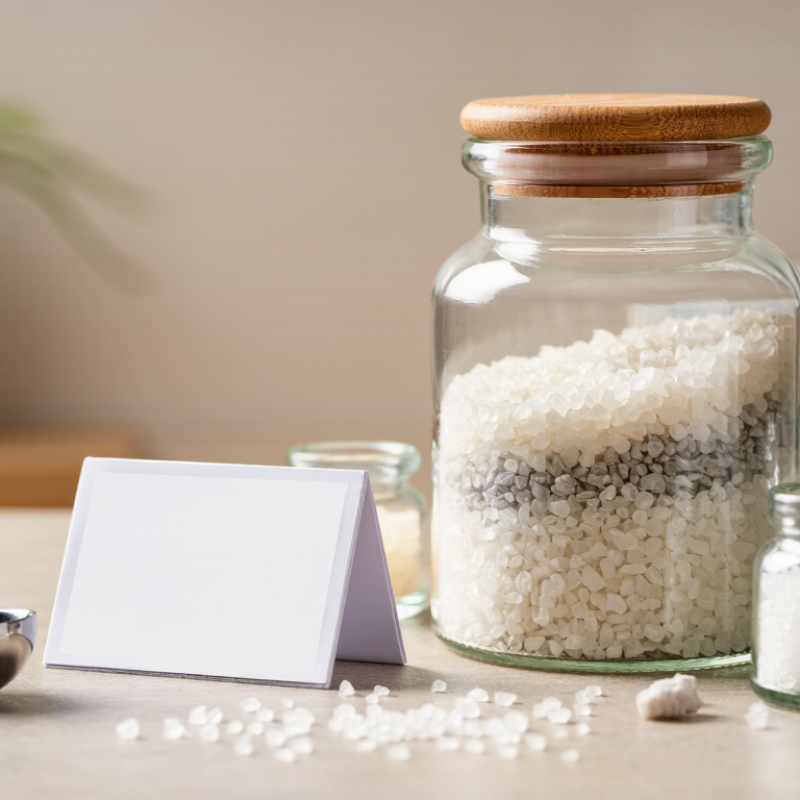
What Dead Sea Bath Salt Is and How Its Mineral Profile Varies
Dead Sea bath salt is evaporated mineral-rich water from the Dead Sea, not simply ordinary table salt. Its crystals can contain magnesium, potassium, calcium, sodium, and other minerals. The proportions vary with the water’s location, evaporation, and later processing. So two bags labeled “Dead Sea salt” may not feel or dissolve exactly alike. That matters.
Magnesium and potassium are often highlighted, but a product’s mineral profile should not be inferred from marketing language alone. Look for a clear ingredient list and, when available, a recent mineral analysis. Grain size also affects the bath: finer crystals dissolve quickly, while larger grains may need more time and stirring. Added fragrance or oils can change the experience and may not suit sensitive skin. Mineral content does not guarantee a particular skin benefit; evidence and individual responses vary.
Tips: Choose a product that names its source and lists any additives. Dissolve a small amount in warm water, then check how your skin responds before using more. Avoid very hot baths, and stop if irritation occurs. A label can be informative, but it is not a full quality assessment. I would also compare testing details when available; that extra step is easy to overlook.
Identify Your Skin Needs and Bathing Goals
Choosing Dead Sea bath salt in 2026 starts with your skin, not the longest mineral list. Does your skin often feel tight after bathing, or are you simply looking for a relaxing soak? Dry or sensitive skin may do better with a plain, fragrance-free product. Added scent can be pleasant, but it may bother reactive skin. It is easy to overread the label: more minerals do not automatically mean a better bath.
Set a clear bathing goal. For a quiet evening routine, choose a product that dissolves easily and has simple directions. If you want a brief soak after exercise, consider whether warm water and time to rest are what you actually need; salt is not a proven treatment for muscle or skin conditions. Keep expectations modest. A bath can feel soothing without changing the underlying cause of discomfort.
Check the ingredient list and follow the package directions, especially if you have sensitive skin. Use comfortably warm, not hot, water, and start with a short soak. Salt may sting on cuts or irritated areas. If your skin feels itchy or unusually dry afterward, rinse and skip the next bath. A small test on one area can help, though it cannot guarantee your whole body will react the same way. For a persistent skin condition, ask a qualified clinician before making salt baths part of your routine.
Compare Mineral Content, Purity, and Added Ingredients
How to Choose Dead Sea Bath Salt in 2026?
Mineral content matters more than a dramatic label. Dead Sea salts are typically rich in magnesium and potassium, while sodium chloride makes up a smaller share than in ordinary sea salt. Exact proportions vary with collection site and processing, so compare a batch-specific analysis rather than relying on “mineral-rich” wording. Proksch and colleagues studied a 5% magnesium-rich Dead Sea salt solution in 30 people with dry, atopic skin. After six weeks, they reported improvements in skin hydration and barrier function (International Journal of Dermatology, 2005). That is useful evidence, not proof that every bath product produces the same results. Keep expectations measured.
Purity deserves equal attention. Look for a certificate of analysis that identifies the mineral profile and tests for contaminants, plus a clear ingredient list. A clean, gray-white handful should dissolve without leaving unexpected grit or a strong perfume. Check the label closely. Added fragrance, dyes, and essential oils may bother sensitive skin; simpler formulas make reactions easier to trace. I still find “100% natural” less helpful than a named test and date. That distinction is easy to miss. If the supplier cannot explain its testing, choose a product with clearer documentation. Start with a short soak, rinse afterward, and stop if your skin stings or reddens.
Check Sourcing, Testing, Packaging, and Product Claims
Choosing Dead Sea bath salt in 2026 starts with a traceable source, not a dramatic label. Look for the collection region, producer contact details, and a clear ingredient list. “Dead Sea minerals” alone says little about processing or batch consistency. Check whether the seller can explain how each lot is assessed. Useful documentation should identify the batch and describe testing, such as mineral analysis and relevant contaminant screening. Results can vary by source. That matters.
Packaging matters because salt readily absorbs moisture. Choose a tightly sealed, sturdy container, and inspect the closure when it arrives. A resealable pouch can work, though it may be awkward near a wet tub. Store the salt away from steam. Avoid using it if the packaging is damaged or the product has an unusual odor or visible debris. Read claims carefully: a relaxing-bath claim describes an experience, not a proven treatment for a skin condition. Be cautious of promises to detoxify the body or cure pain. I would also compare the directions with the ingredient list; labels are not always as clear as they should be. If your skin is sensitive, try a small amount in bathwater first and stop if irritation occurs.
How to Choose Dead Sea Bath Salt in 2026
Check sourcing, testing, packaging, and product claims before you buy.
Use this checklist to compare product information: verify the stated origin and traceability; look for batch-specific test documentation; check that packaging identifies the contents and net quantity; and treat therapeutic claims cautiously. Bar values show the number of suggested checks in each category, not test results or a market survey.
Choose a Formula and Follow Safe Bathing Practices
How to Choose Dead Sea Bath Salt in 2026?
Choose a formula with clear ingredient and concentration details. Fragrance-free products may suit easily irritated skin better, though “natural” does not automatically mean gentle. Avoid products with undisclosed additives if you have known sensitivities. A short ingredient list helps, but it is not a guarantee.
Published evidence offers context, not a universal recipe. A 2005 clinical study in the International Journal of Dermatology examined a 5% magnesium-rich Dead Sea salt solution for dry, atopic skin. The findings suggested improved skin hydration and barrier measures. That small study does not establish the right concentration or bathing time for everyone. Follow the product directions rather than mixing a stronger bath yourself. Use warm, not hot, water; soak briefly, then rinse and apply a plain moisturizer. Skip salt baths on broken or freshly shaved skin. Stop if stinging or redness develops.
Tips: Try a small amount first, and keep the first soak short. Pat skin dry with a soft towel; don’t scrub away the salt. If you have a skin condition, ask a clinician before regular use. I would not assume a soothing first bath means repeated use will suit you.