2026 How to Choose the Best Aluminium Casting Mold for Your Needs?
Choosing the right Aluminium Casting Mold is crucial for any manufacturing process. The mold significantly impacts the quality and precision of the final product. With numerous options available, it can be overwhelming to make the right choice. Factors such as design complexity, material type, and production volume play a significant role in this decision.
Understanding your specific needs is essential. Consider the intricacies of your project. Are you producing small, detailed components or larger parts? Each requirement may steer you towards different mold types. Also, the choice of alloy can affect mold performance and durability. It's vital to balance quality with cost efficiency.
Reflecting on past experiences can guide your decision. What worked well in previous projects? Were there any issues worth noting? Learning from both successes and challenges will help you identify the ideal Aluminium Casting Mold that meets your unique needs. Taking the time to research and evaluate your options will lead to better outcomes and more efficient production processes.
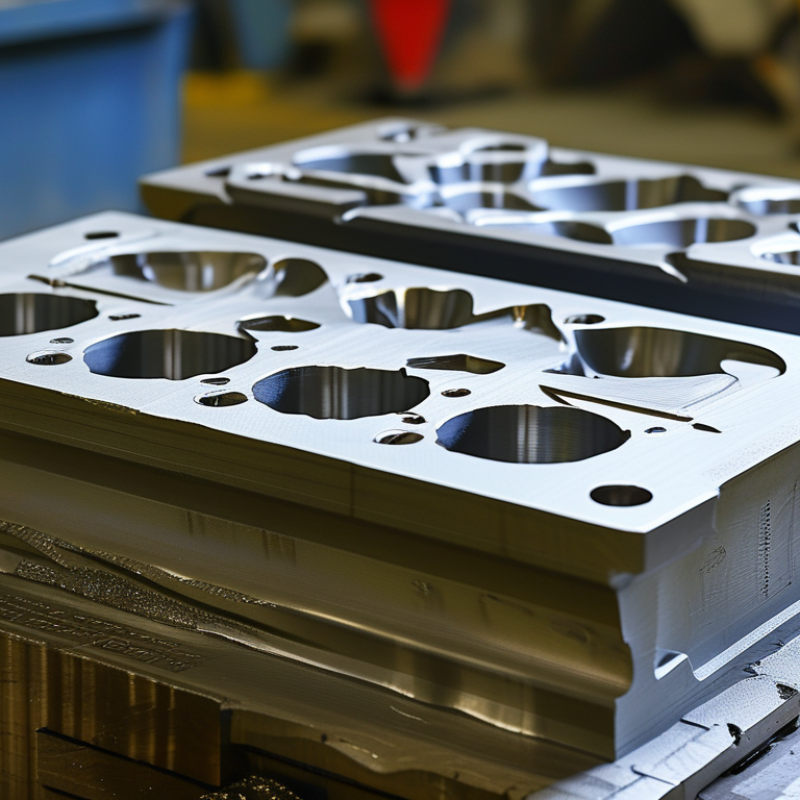
Understanding Aluminium Casting Molds: An Overview of Types
Aluminium casting molds have various types, each tailored for different applications. The most common types include sand molds, die-cast molds, and investment molds. Sand molds are popular for their flexibility and low cost, making them ideal for prototypes and small runs. According to a recent industry analysis, the global die-casting market is projected to grow by 7.8% annually, highlighting die-cast molds' efficiency in high-volume production.
Die-cast molds provide excellent dimensional accuracy and surface finish. They are suitable for complex designs but require higher initial investment. In contrast, investment casting molds offer superior surface quality and intricate detail levels. However, it is a slower process, which may lead to increased costs for smaller production levels.
Tip: Always consider your production scale and design complexity when choosing a mold type. Assess your budget and the materials you will use. Sometimes, refining your design can save costs and time in the long run. Remember, investing in a higher-quality mold can lead to better final products, justifying the initial increase in cost.
Aluminium Casting Mold Types Usage in Different Industries
Key Factors to Consider When Selecting Aluminium Casting Molds
Choosing the right aluminium casting mold can significantly impact your production process. Several key factors require consideration. First, assess the mold’s material. High-quality aluminum may resist corrosion better and improve lifespan. Think about the mold's design as well; complex shapes may require advanced techniques for optimal results.
Tip: Always evaluate your production volume. For smaller runs, less expensive molds may suffice. However, for larger volumes, investing in durable molds is wise.
Another factor is cooling time. Efficient cooling can enhance productivity. Shorter cooling times lead to quicker turnarounds, but may affect the casting's integrity. Adjust your standards based on the project's needs.
Tip: Monitor your molds regularly. Signs of wear can occur sooner than expected, impacting quality. Be proactive in replacing or repairing molds to maintain production efficiency.
In the end, ensuring alignment with your specific requirements is crucial. Reflect on each choice you make, as every detail can impact the final product.
Evaluating Quality: Materials and Design Features of Casting Molds
Choosing the right aluminum casting mold can significantly impact your production efficiency and output quality. Evaluating the materials and design features of casting molds is crucial. High-quality molds often use aluminum alloys like A356 and A380. These materials provide strength, durability, and excellent thermal conductivity. A recent industry report indicated that molds made from these specific alloys show a 20% increase in lifespan compared to lower-grade alternatives.
Design features also play a vital role. Look for molds with intricate cooling channels. Effective cooling can reduce cycle times by up to 15%, leading to faster production rates. Corrosion resistance is another important factor. According to research, molds coated with specialized finishes can withstand harsher conditions. This ensures longevity and consistent performance, avoiding the need for frequent replacements.
Tip: Always check the mold's surface finish. A smoother finish can reduce the likelihood of defects in the cast parts. Also, consider the weight of the mold. Heavier molds often signify better quality but may impact ease of handling.
Remember that imperfections can arise even in quality molds. Regular maintenance and inspections are key. Document any issues that occur during production. This can guide your future choices and prevent repetitive problems. Always strive for improvement and adapt your selection process based on specific project needs.
Budgeting for Your Aluminium Casting Mold: Price vs. Quality
When budgeting for an aluminium casting mold, understanding price versus quality is crucial. High-quality molds are often more expensive. However, choosing a cheaper option might lead to issues later. A low-cost mold can cause defects. This can waste both time and materials.
Many manufacturers have different quality standards. Investigate the reputation of suppliers. Read reviews and seek feedback from professionals. Even a small investment in a reliable mold can save costs down the line. Think about the longevity of the mold. A durable option can last years, unlike cheaper alternatives.
When assessing your budget, consider potential returns. A well-made mold enhances production efficiency. It also improves the final product's quality. Sometimes, splurging on a quality mold is wiser than pinching pennies. Weighing price against performance should be your guiding principle. Balancing these factors is essential for success in aluminium casting.
2026 How to Choose the Best Aluminium Casting Mold for Your Needs? - Budgeting for Your Aluminium Casting Mold: Price vs. Quality
| Mold Type | Material | Price Range (USD) | Durability Rating | Best Use Case |
| Die Casting Mold | Aluminum Alloy | $1,500 - $10,000 | High | Automotive Parts |
| Sand Casting Mold | Green Sand | $200 - $2,000 | Medium | General Engineering |
| Permanent Mold | Steel Alloy | $1,000 - $5,000 | Very High | High Volume Production |
| Investment Casting Mold | Ceramic | $1,000 - $8,000 | High | Aerospace Components |
Maintenance Tips for Longevity of Aluminium Casting Molds
Aluminium casting molds are crucial for various industrial applications. To ensure these molds last, proper maintenance is key. Regular inspection helps identify minor issues before they become significant problems. According to industry reports, mold maintenance can extend service life by up to 50%. This statistic underlines the importance of routine checks.
Cleaning the molds is essential. Residue from previous casts can affect future production quality. Using non-corrosive cleaning agents can help maintain the surface integrity. Additionally, applying a thin layer of lubrication after cleaning can prevent oxidation. Over time, neglecting lubrication can lead to wear and compromise performance.
Temperature control during casting is another vital factor. Excess heat can warp molds, leading to costly defects. Maintaining a consistent temperature can mitigate this risk. Mismanagement of temperature can result in instability, affecting casting precision. This highlights the need for constant monitoring and adjustments based on specific casting requirements.