Why Choose High Frequency Power Inverters at the 139th Canton Fair?
The 139th Canton Fair presents a unique opportunity for businesses seeking high frequency power inverters. This event, held from April 15 to May 5, 2026, showcases advanced manufacturing and electronics. High frequency power inverters are increasingly vital in this landscape. They offer efficient energy conversion and compact designs, crucial for modern applications.
Reports indicate that the global inverter market is projected to grow at a CAGR of 12.3% from 2021 to 2028. This growth demonstrates the rising demand for energy-efficient solutions. Businesses focusing on high frequency power inverters can leverage this trend for innovation. The fair’s emphasis on advanced materials aligns perfectly with the evolution of these technologies.
Despite the excitement, challenges remain. Buyers must verify supplier credentials, such as ISO and CE certifications, to avoid pitfalls. The integration of AI at the fair allows for efficient supplier identification. However, not all buyers may fully understand these new tools. They should engage with knowledgeable professionals to maximize their experience. High frequency power inverters hold significant promise, but businesses must navigate the complexities thoughtfully.
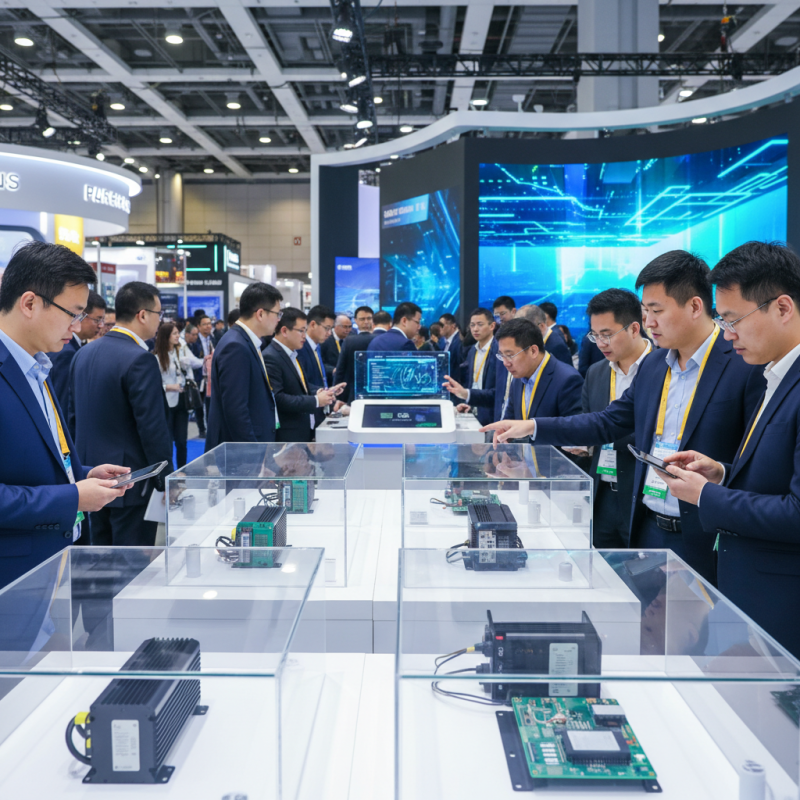
Benefits of High Frequency Power Inverters for Modern Applications
High frequency power inverters are essential for modern applications. They offer numerous advantages that make them a popular choice at trade shows, such as the Canton Fair. These devices are compact and lightweight, allowing for easier installation and transport. Their efficiency is notable, converting DC to AC power with minimal energy loss. In areas where space is limited, this feature offers significant flexibility.
Also, high frequency inverters operate quietly. This is ideal for settings where noise pollution is a concern, like residential areas or offices. Their thermal management capabilities prevent overheating, ensuring steady performance. Users often appreciate their lower maintenance needs compared to traditional inverters. However, some may find the initial costs higher. This can be a barrier for small businesses or startups.
Despite these challenges, the benefits often outweigh the drawbacks. The reliability of high frequency inverters in various applications makes them a wise investment. They are suited for renewable energy systems, like solar panels, which continue to grow in popularity. Overall, recognizing their value and potential can lead to smarter choices in power management and energy use.
Key Features of High Frequency Power Inverters at the Canton Fair
High frequency power inverters stand out at the 139th Canton Fair. Their efficiency is impressive. These devices convert DC to AC power with minimal energy loss. They deliver a stable voltage and frequency, which is crucial for many applications. Visitors can easily spot them due to their compact design.
The key features include lightweight construction and advanced technology. They often operate quietly, enhancing user comfort. Many models include smart monitoring systems. This provides real-time data on performance. Users appreciate getting instant feedback on energy usage. However, not all inverters are equal. Some cheaper models might lack reliability. It's essential to research before making a purchase.
Not every visitor may fully understand the benefits. Some may find the technical specifications overwhelming. Yet, engaging with knowledgeable vendors can bridge this gap. Attendees should ask questions and seek demonstrations. Many high frequency inverters offer unique functionalities, but not all will fit every need. Keeping an open mind can lead to surprising discoveries.
Why Choose High Frequency Power Inverters at the 139th Canton Fair?
| Feature | Benefits | Applications |
| Compact Size | Easy to transport and install | Home appliances, mobile power systems |
| High Efficiency | Reduces energy loss and operational costs | Industrial equipment, renewable energy systems |
| Advanced Safety Features | Protection against overvoltage and overheating | Medical devices, sensitive electronics |
| Wide Input Voltage Range | Versatile operation in different environments | Telecommunication, transportation |
| User-friendly Interface | Simplified monitoring and control | Home users, small business owners |
Comparative Analysis: High Frequency vs. Traditional Power Inverters
High frequency power inverters are gaining popularity. They differ significantly from traditional inverters. The key lies in their efficiency and size. High frequency inverters are lighter and more compact. This makes them easier to transport and install. Users often notice lower energy losses. This efficiency is crucial for many applications.
Traditional power inverters, while sturdy, tend to be bulkier. They can generate more heat, leading to cooling issues. Users might find them less efficient, especially over prolonged use. Moreover, the increased weight can make logistics challenging. High frequency inverters also have a faster response time. This can enhance overall system performance in various settings.
While the benefits are clear, one must consider personal needs. Not everyone requires high frequency technology. Some might prefer traditional inverters for specific tasks. Each technology has its strengths and weaknesses. It’s important to weigh these factors carefully before making a decision.
Market Trends and Demand for High Frequency Power Inverters
High frequency power inverters are gaining traction in today’s market. Recent data indicates a significant growth rate, projected at 5.8% annually until 2027. This surge correlates with the increasing demand for energy-efficient solutions across various industries. High frequency inverters offer advanced efficiency and compact design. These features make them appealing to manufacturers and consumers alike.
The rise in renewable energy sources is another driver. As solar and wind energy become more mainstream, the need for effective power conversion grows. Industry reports suggest that high frequency inverters can convert power with over 95% efficiency. This performance can reduce energy costs and improve reliability. In many cases, traditional inverters cannot keep up, leading to inefficiencies that businesses cannot afford.
However, the market does face challenges. Some users are still unfamiliar with high frequency technology. They may hesitate to switch from traditional models. Furthermore, awareness of their benefits is limited in certain regions. This gap presents a unique opportunity for education and growth. Addressing these issues could boost adoption rates significantly.
High Frequency Power Inverter Market Trends
This chart illustrates the growing demand for high frequency power inverters from 2020 to 2023, indicating a significant upward trend in sales over these years.
Innovative Technologies in High Frequency Power Inverters Showcased at the Fair
At the 139th Canton Fair, the spotlight shines on innovative technologies in high frequency power inverters. These devices are increasingly popular for their efficiency and compact design. They convert DC power to AC power effectively, making them ideal for various applications, including renewable energy systems and advanced electronics.
Many exhibitors showcase their latest models. Some units are lightweight and portable, ideal for outdoor activities. Others come with advanced features like smart monitoring and enhanced safety protocols. Observers noted some units lacked thorough descriptions. This might confuse potential buyers. It’s essential to clarify specifications to make informed decisions.
The dynamic environment of the fair reveals some limitations in current technologies. Not every product meets the highest standards. Some high frequency inverters have reported efficiency issues under heavy loads. This raises questions about long-term reliability. As these inverters evolve, continuous improvements must address these shortcomings for broader adoption.